Skip to content
Quarelia
  • Universes
  • Videos
  • Oddities
  • Search
  • About
  • FR
  • EN

Archive

Every why

From newest to oldest.

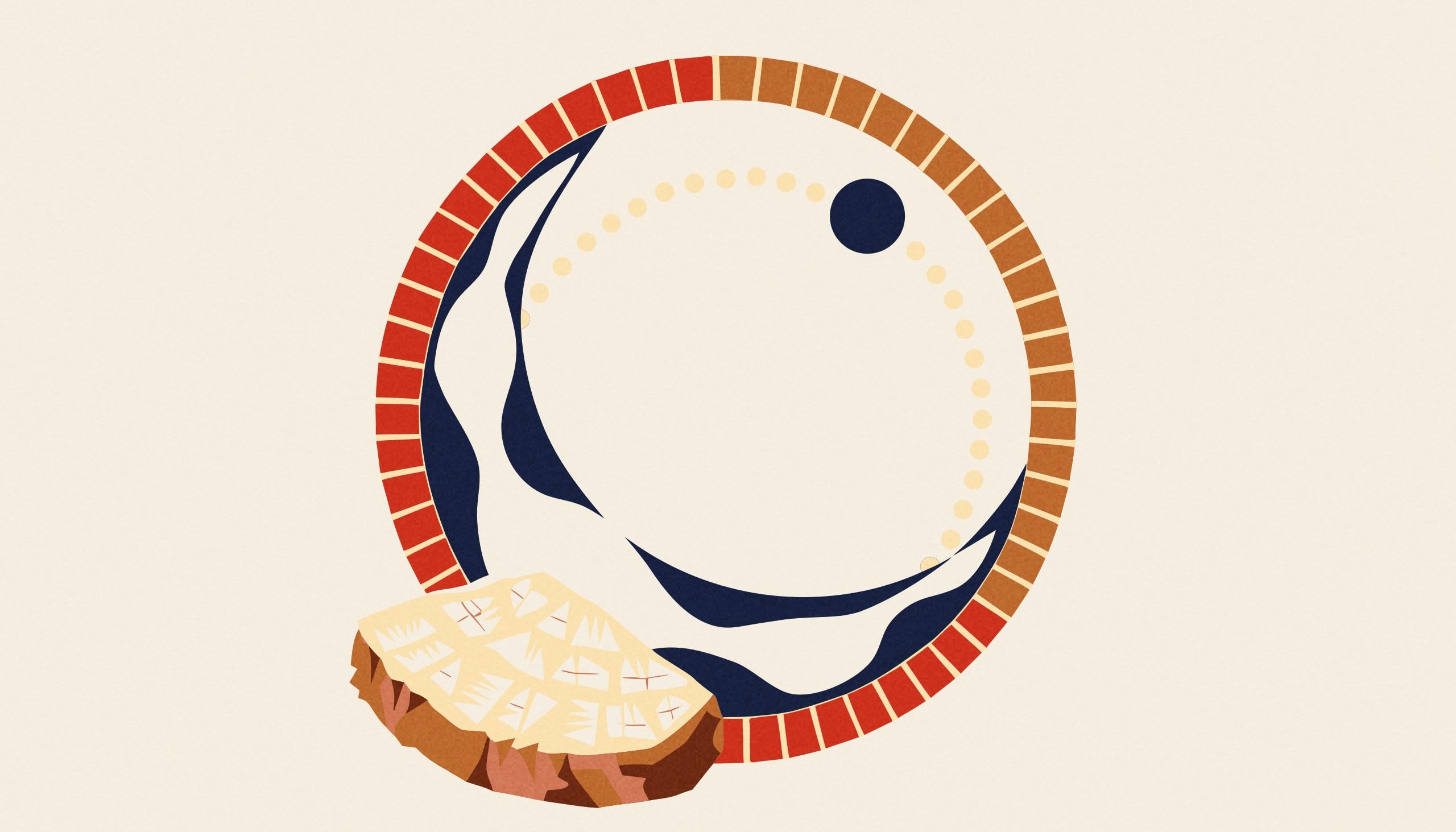
A large circle whose rim is split into small even notches, like an ancient sundial, in terracotta and gold on cream; a navy Sun marker moves one notch forward, with a cuneiform clay tablet beneath.
Chroneve

Why does a circle have 360 degrees?

Not 100, not 400, not a round figure from our decimal system. The way we split the circle comes from a people who counted on their fingers in a curious way.
AllAnimalsSky & spaceBody & brainHistory & origins
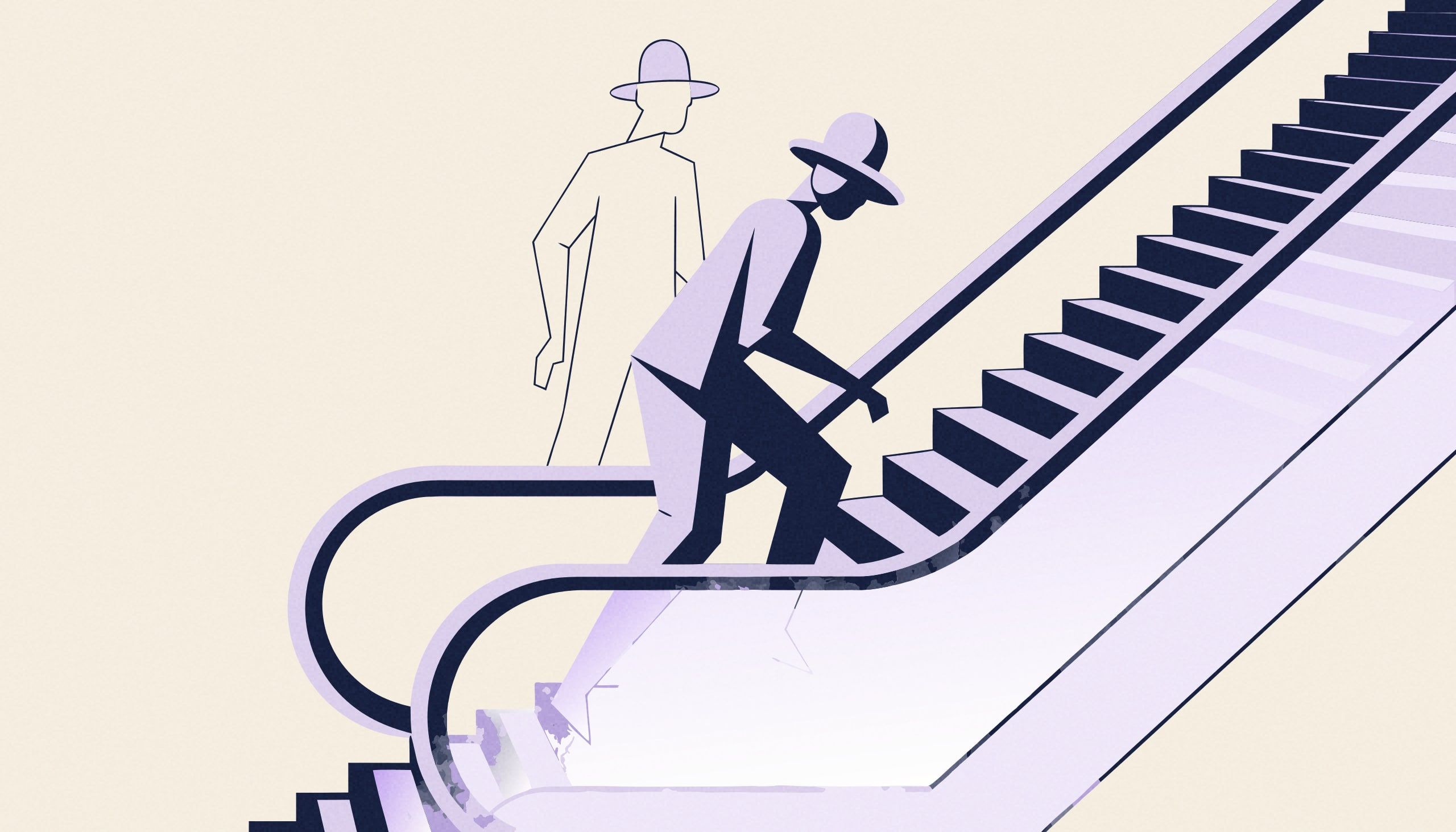
A still escalator seen from the side, its steps and handrail drawn in flat lavender shapes, climbing diagonally across the frame.
Lumera

Why do you stumble on a stopped escalator?

You know the escalator is broken. You see it standing still. And yet your foot lurches forward on its own. That little wobble has had a name since the 1990s.

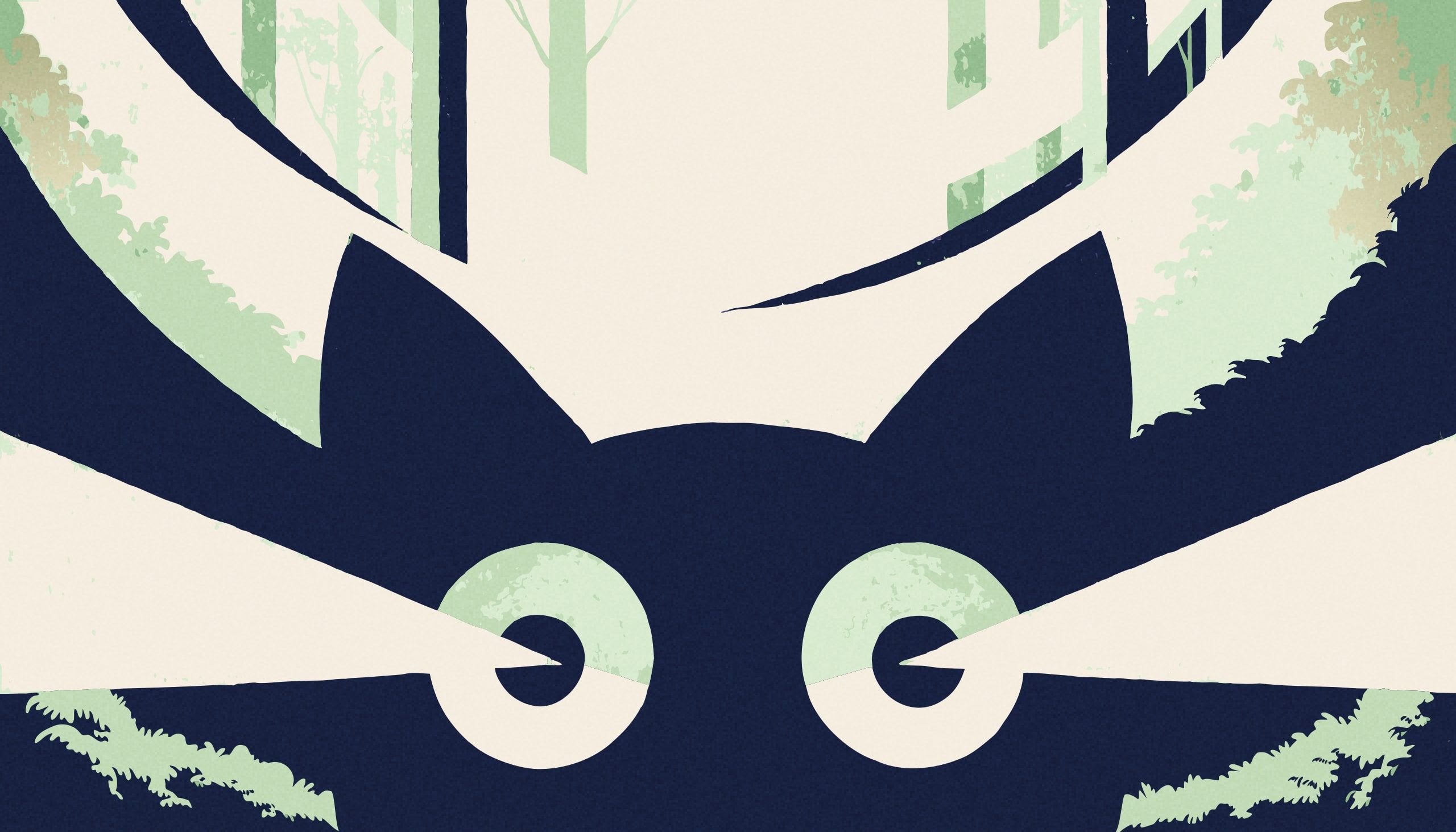
A stylised cat's head emerges from the gloom of a forest; its two big round eyes glow green and bounce the beam of light striking them back toward us.
Sylvora

Why do cats' eyes glow in the dark?

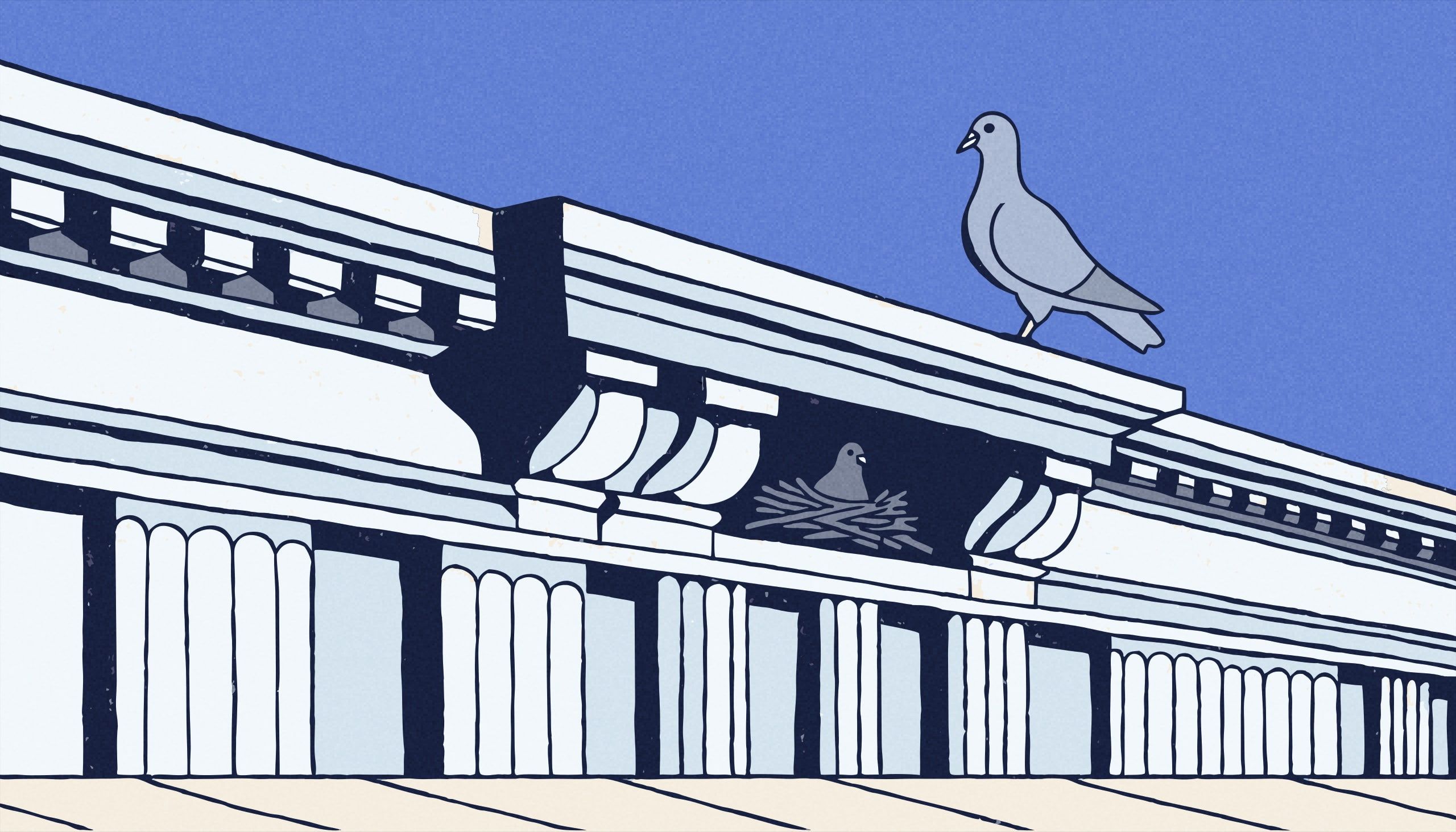
Pigeons nest high up, in nooks inherited from their cliff-dwelling ancestors; their young grow there for close to a month and leave almost fully grown.
Plumaire

Why do we never see baby pigeons?

You pass young pigeons every week without knowing it. The reason comes down to a cliff-side nest and a few weeks of patience.

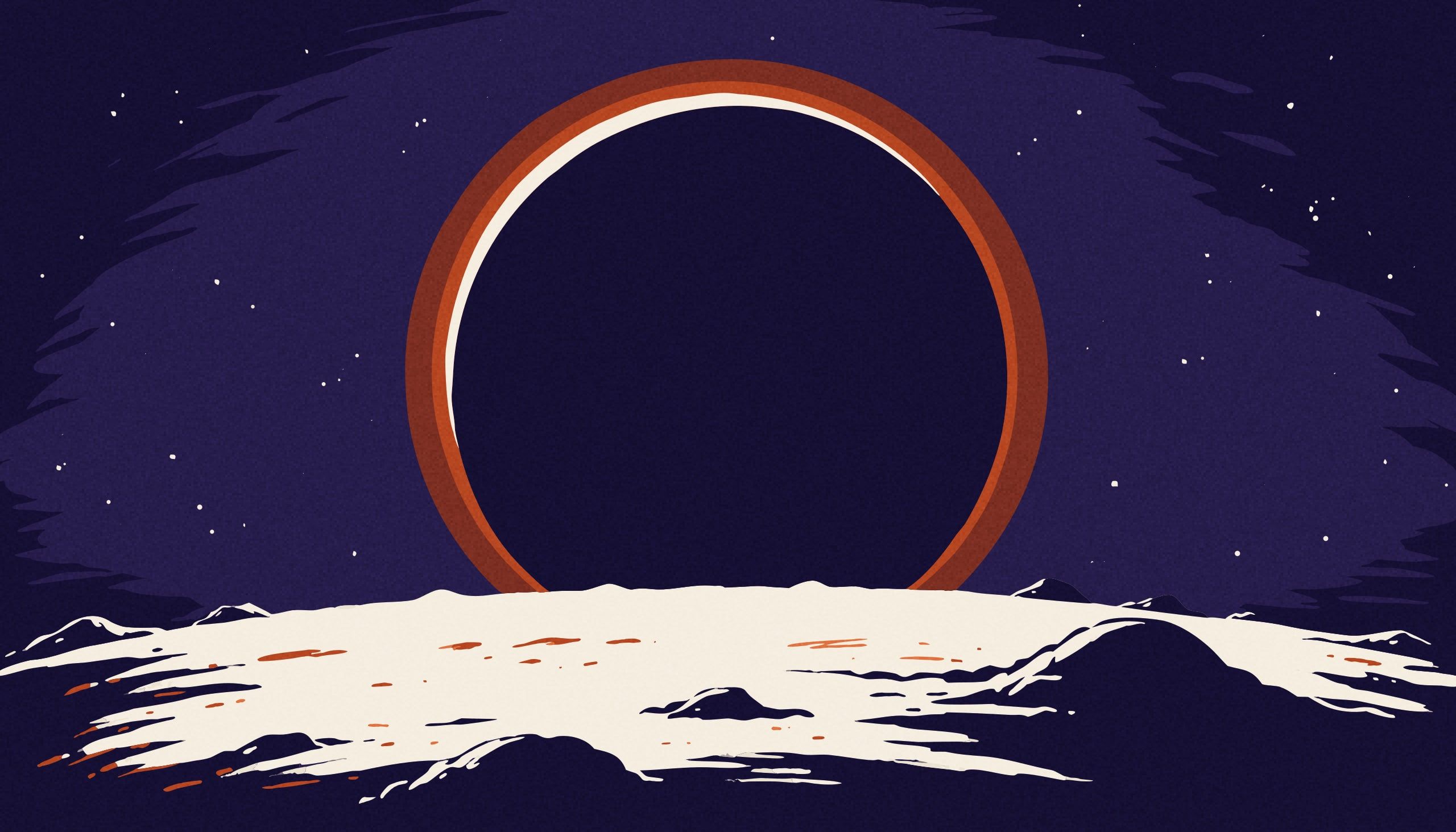
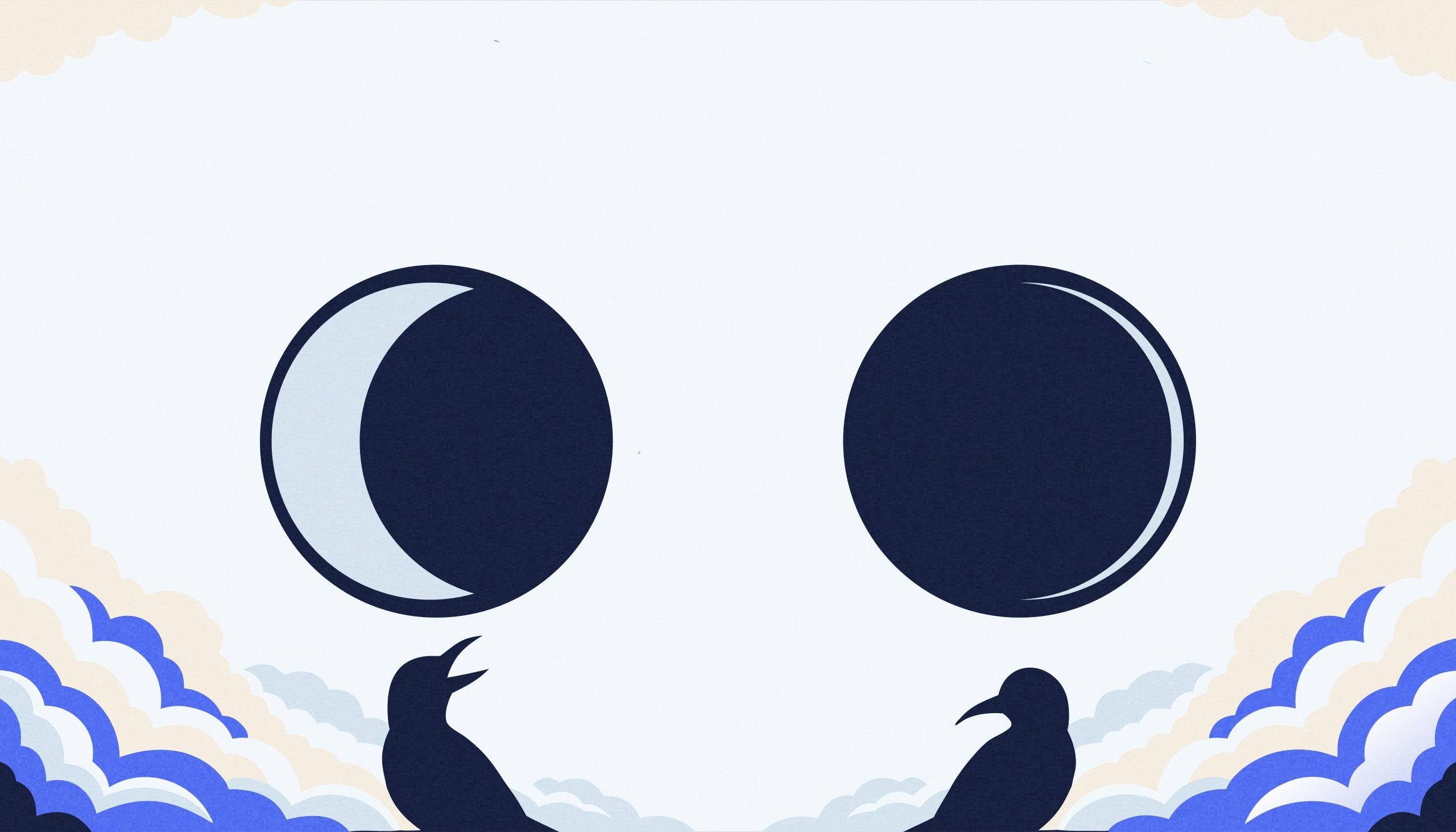
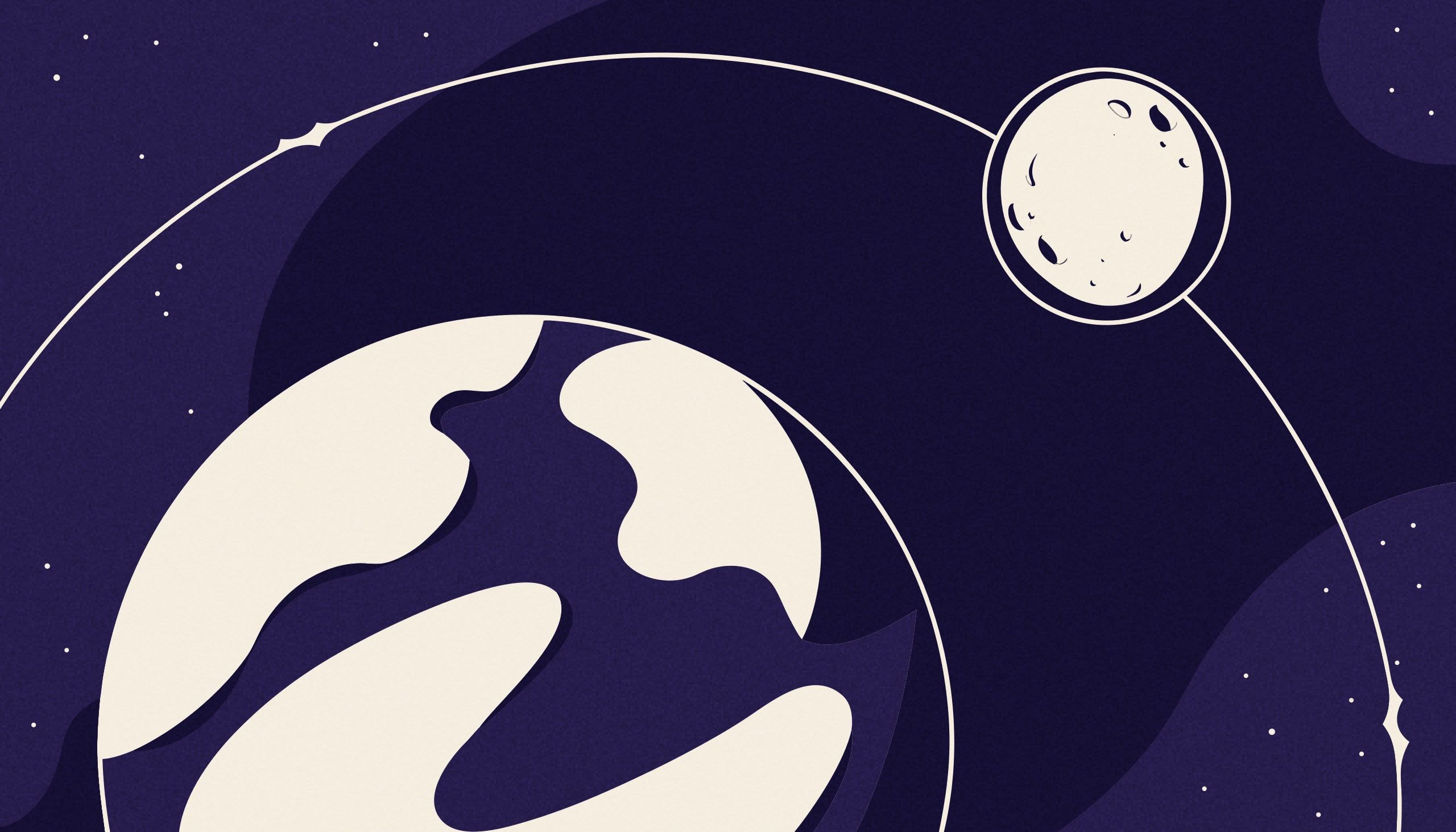
Locked by the same force that lifts our tides, the Moon turns once per orbit and keeps the same face forever toward Earth.
Cosmira

Why does the Moon always show the same face?

We often think the Moon doesn't spin. It's the opposite: if it didn't spin, that's precisely when we'd see all of its faces.

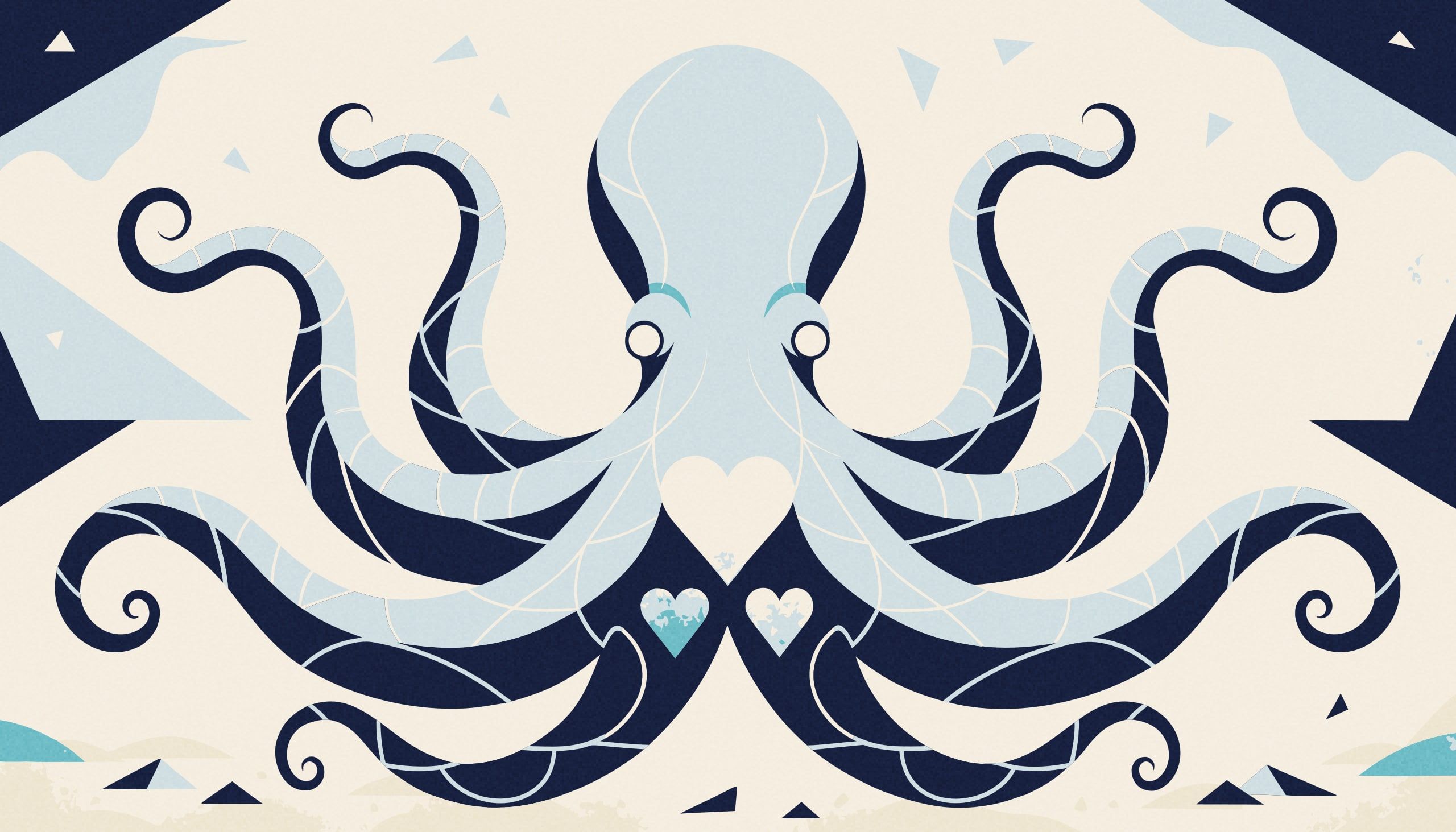
Three hearts and copper instead of iron: the octopus is built for cold water, and its blue blood flows under the sea.
Corallis

Why do octopuses have three hearts and blue blood?

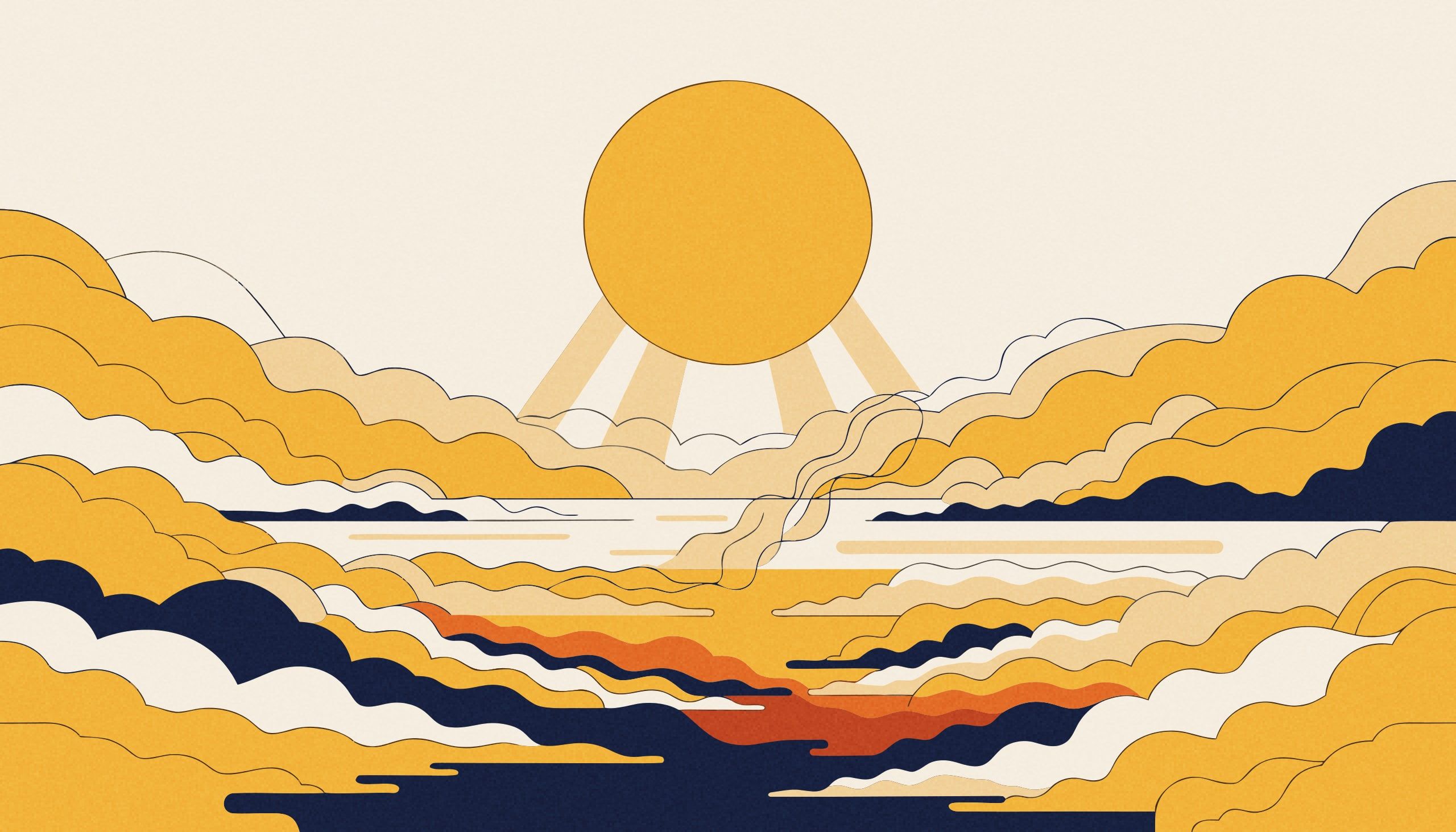
A large amber sun dominates a cream sky; below, hills in warm flat tones where the deepest heat pools right at the bottom, offset from the Sun.
Evelie

Why isn't the longest day the hottest?

The longest day falls on 21 June, but the hottest comes in late July. The same lag that makes four in the afternoon hotter than noon, stretched across a whole summer.

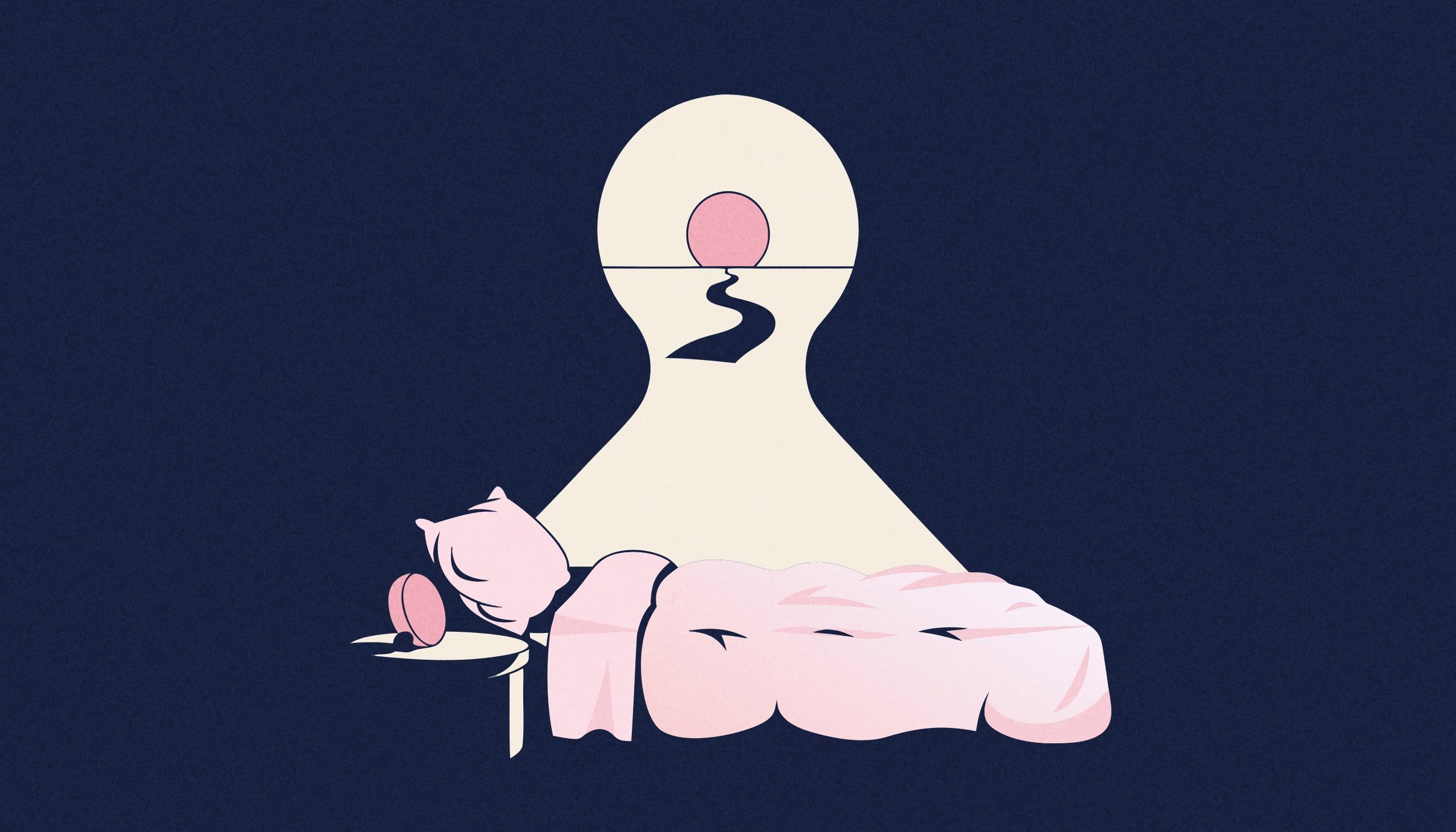
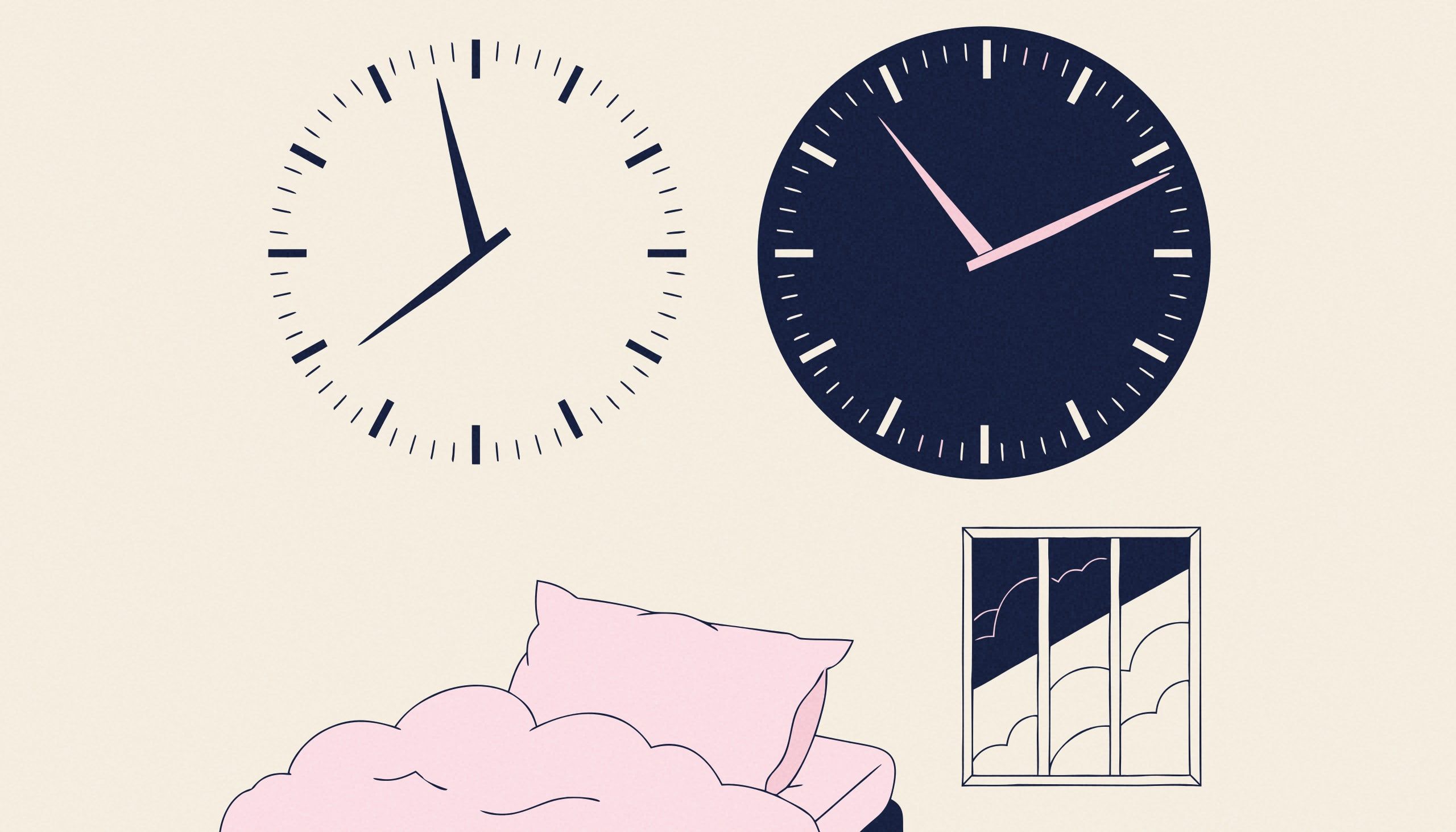
At puberty the body clock shifts by hours: a teenager's sleep signal arrives late, then asks for a long morning to catch up.
Tendrille

Why do teenagers sleep so much?

Waking a teenager is a battle. Not from laziness: at puberty their body clock slides two hours late, and school refuses to follow.

On n'y avait jamais pensé
Evelie

Why do we clink glasses before drinking?

Nature · Animaux
Sylvora

Why do cats purr?

For ages, people hunted for the source of that rumble: they suspected the blood, a hidden organ. The real source sits in a throat smaller than a walnut.

Sciences · Corps · Tech
Lumera

Why does a voice assistant struggle to truly understand?

Because understanding human language takes far more than recognizing words: it requires grasping context, intent, and implied meaning, something today's machines still can't do the way a brain does.

On n'y avait jamais pensé
Evelie

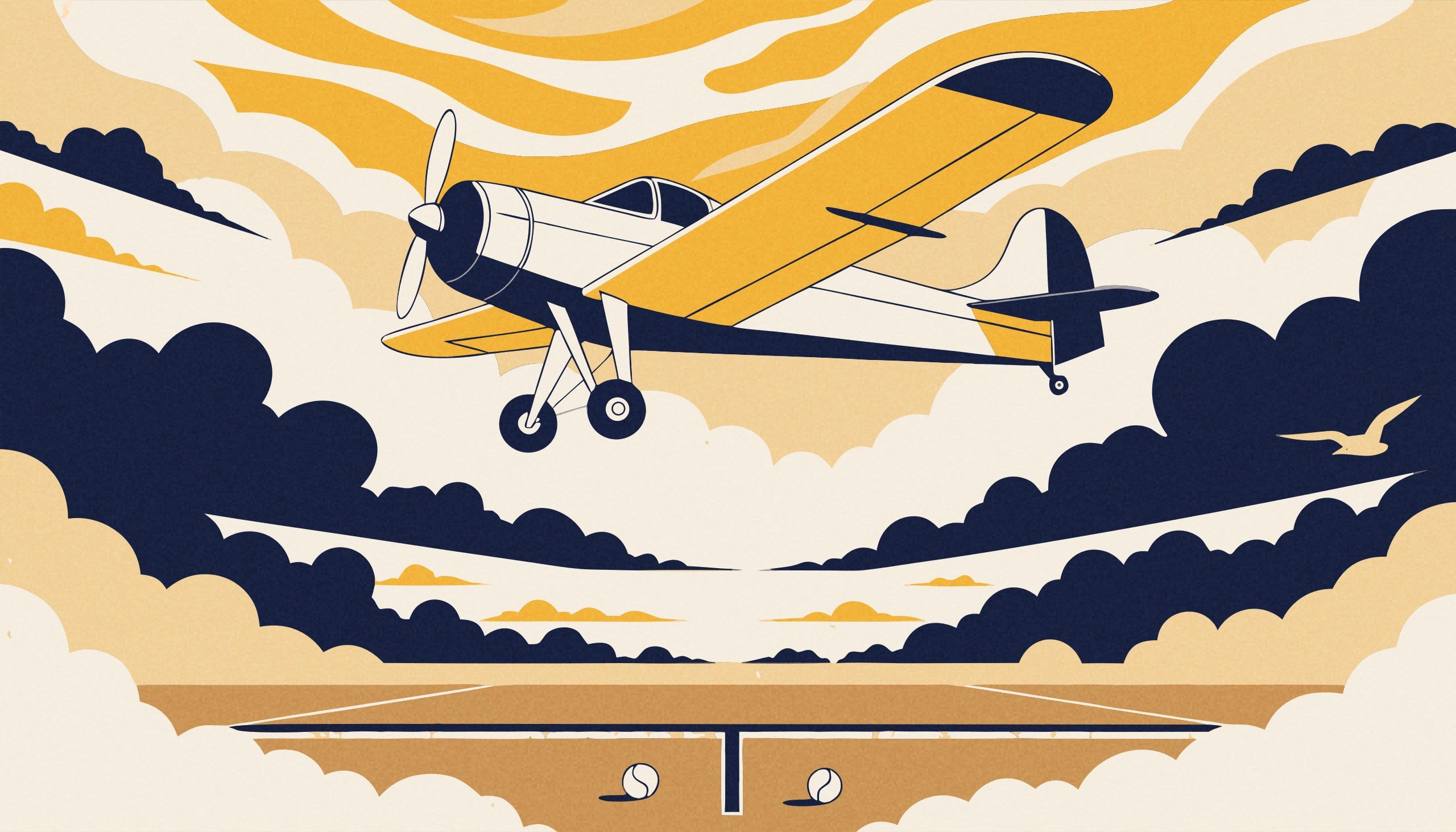
Why is Roland-Garros named after a pilot?

Histoire · Temps
Chroneve

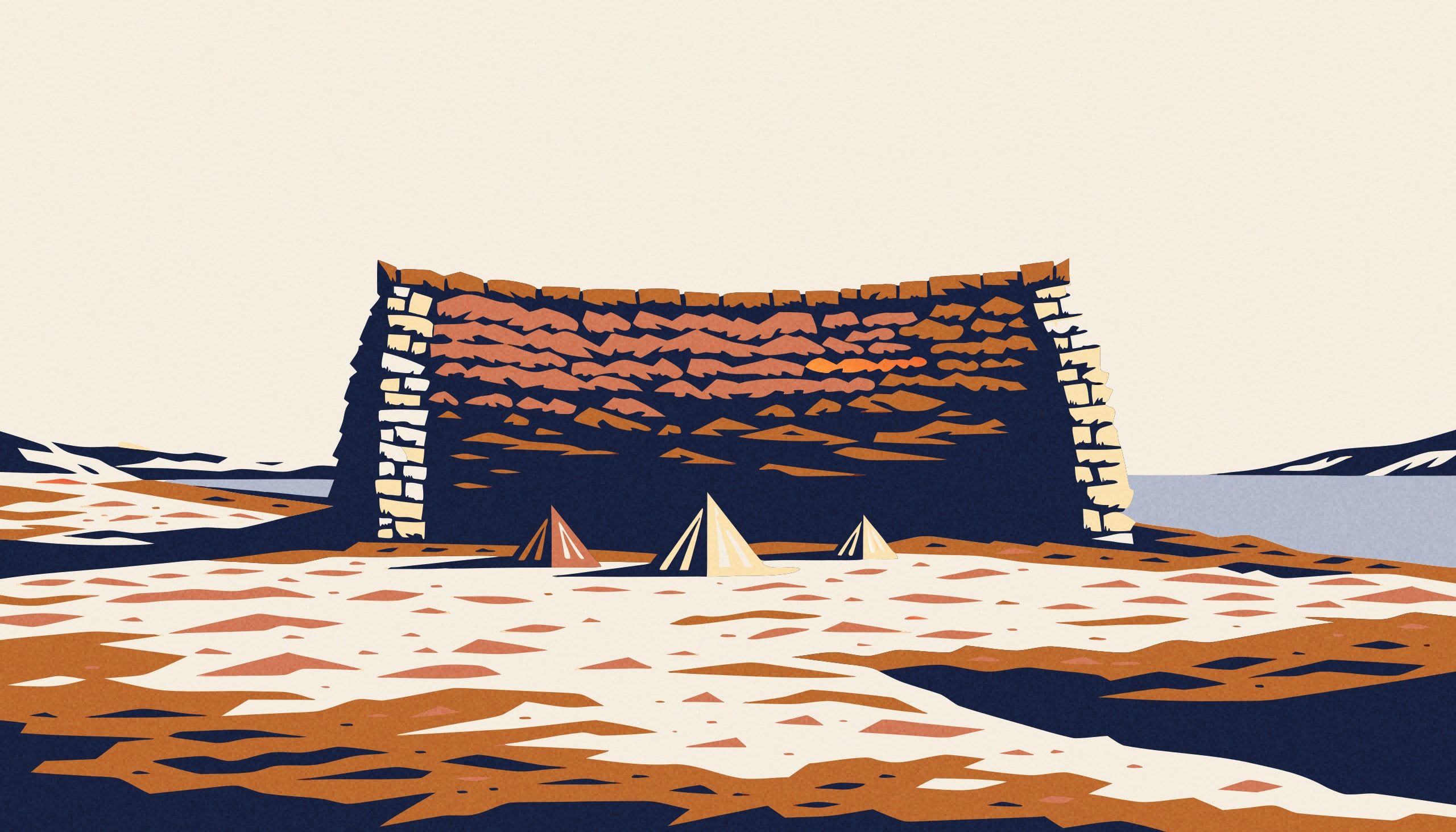
Why did the Vikings reach America nearly 500 years before Christopher Columbus?

Because the Vikings sailed westward in stages (Norway, Iceland, Greenland, then America), guided by currents, prevailing winds, and oral knowledge, long before Columbus charted his course.

Enfants · Famille
Tendrille

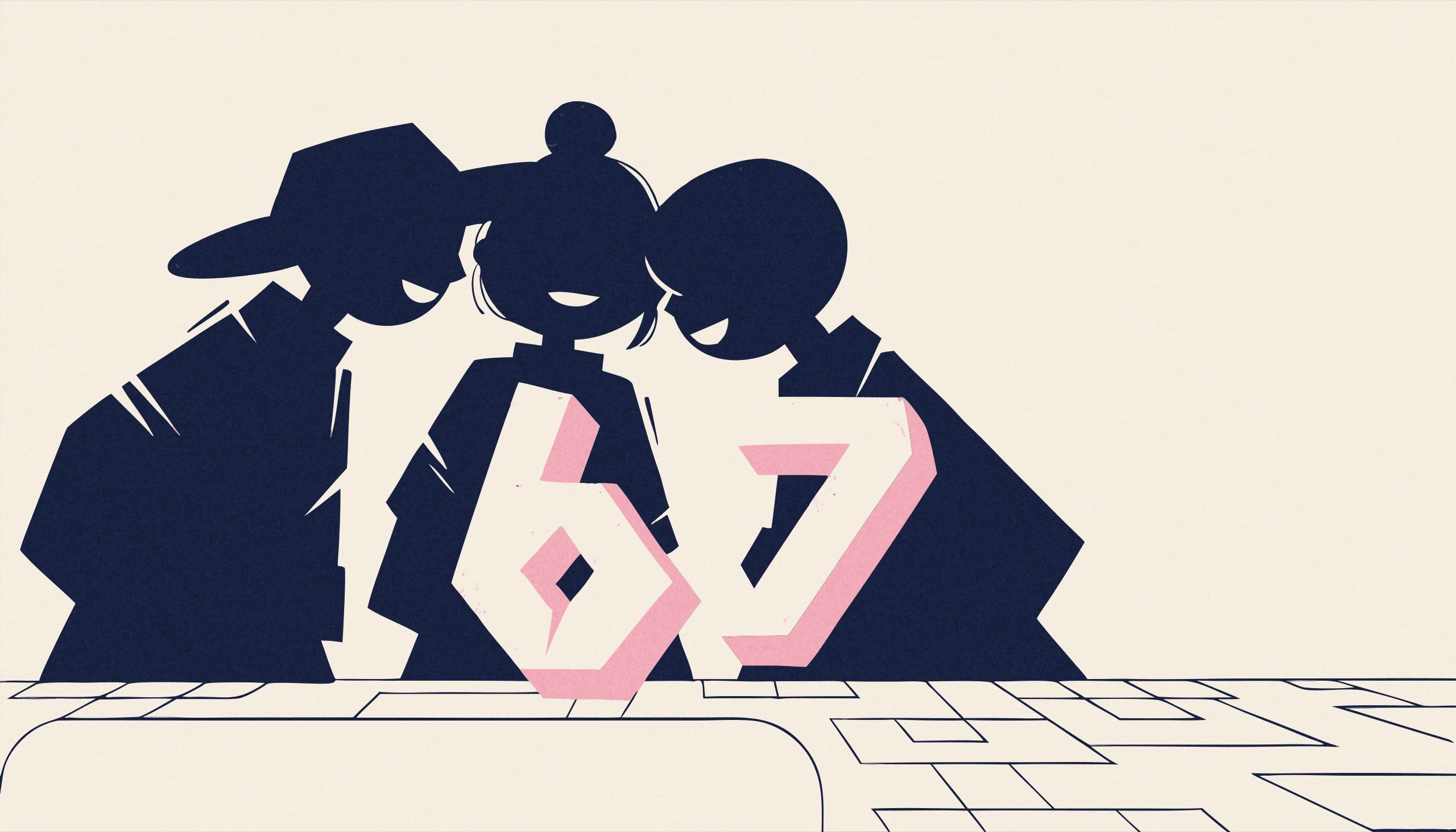
Why are kids everywhere saying “6-7” right now?

The phrase every kid keeps repeating means absolutely nothing. That's exactly what makes it spread, and what earned it a dictionary's word of the year.

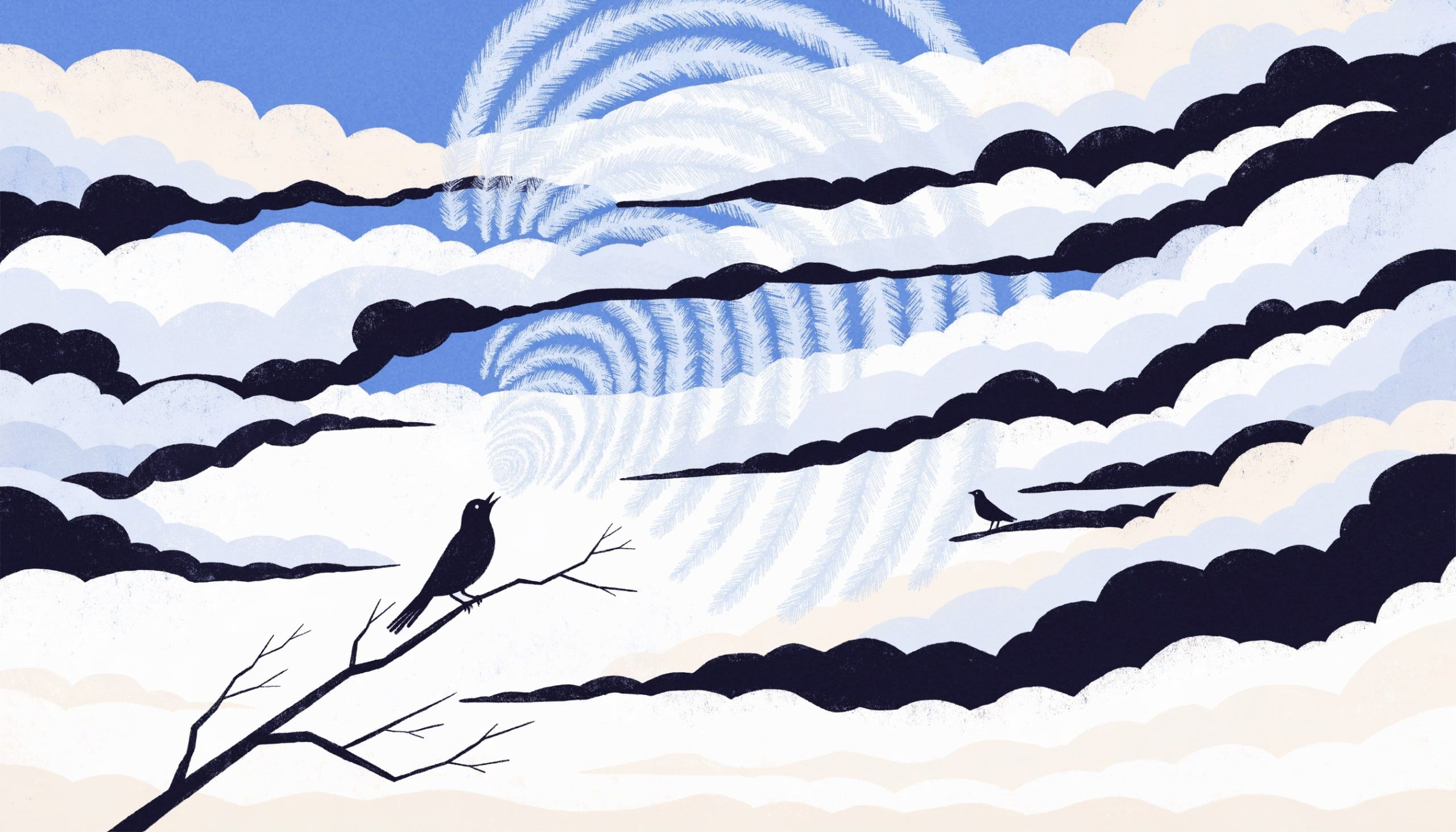
At dawn the air is still, sound carries far, the light is too thin for hunting: the best moment to advertise that you're alive and in good shape.
Plumaire

Why do birds sing at dawn?

Eyes follow the words, but somewhere in the head, a voice speaks them. Not for everyone: a meaningful share of people read in complete silence, and they often only realise it when they discover others don't.
Lumera

Why do we hear an inner voice when we read?

Because most brains automatically convert written text into inner speech: a leftover from learning to read aloud. But a meaningful share of the population hears nothing at all when they read; it's called anendophasia.

Edison wanted 'Hello'. Bell wanted 'Ahoy'. One of them won, and the word travelled the world, reaching French as 'allô'.
Evelie

Why do we say "hello" when we pick up the phone?

Because Edison pushed "Hello" as the standard greeting, against the "Ahoy" Bell preferred. The word spread through the first telephone companies, and most languages built their own greeting around it. French turned it into "allô".

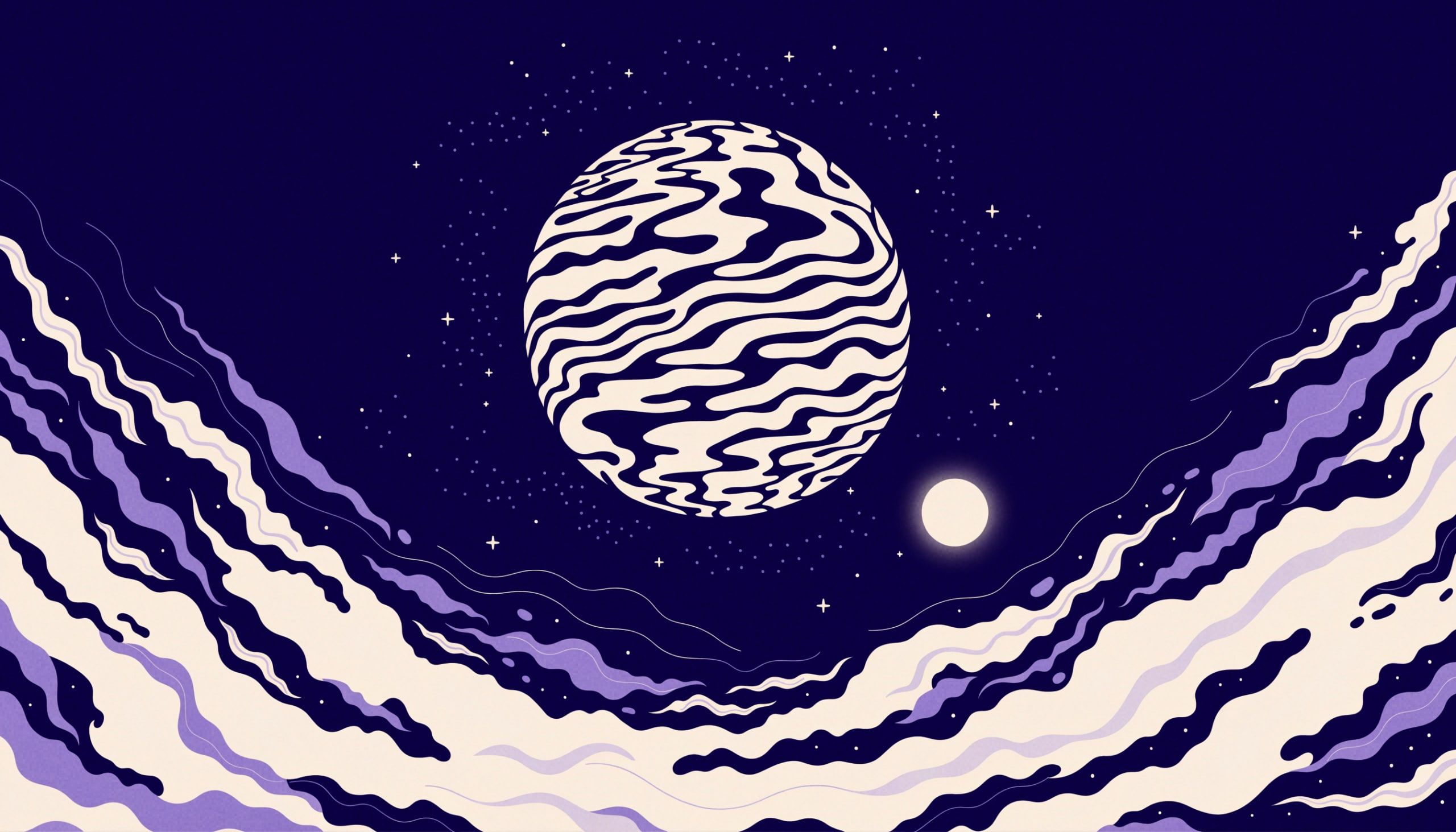
Past a certain size, gravity crushes every bump back toward the centre. A sphere is what a massive body always ends up becoming.
Cosmira

Why are planets round?

At France's National Assembly in 1789, supporters of the king sat to the right of the chair, the revolutionaries to the left. The word stuck.
Chroneve

Why do we talk about "left" and "right" in politics?

Because at France's National Assembly in 1789, the king's supporters sat to the right of the presiding officer and the revolutionaries to the left, and the word outlived the chambers and regimes that gave rise to it.

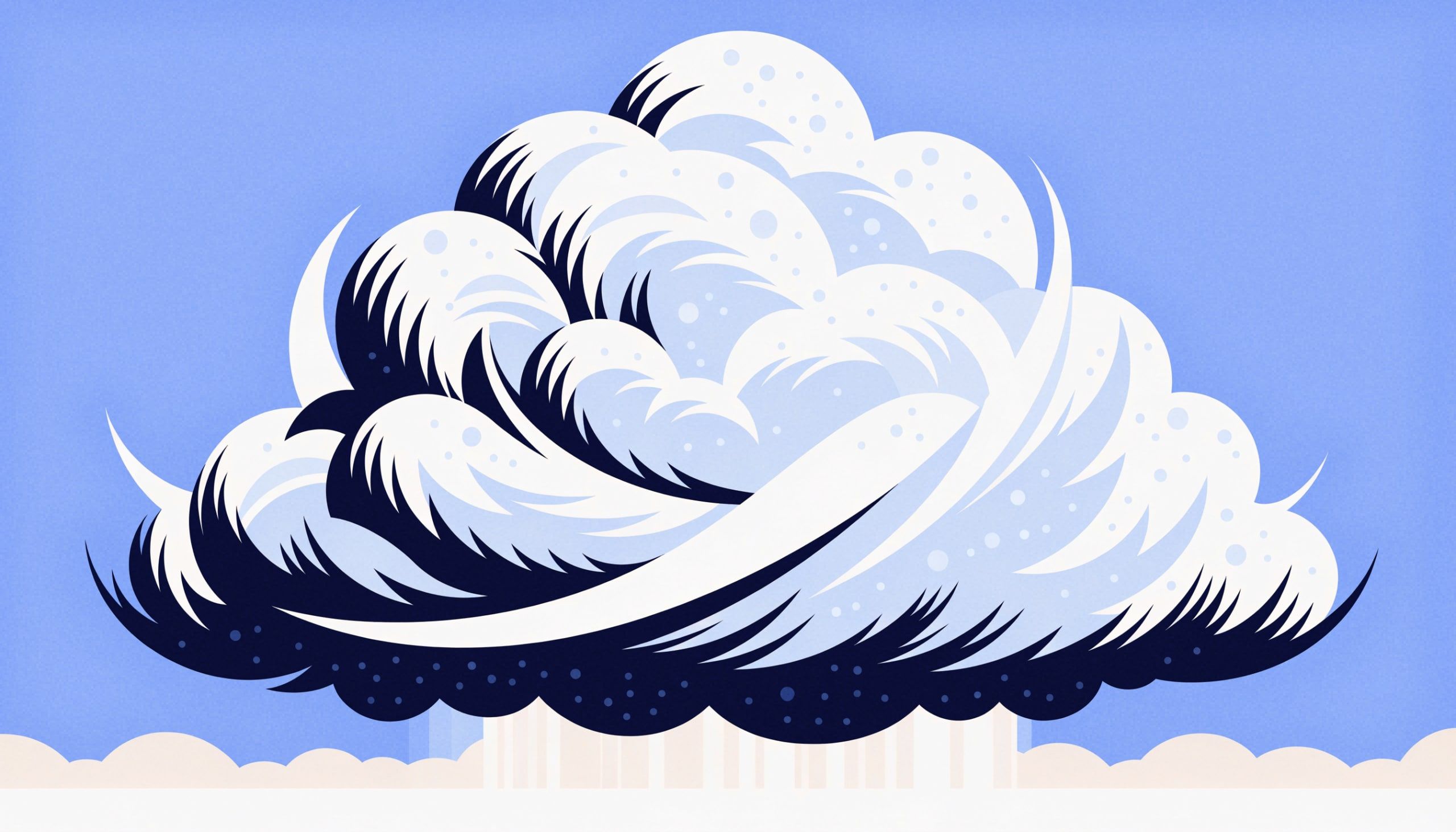
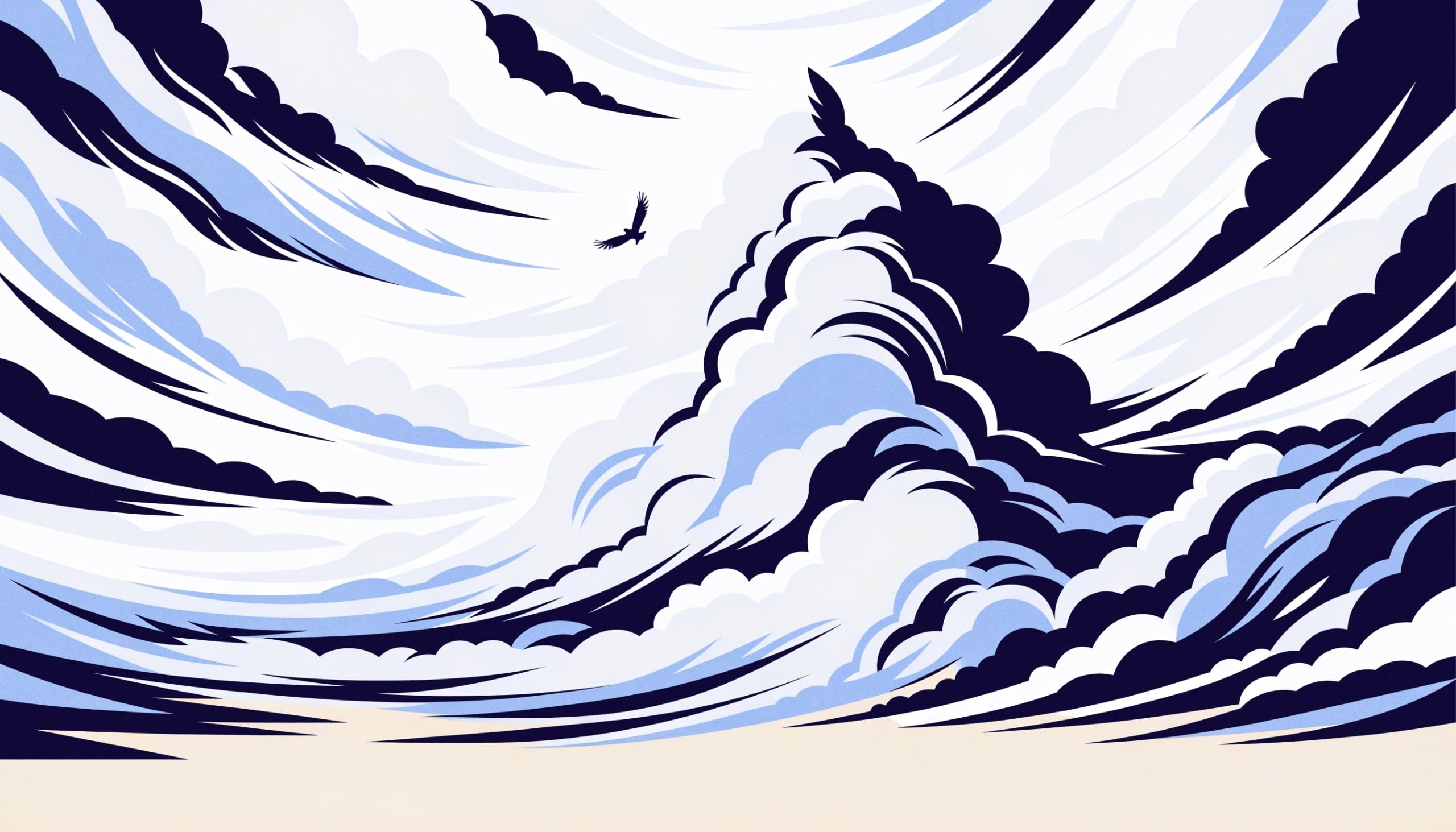
Droplets so small they fall almost infinitely slowly: a faint upward breath is enough to hold them.
Plumaire

Why do clouds stay up?

Because they are made of droplets so small they fall almost infinitely slowly: a faint upward breath of air is enough to hold them up, despite the hundreds of tonnes of water inside.

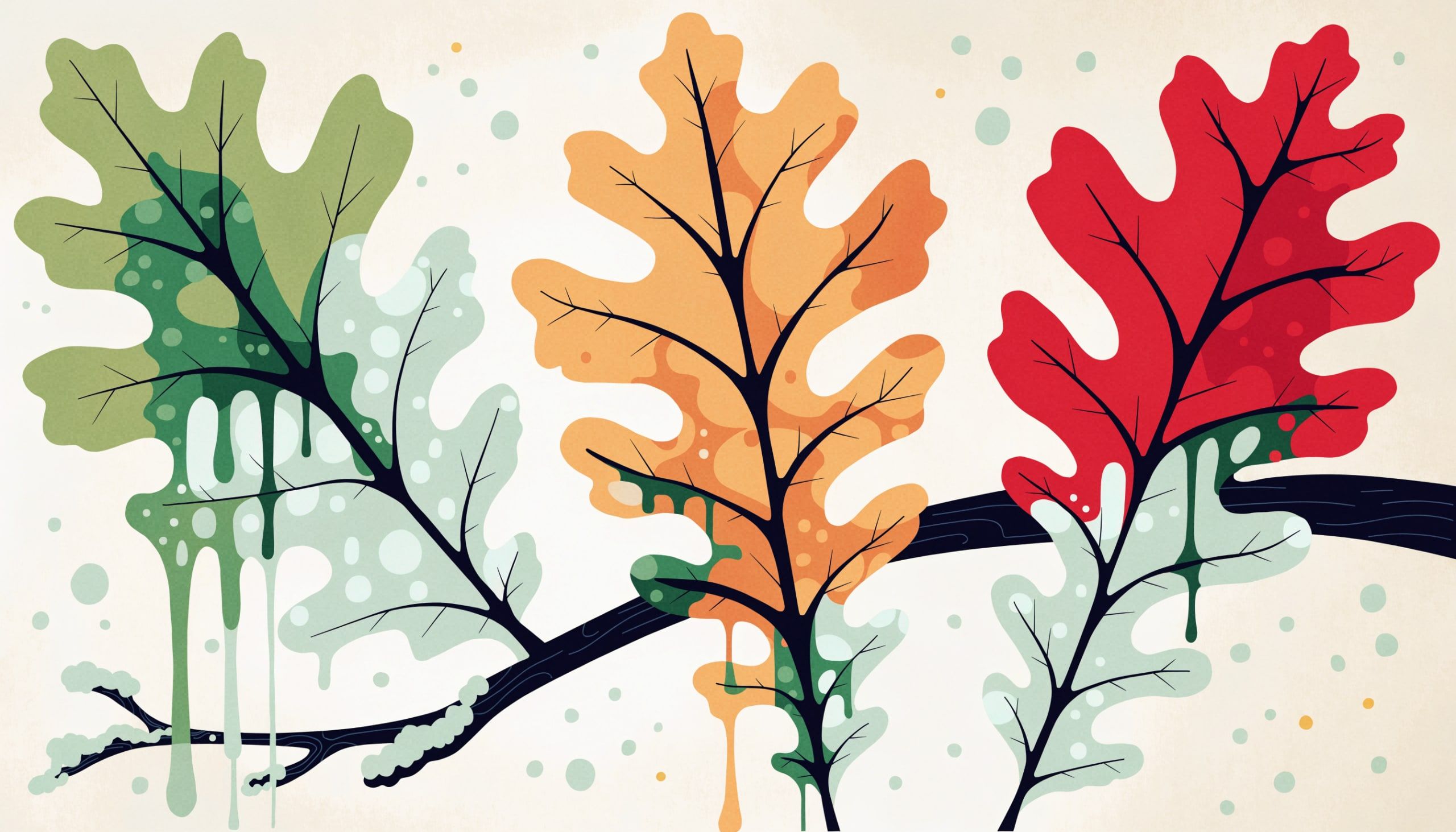
When the tree shuts down its chlorophyll, the yellows it had been hiding finally show, and a few species build a brand-new red before the leaf falls.
Sylvora

Why do leaves turn red in autumn?

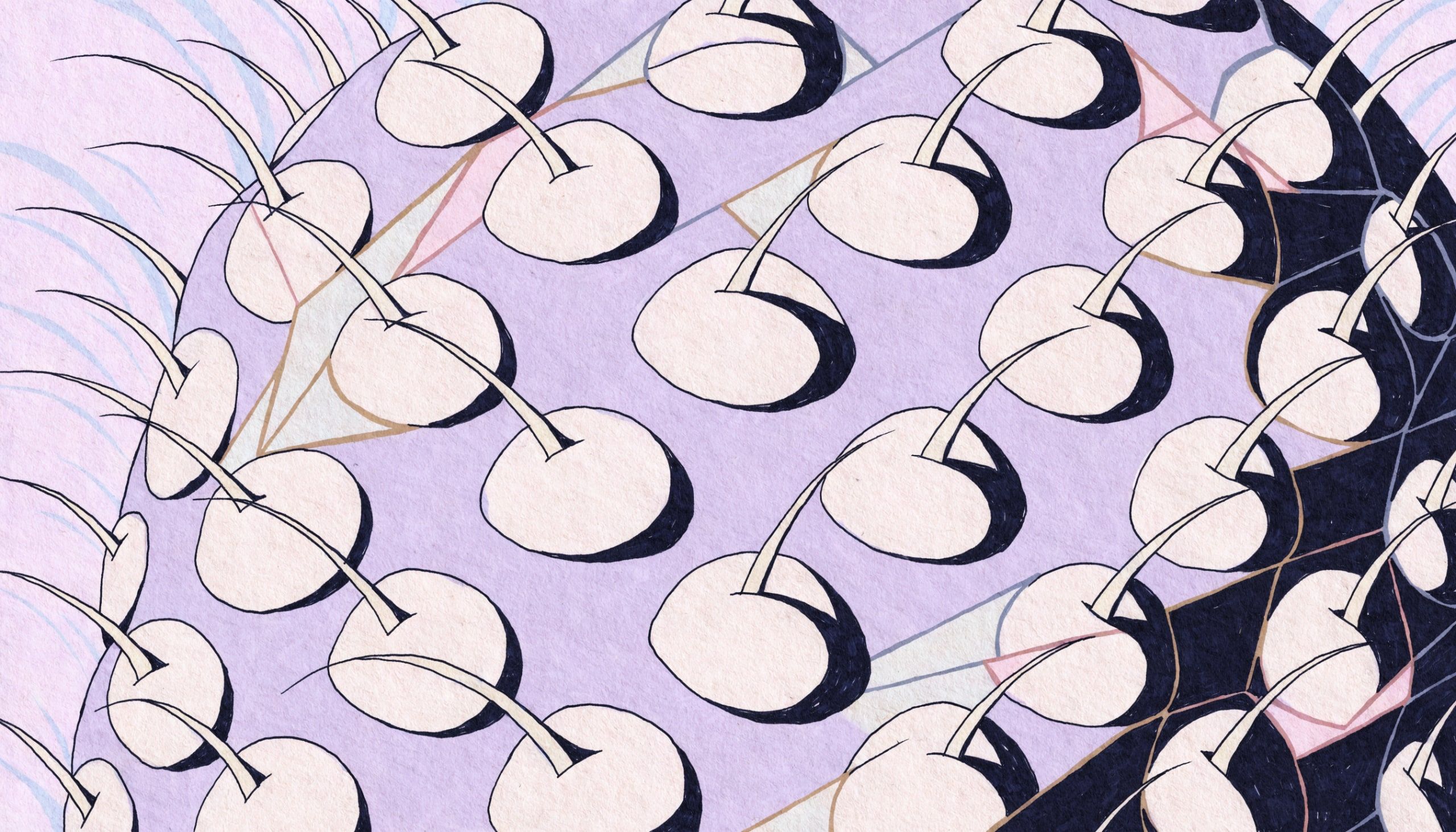
A reflex left over from a coat we no longer have. In the cold or under strong feeling, every hair gets pulled upright.
Lumera

Why do we get goosebumps?

Because we inherited a reflex built for a coat of fur we no longer have. Each hair is still hooked to a tiny muscle that yanks it upright in cold or under strong emotion: a leftover from when that actually did something.

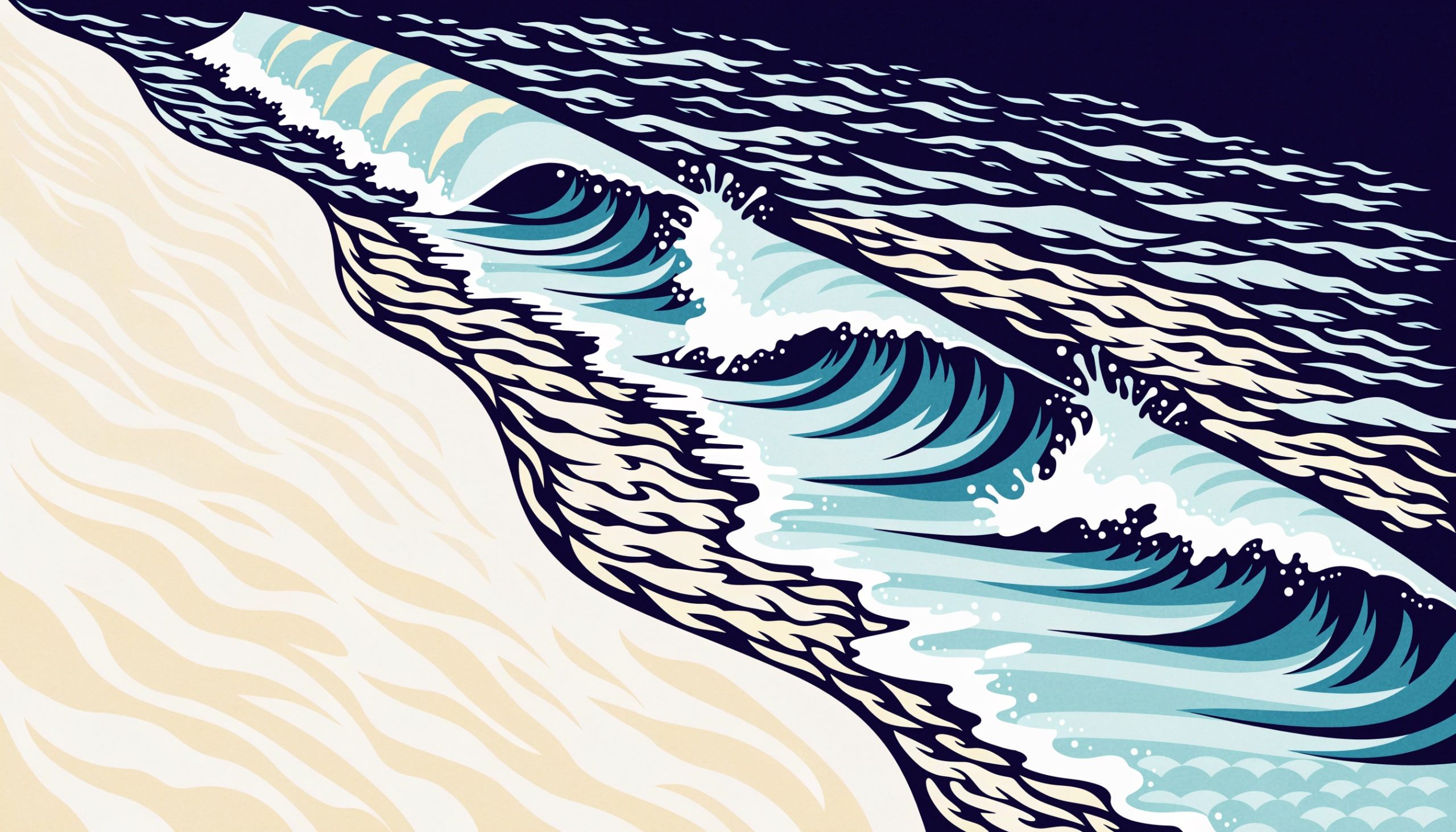
As a wave moves into shallow water it slows down. Arriving at an angle, one end brakes before the other, the wave pivots and ends up facing the beach.
Corallis

Why do waves always arrive parallel to the shore?

Because as a wave moves into shallow water it slows down. If it arrives at an angle, one end brakes before the other, the wave pivots and ends up facing the beach.

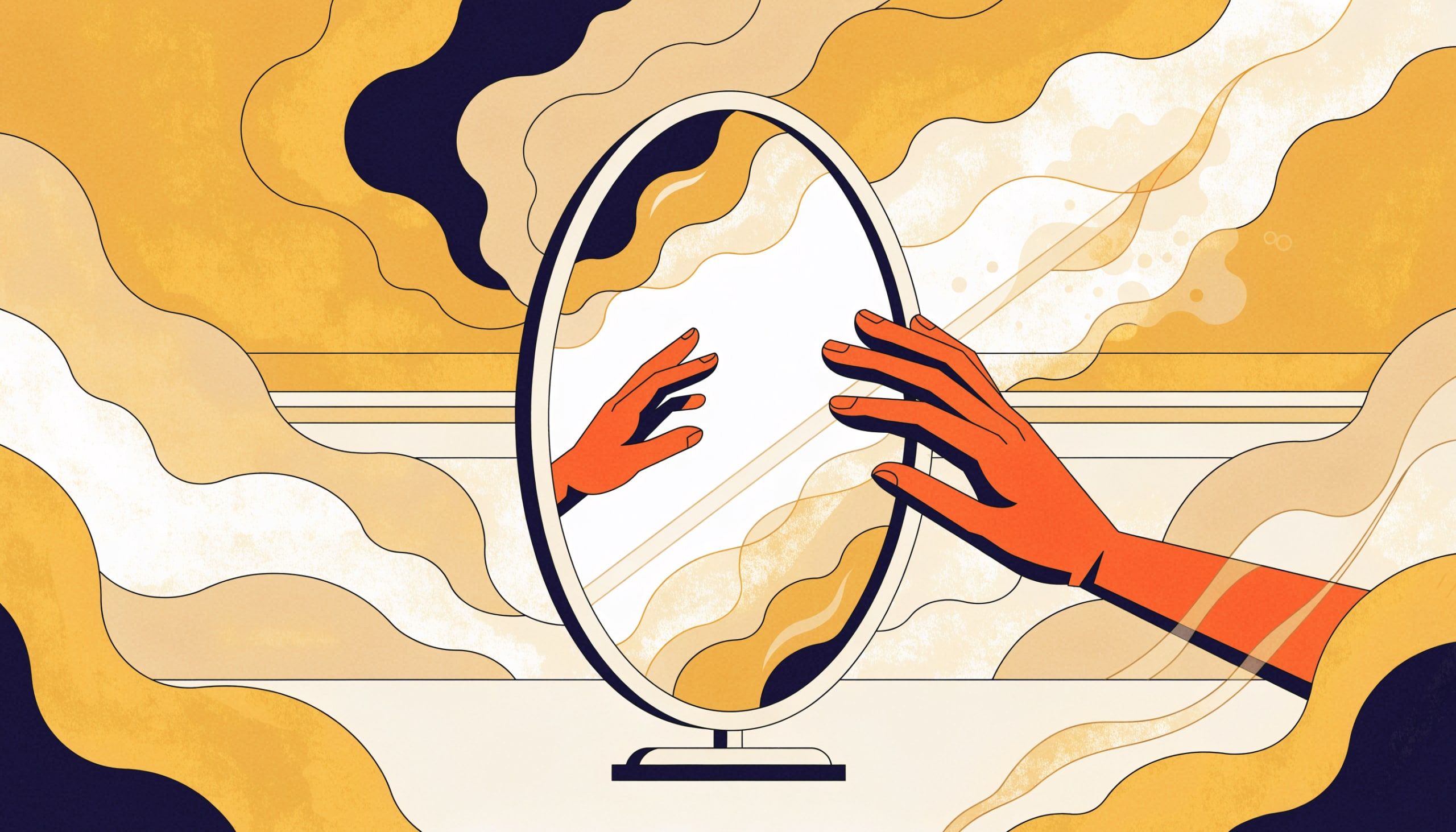
The mirror does nothing: our brain invents the reversal. A visual metaphor, not an optics diagram.
Evelie

Why do mirrors flip left and right but not up and down?

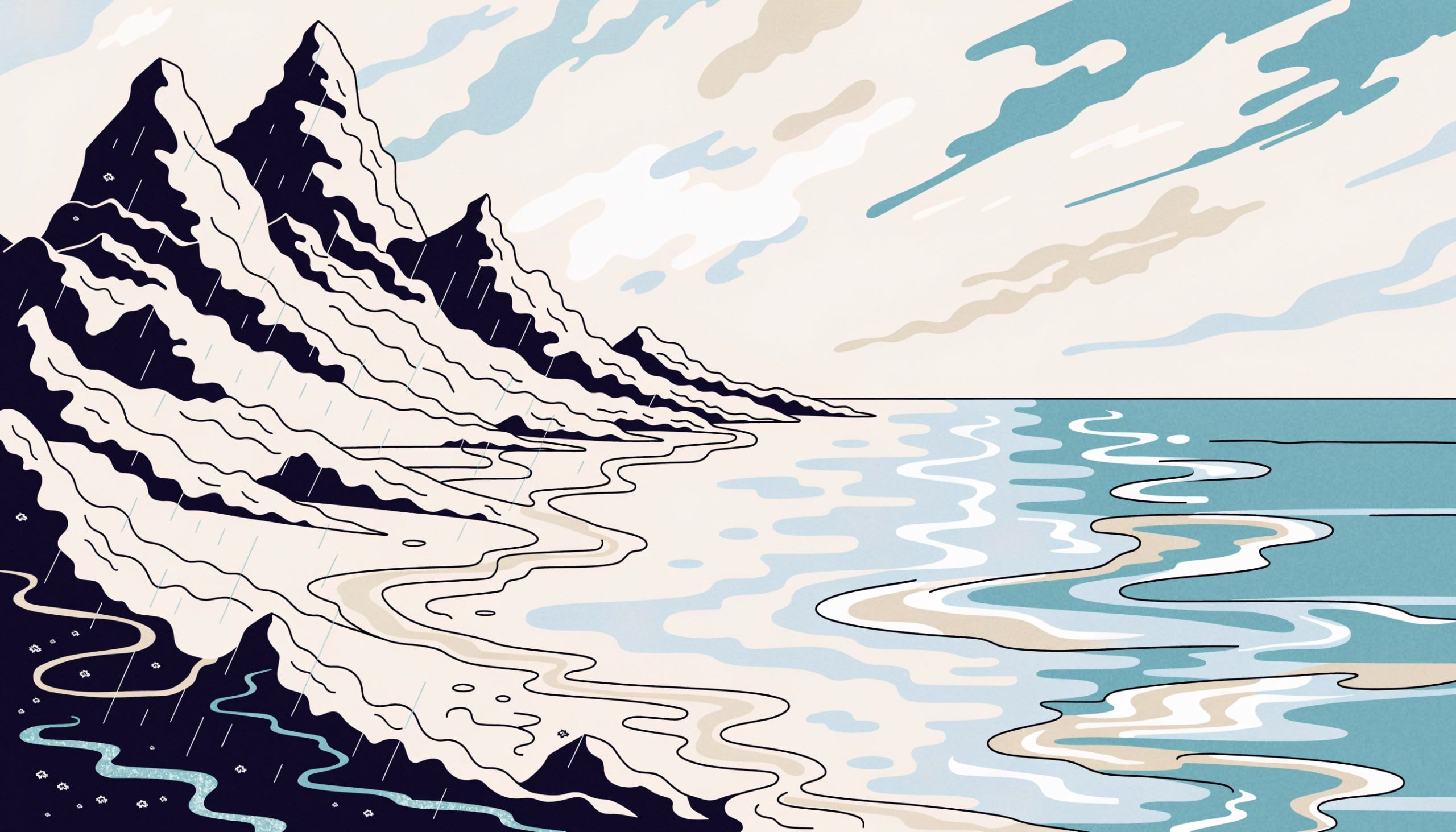
Their light crosses kilometres of restless air before reaching the eye. Planets, being closer, don't twinkle.
Cosmira

Why do stars twinkle?

Because their light crosses kilometres of restless air before reaching your eye, and the atmosphere makes that tiny pinpoint dance. Planets, being closer, don't twinkle.

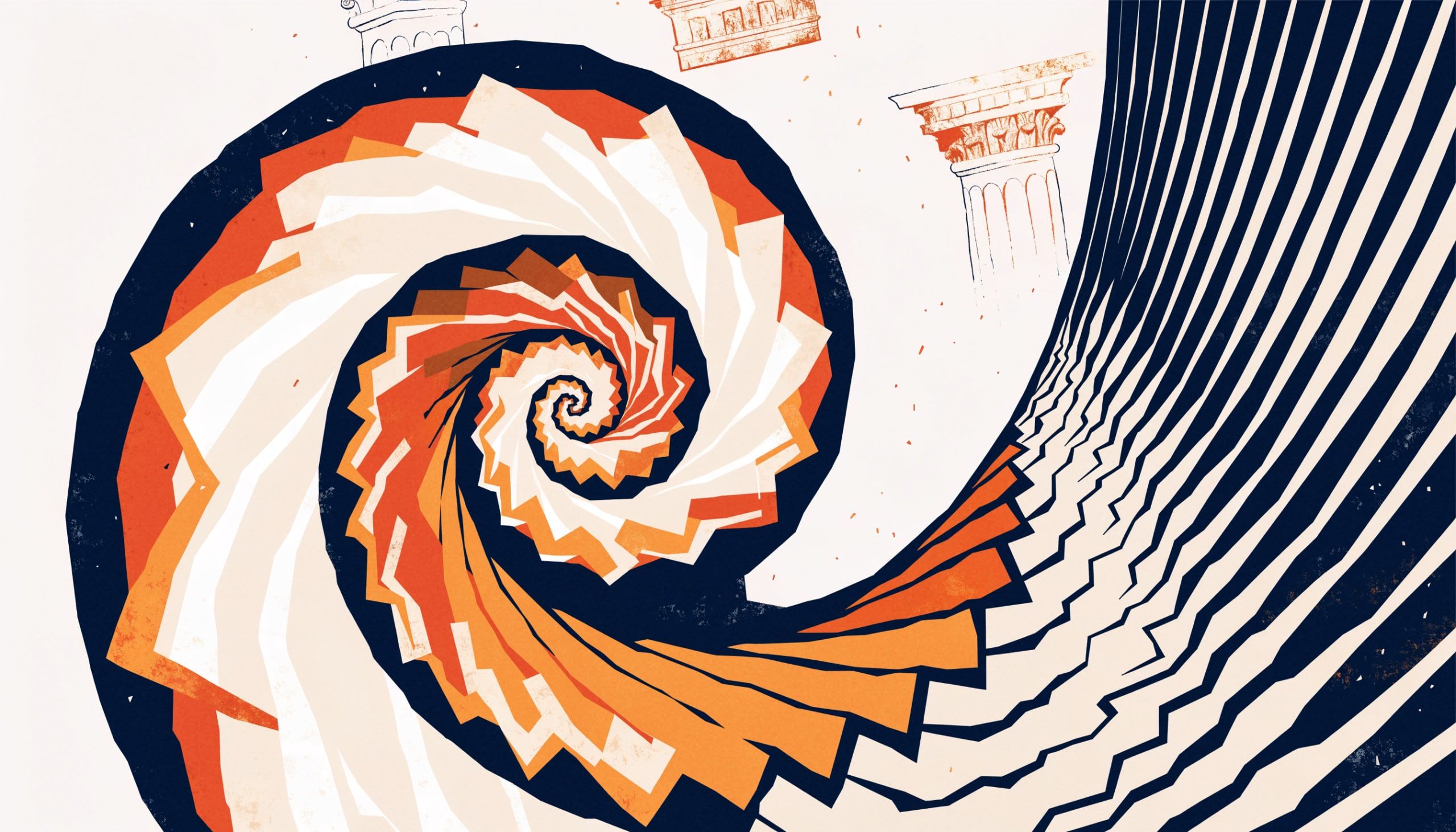
As they grow, empires pay more for their own complexity than that complexity returns. The same internal strains come back every cycle.
Chroneve

Why do empires always end up collapsing?

Because past a certain size, empires pay more for their own complexity than it returns, and because the same internal strains (too many elites, widening inequality, frozen institutions) recur in every cycle, from the Bronze Age to Rome to the Maya.

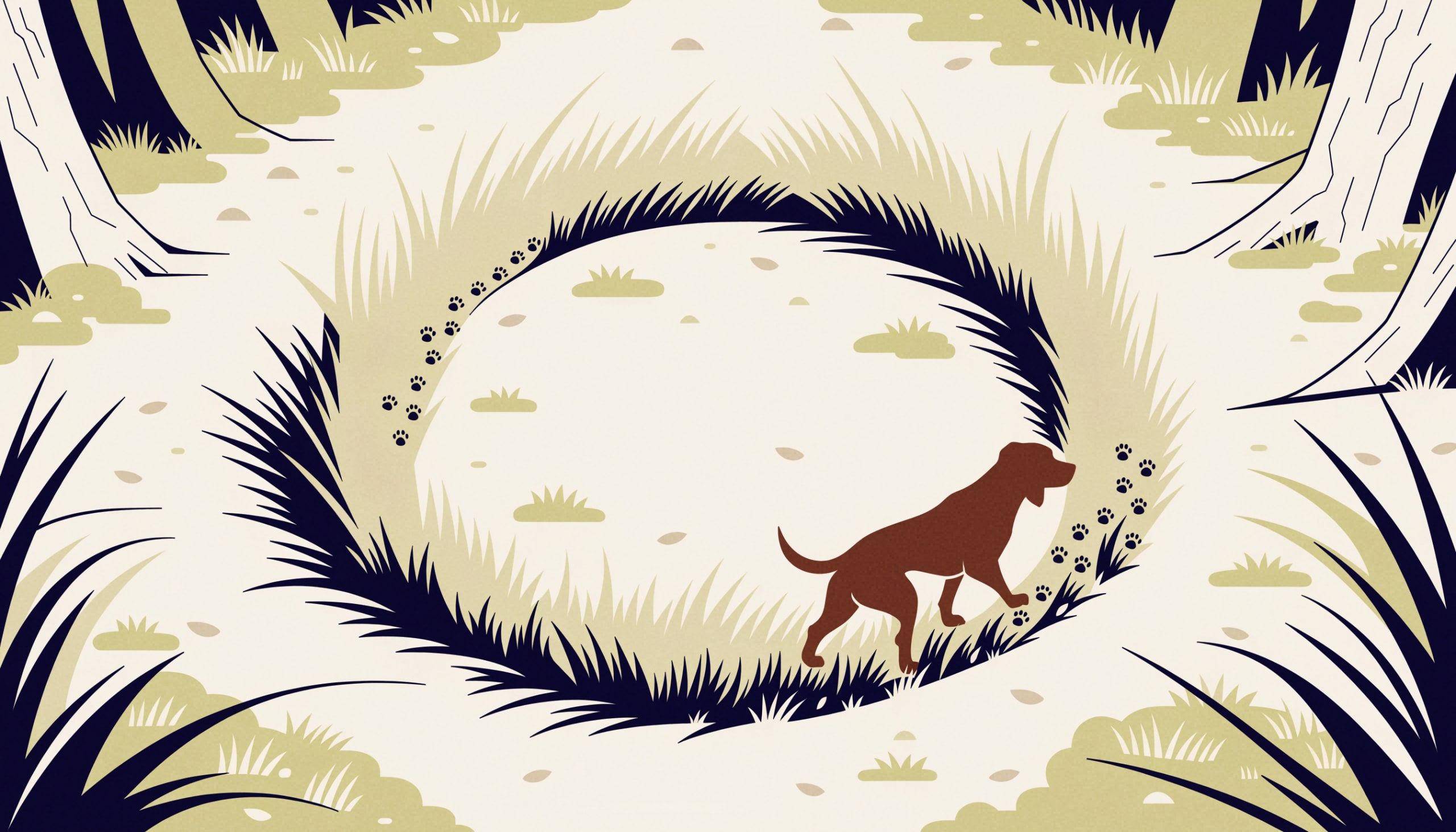
An old habit borrowed from wolves: flatten the grass, scare off whatever might bite, sniff the wind, and the gesture survives even on a parquet floor where none of it makes sense anymore.
Sylvora

Why do dogs circle before lying down?

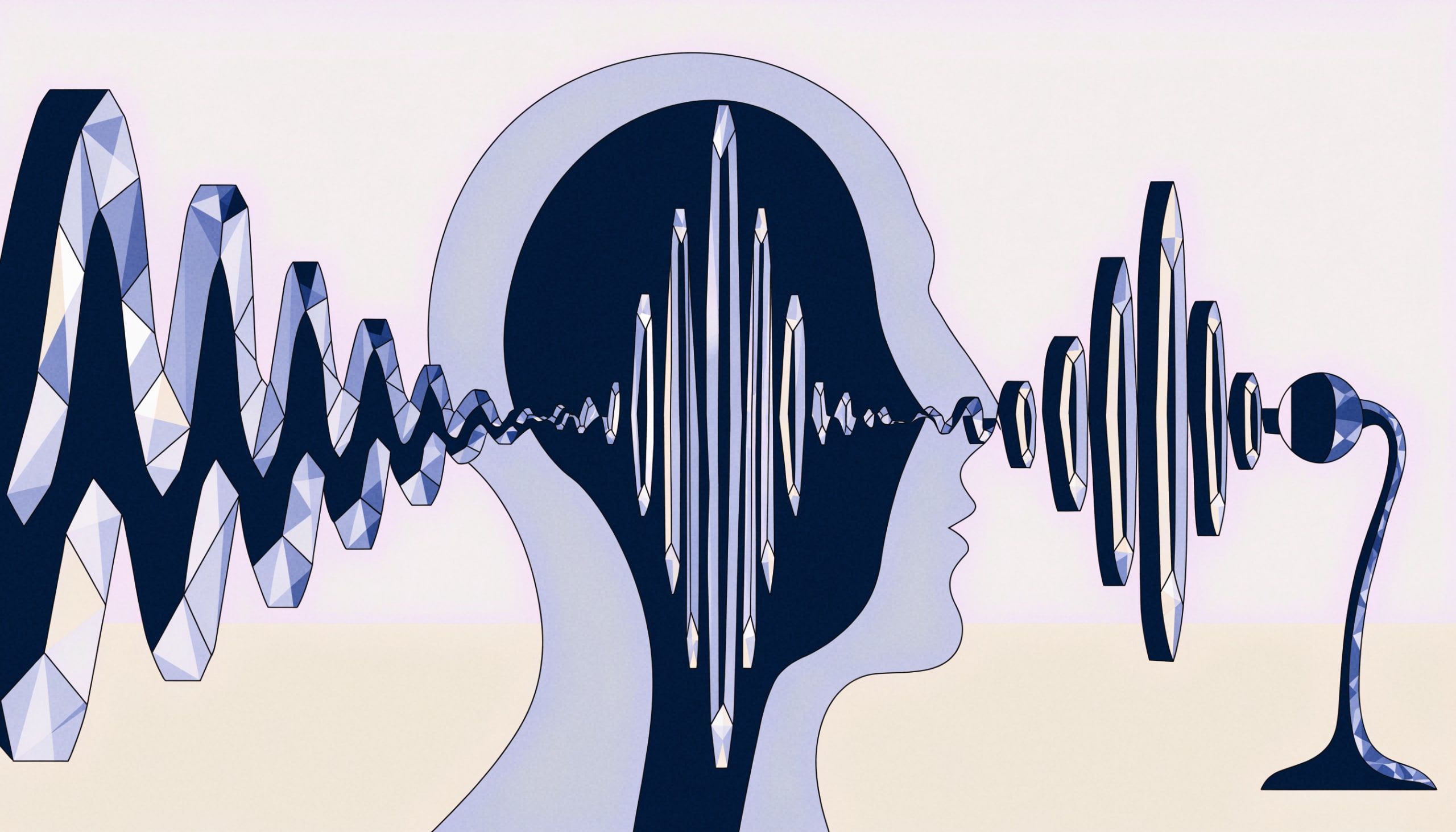
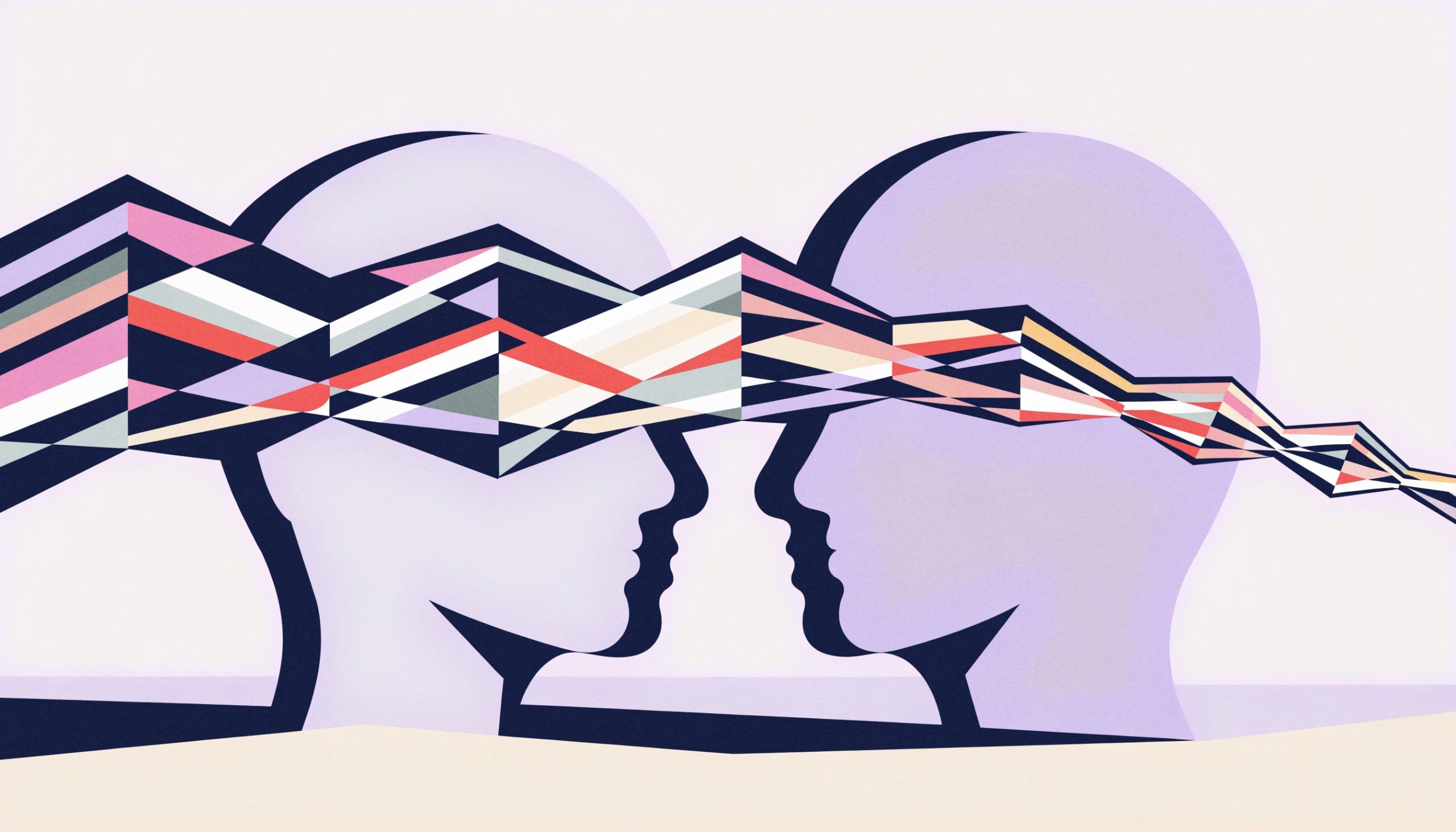
When you speak, you hear two voices at once: one through the air, one vibrating through your skull. A recording only keeps the first.
Lumera

Why does your own voice sound strange when you hear it recorded?

Because you hear yourself through two channels at once: air, and the bones of your skull. Bone conduction adds low-frequency warmth that nobody else hears. A recording captures only the air-borne voice: the slimmer, brighter one others have always known.

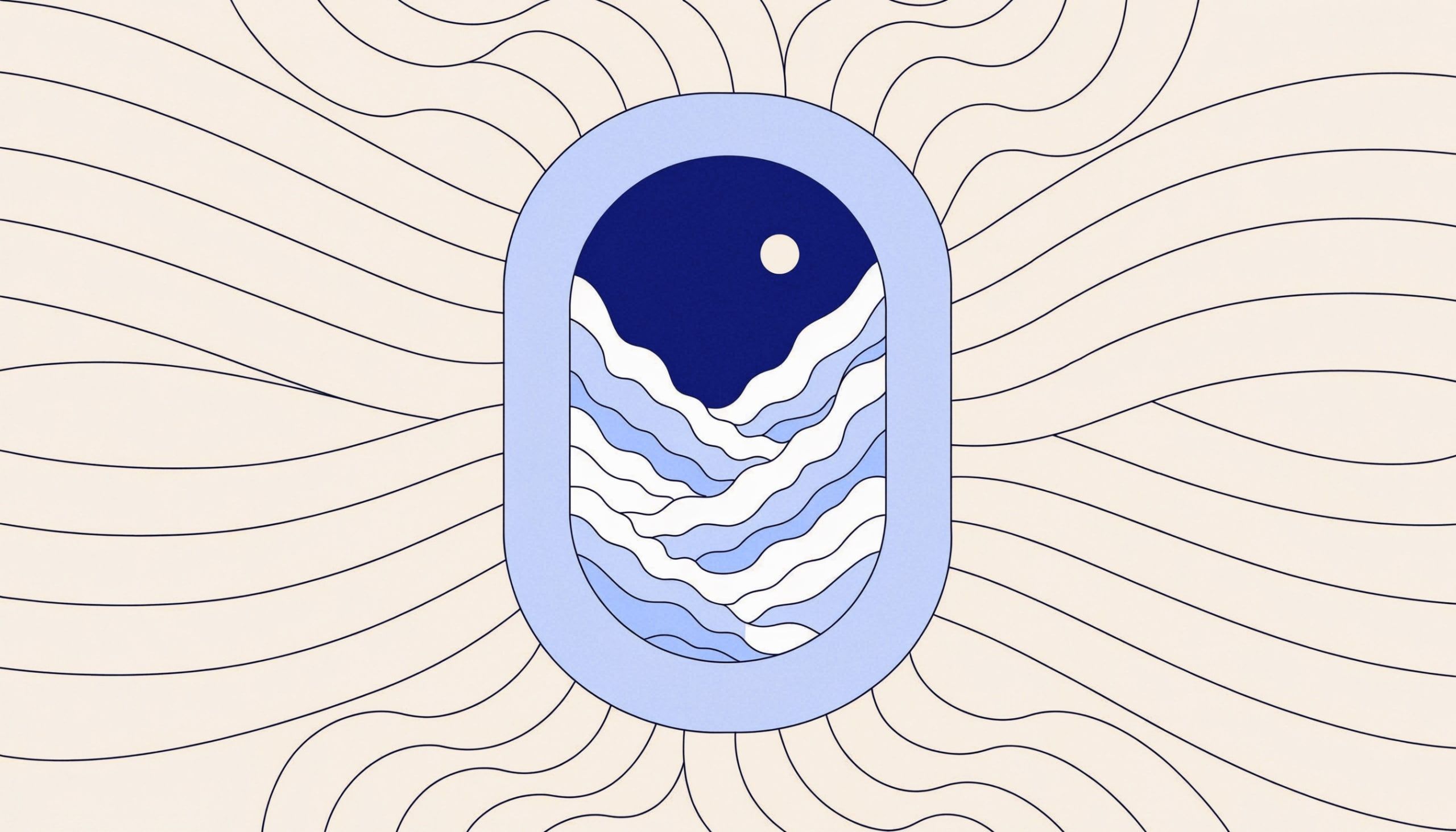
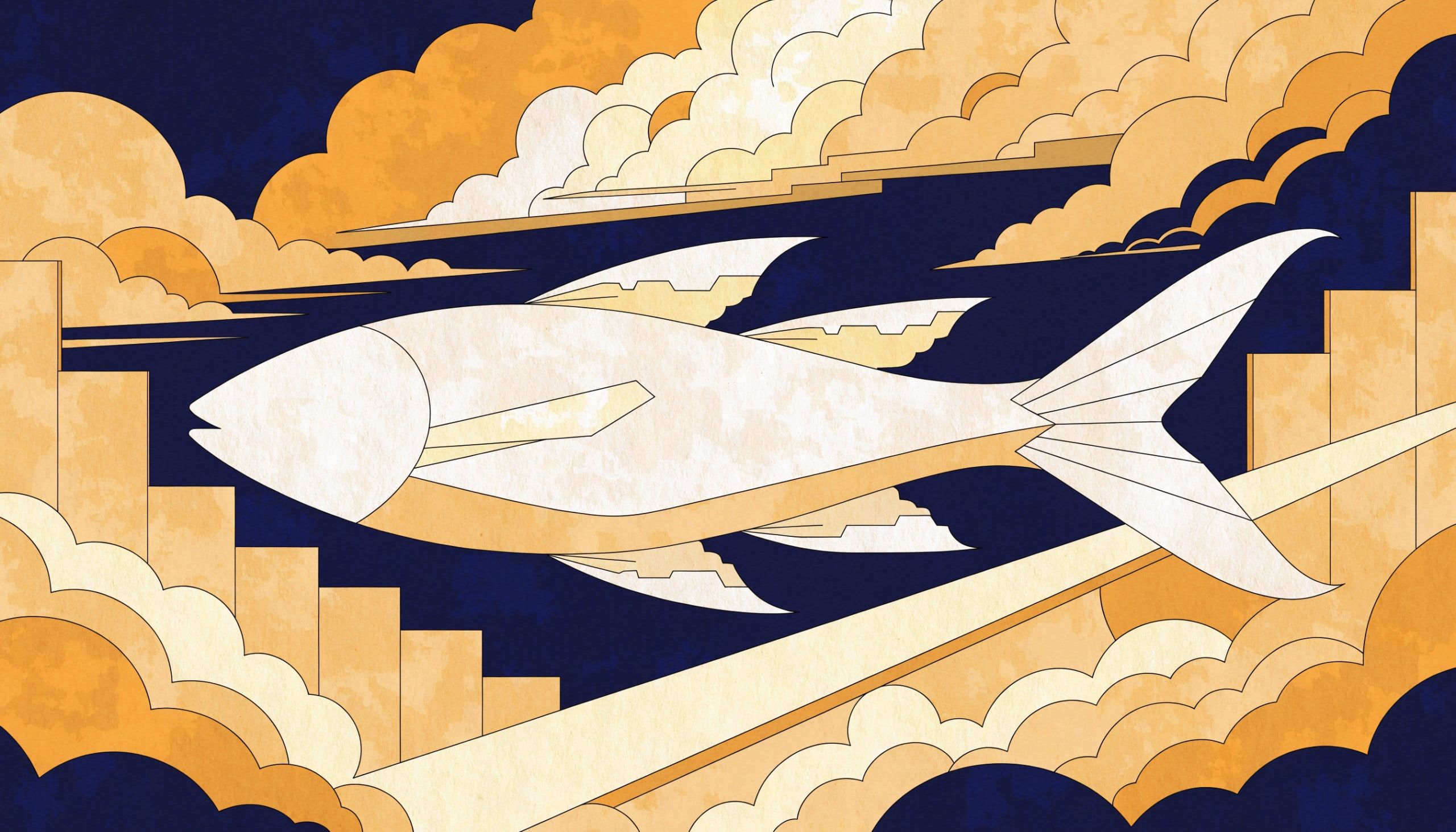
The first pressurised airliners had nearly square windows. Two came apart in mid-flight in 1954: a corner concentrates stress where a curve disperses it.
Plumaire

Why are aircraft windows round?

Because corners concentrate pressure until the metal splits. When the first pressurised jets (fitted with squarish windows) came apart in mid-flight in 1954, engineers learned that an oval spreads stress evenly around its rim, and offers no corner where a tear can begin.

Rain dissolves the rocks, rivers carry the salt down to the ocean, the water evaporates, and the salt stays behind.
Corallis

Why is the sea salty?

Origins blurry, but a worldwide festival of small, gentle lies. One day a year when truth tries on a costume.
Evelie

Why do we play pranks on April 1st?

Nobody quite knows. The most popular theory points to a 16th-century calendar reform, but historians find it a little too tidy to be true.

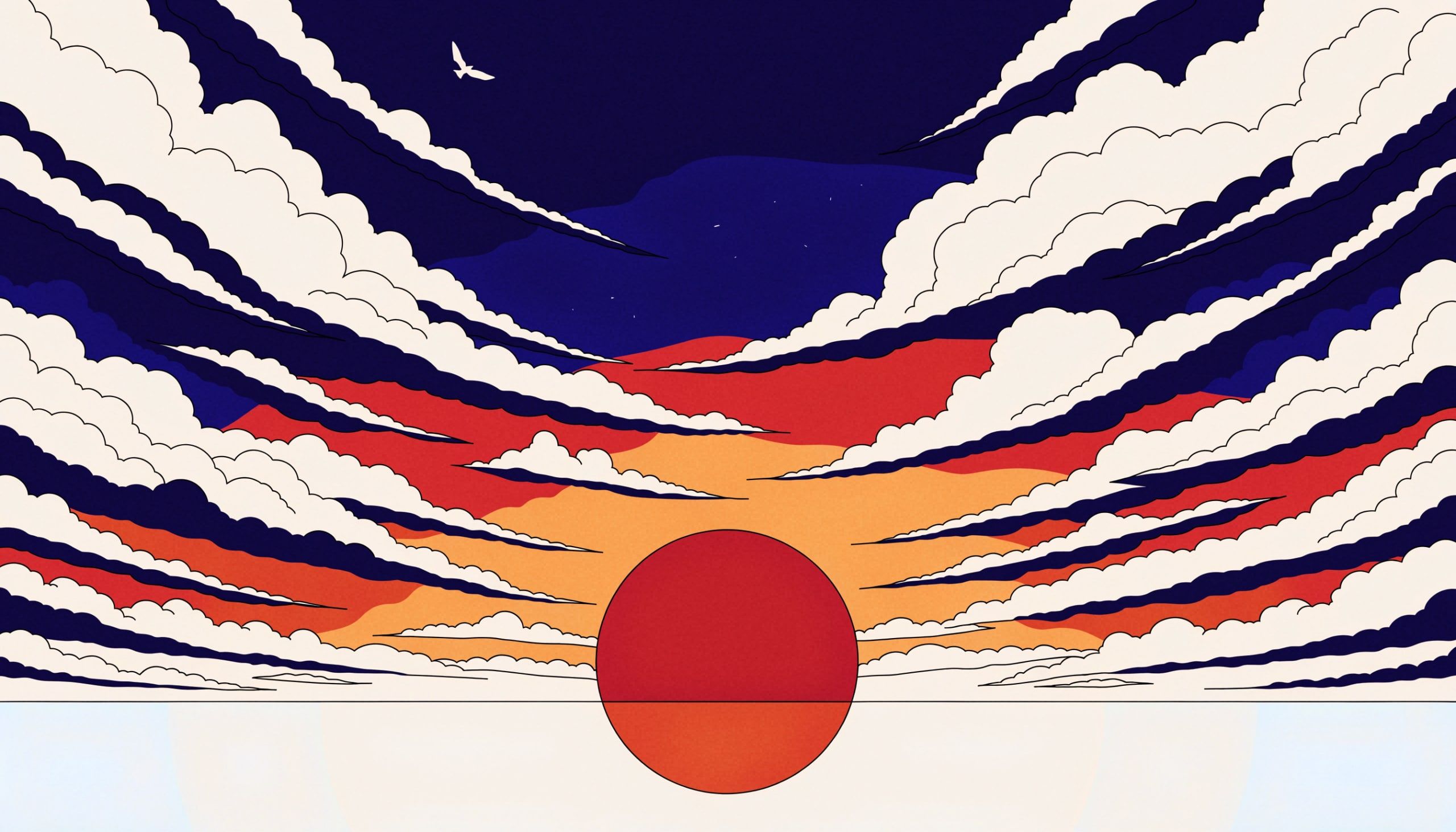
When the sun sinks, its light has to push through far more atmosphere to reach us. The blue scatters away on the way; the red survives. The sky doesn't change: the path lengthens.
Cosmira

Why are sunsets red?

Because the light from a sun near the horizon has to pass through a far thicker layer of atmosphere than at noon. The blue is scattered out of the line of sight by the molecules of the air; the red passes through almost untouched. And what reaches you is what's left.

Each new year is a smaller slice of a life, and routine leaves fewer dense memories to look back on.
Chroneve

Why does time seem to speed up as we get older?

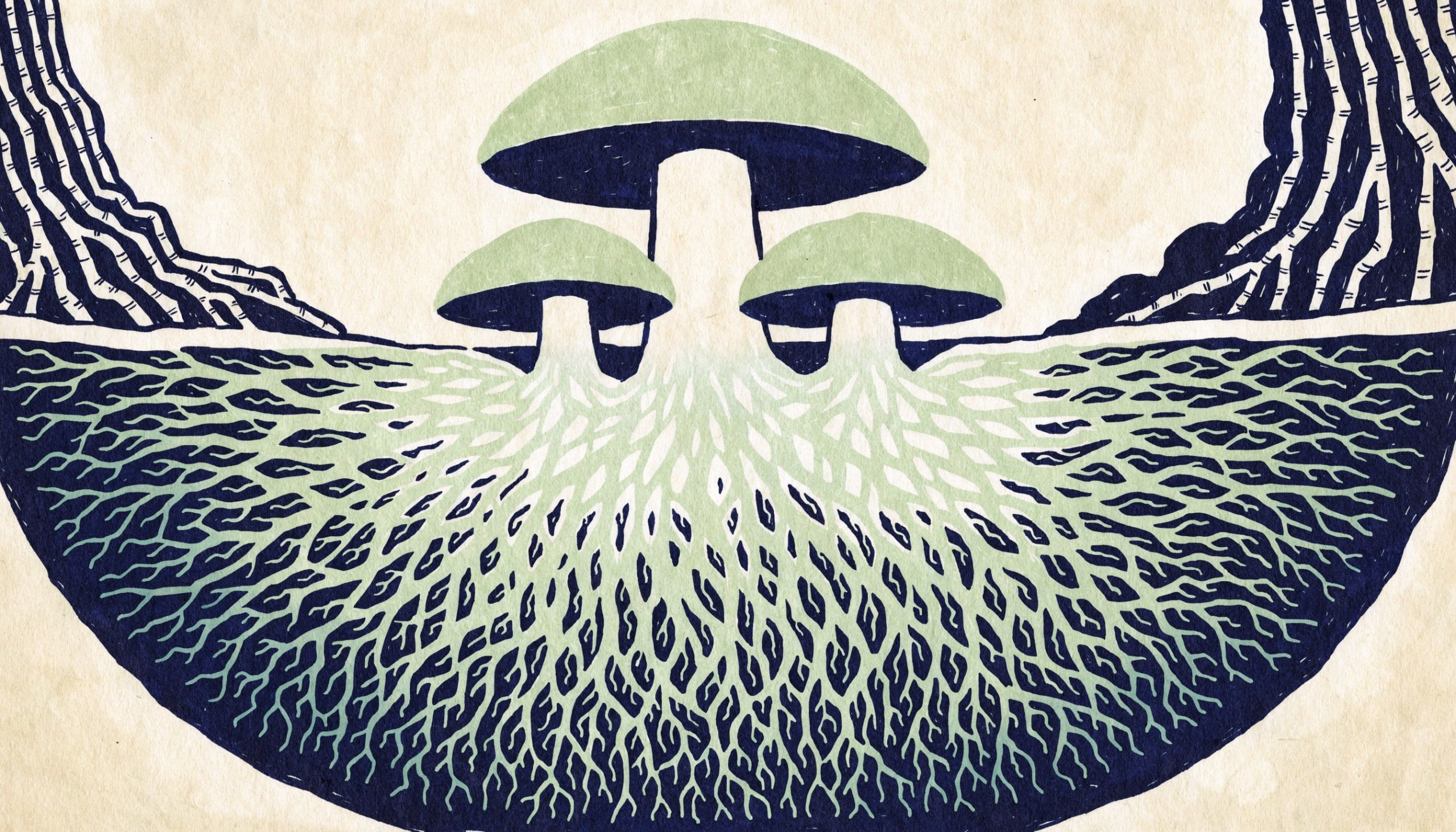
They don't photosynthesise, they have no digestive tract, and their DNA places them in a kingdom of their own, closer to us than to any tree.
Sylvora

Why aren't fungi plants or animals?

Because they don't photosynthesise like plants and have no digestive system like animals, and their DNA places them in a kingdom of their own, closer to us than to any tree.

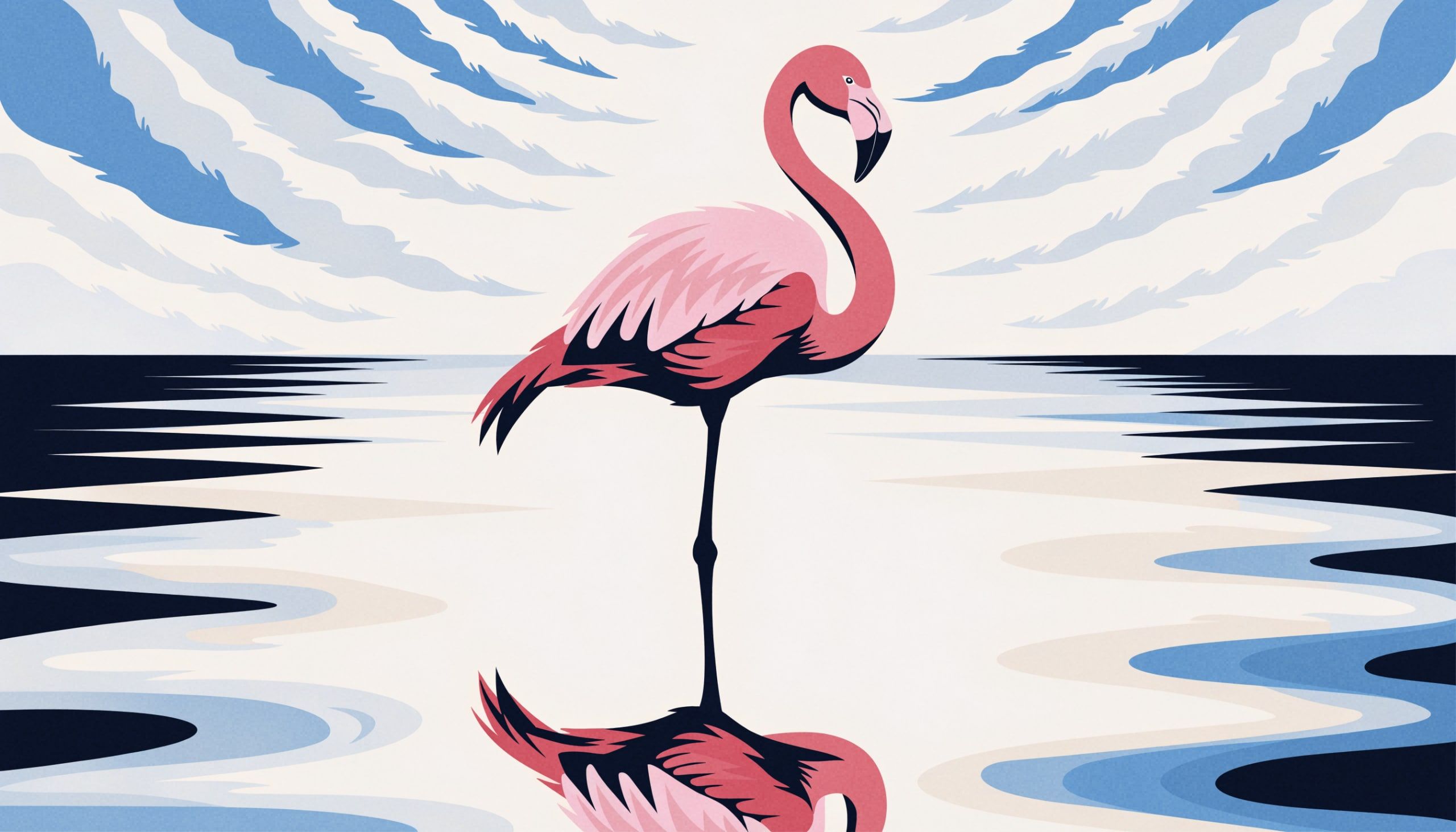
Neither a whim nor an exercise: the posture saves heat, and a passive joint mechanism lets the bird stand effortlessly, even asleep.
Plumaire

Why do flamingos stand on one leg?

Because the posture saves heat (a tucked leg loses far less warmth in cold water) and because a passive locking mechanism in the joints lets the flamingo stand without any active muscular effort, even while asleep.

Watching someone yawn lights up the same circuits in your brain: an old way for social animals to keep their arousal levels in step.
Lumera

Why is yawning contagious?

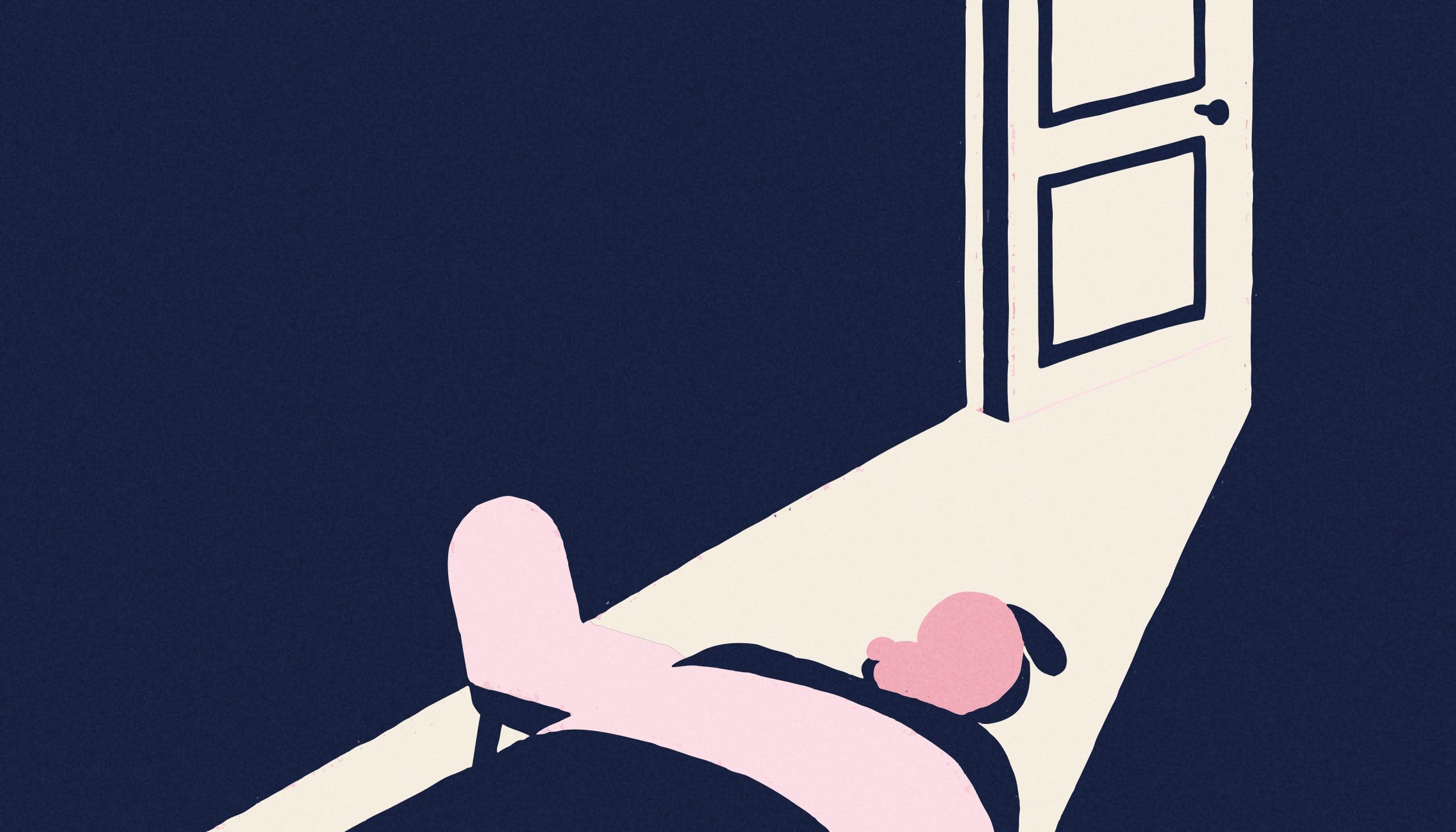
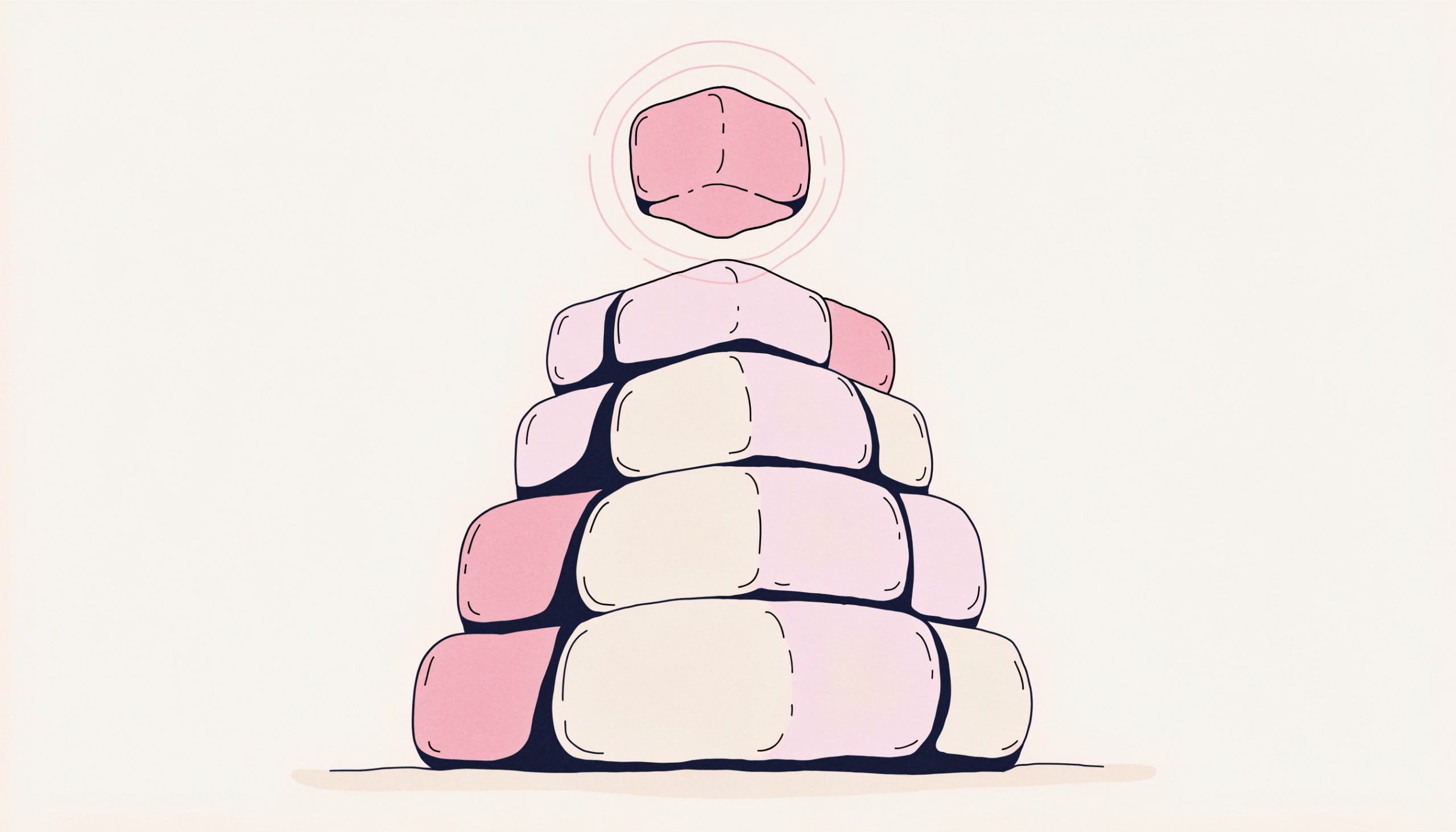
A child's brain builds the world one brick at a time: every 'why' is a brick looking for its place.
Tendrille

Why do kids ask so many questions?

Because their brains are building the world in real time, and every "why" is a brick looking for where it fits.

The Moon pulls the sea harder on one side of Earth than the other. The ocean stretches into two bulges that the planet rotates through each day.
Corallis

Why are there tides?

Because the Moon pulls on the sea harder on one side of Earth than the other: the ocean stretches into two bulges that the planet rotates through each day.

The Babylonians counted seven moving lights in the night sky, and that count outlived them by three thousand years.
Evelie

Why does the week have seven days?

Olbers' paradox: the universe has an age, light from the most distant stars hasn't had time to reach us, and the light that does is stretched into the invisible.
Cosmira

Why is the sky dark at night?

Because the universe has an age: light from the farthest stars hasn't had time to reach us yet. And the light that does arrive has been stretched so far by cosmic expansion that it has slipped out of the visible range.

An engineering decision made in 1873 on a long-dead mechanical machine. No one ever undid it, because millions of fingers had already learned it.
Chroneve

Why isn't the keyboard in alphabetical order?

Because the QWERTY layout was frozen in 1873 on the first commercial mechanical typewriters, where some letters had to be kept apart so that the type bars wouldn't jam. The technical need vanished with the type-bar machines, but the muscle memory of millions of fingers didn't.

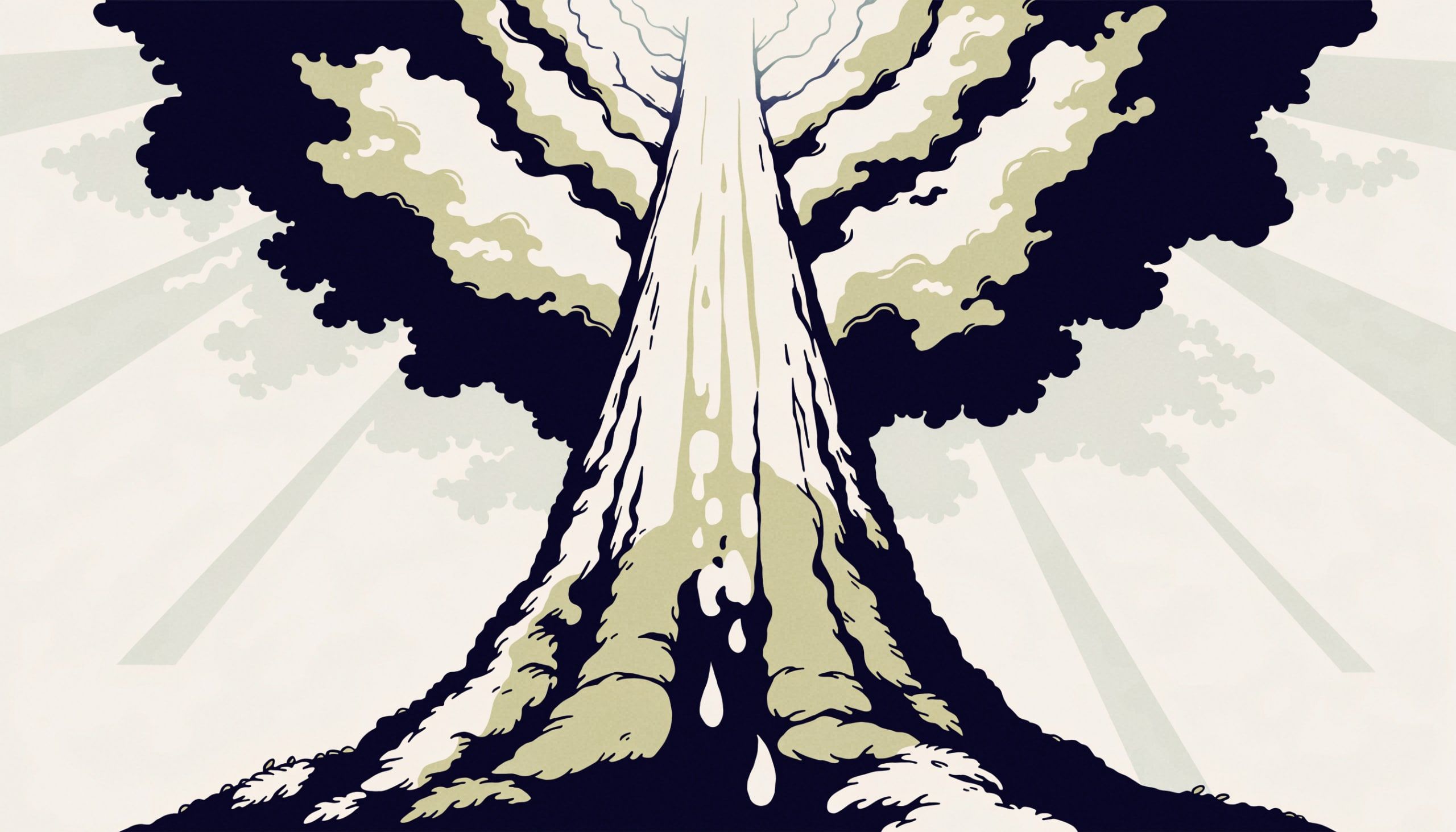
Past a certain height, a tree can no longer pull water all the way up to its leaves: the liquid breaks inside its channels before it reaches the crown.
Sylvora

Why don't trees grow infinitely tall?

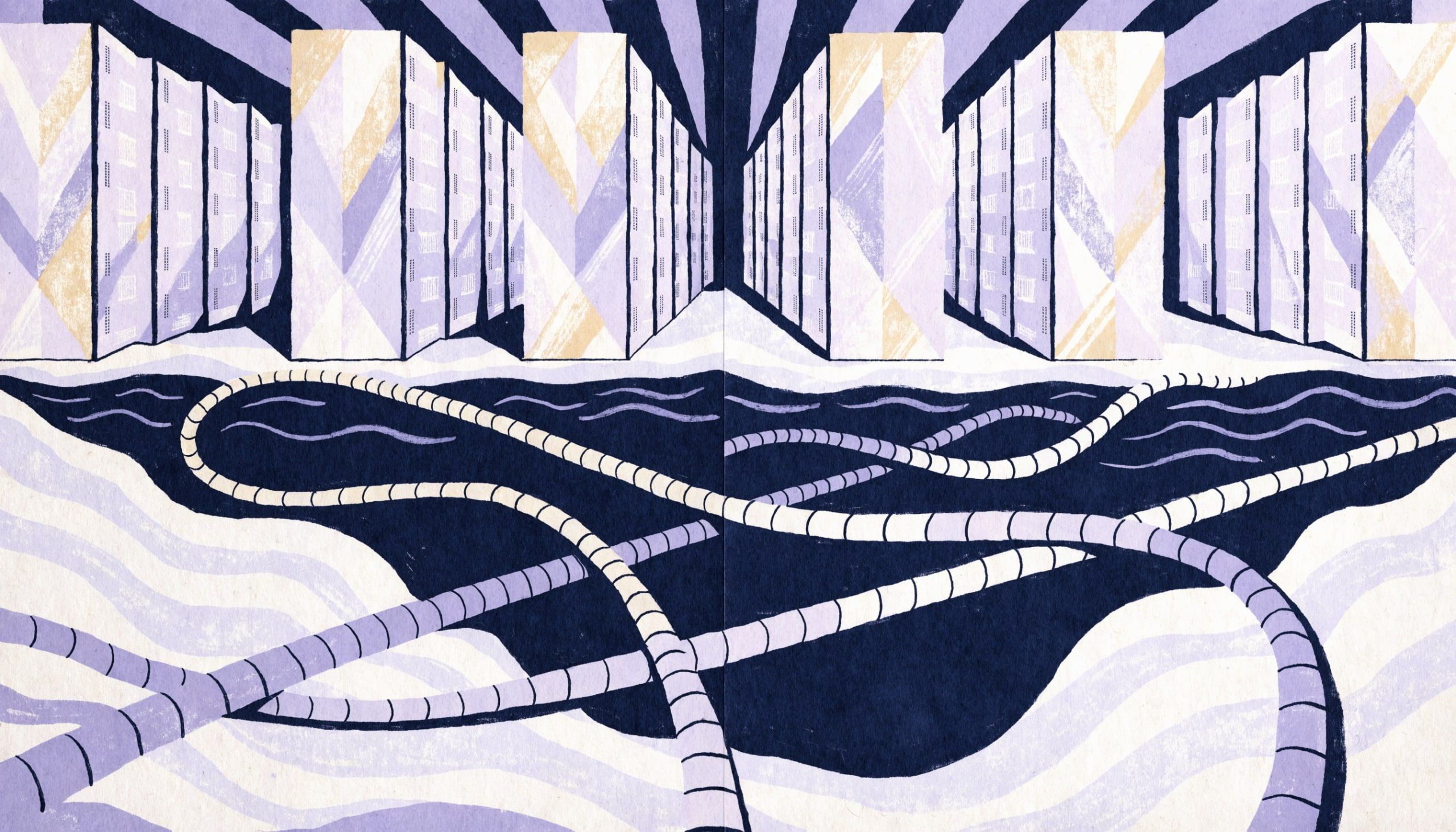
Not in the sky, not in a cloud. In climate-controlled warehouses and on the ocean floor: 1.5 million km of cables and millions of servers.
Lumera

Why isn't the internet in the sky?

Blue light zigzags between air molecules and reaches us from everywhere at once. A sky that breathes: not a Rayleigh diagram, not a rural landscape.
Plumaire

Why is the sky blue?

Newsletter

One question every Sunday, in your inbox.

By subscribing, you agree to our privacy policy. Unsubscribe in one click, no spam ever.

Almost there: check your inbox to confirm your subscription.

Quarelia

All the whys, in one place.

Explore

  • The 8 universes
  • Oddities
  • All archives

Themes

  • Animals
  • Sky & space
  • Body & brain
  • History & origins

About

  • Our approach
  • Newsletter
  • Contact

Follow

  • Instagram @quareliatv
  • TikTok @quareliatv
  • YouTube @quareliatv

© 2026 Quarelia. All rights reserved.

  • Legal notice
  • Privacy

Made with curiosity