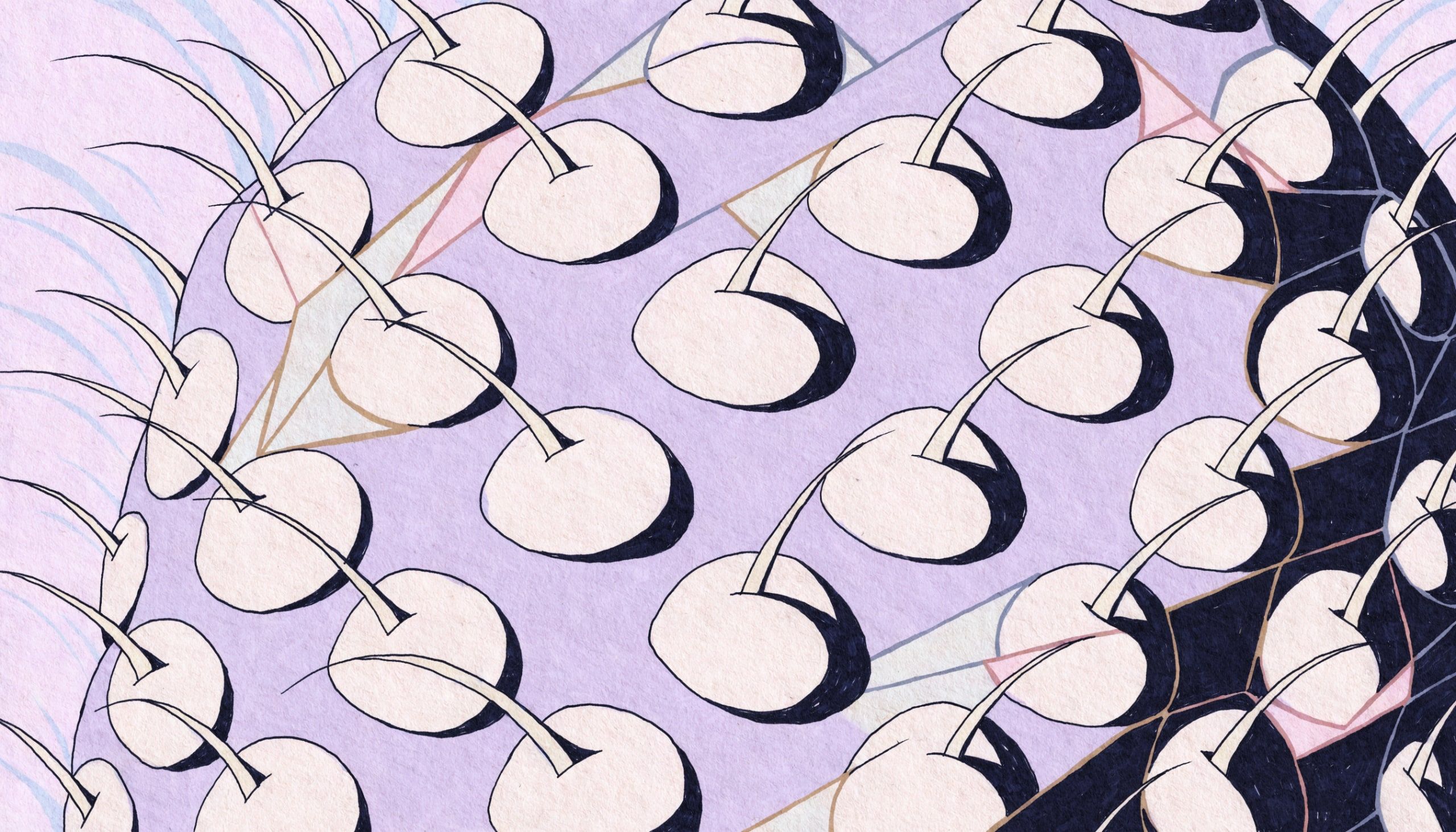
A reflex built for a coat we lost
In thick-furred mammals, every hair sits over a tiny muscle called the arrector pili. When that muscle contracts, the hair stands up. For a cornered cat, this is how you look bigger. For a porcupine, it’s how you raise the quills. For a cold bear, it’s how you trap a layer of warm air between the lifted hairs and shield yourself from the wind.
Our ancestors had the same reflex. Then, around 1.2 million years ago, the human lineage lost most of its fur. The mechanism stayed in place, fully wired, fully functional. The little muscles still work, the nerve endings still answer. Only now, on our nearly bare skin, they have nothing useful to lift. They make the small bumps we call goosebumps.
Cold trips the old program
The classic trigger is a drop in temperature. The sympathetic nervous system releases noradrenaline, the arrector pili muscles contract all at once, and the skin bristles. On a cat, the gesture adds a few degrees of insulation. On us, it produces almost no warmth — it’s a backup reflex that hasn’t noticed the tool is gone.
It’s a mechanical inheritance, in the most literal sense: our body is still running, down to the millisecond, the instructions it was given for an environment we left hundreds of thousands of years ago.
Music pulls the same wire
Stranger still: goosebumps don’t only answer to cold. Strong feeling (fear, awe, and especially intense music) can set off the very same reaction. Somewhere between half and two thirds of people report these “chills” while listening to certain pieces. Imaging studies show that, in their brains, the reward circuits light up, with a release of dopamine on the order of what a good meal or a hug produces.
Why the link? Because the reflex runs along the same nerve pathway that codes for intense emotional arousal. The system has only one “alert” wire, and when that alert is pulled, by cold or by the sublime, the wire fires everything connected to it, including the useless little muscles in our follicles.
So we sometimes get goosebumps for reasons that have nothing left to do with survival. It’s about the most touching thing our body does without being asked.
Other animals, too, have machinery that fires on its own, deep in the throat. Why do cats purr?