A puzzle no one had really settled
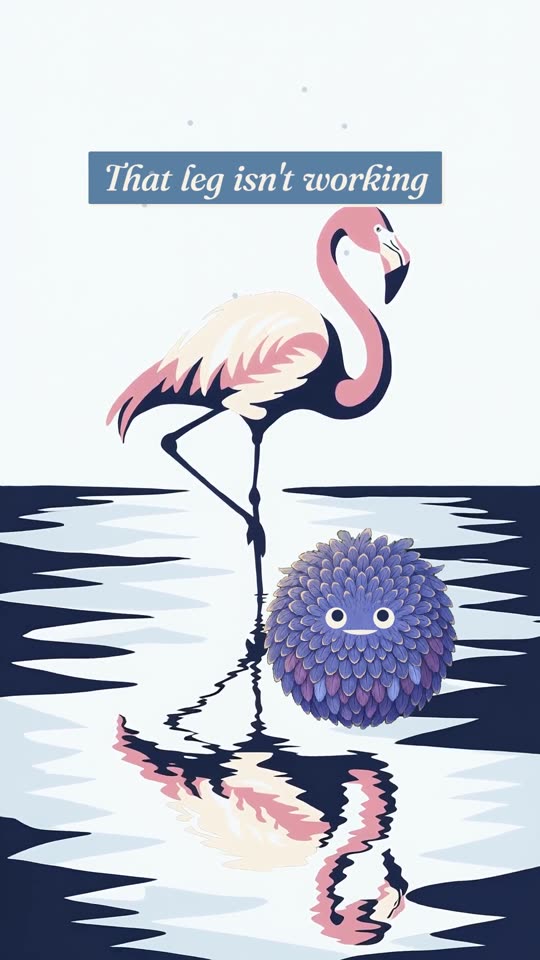
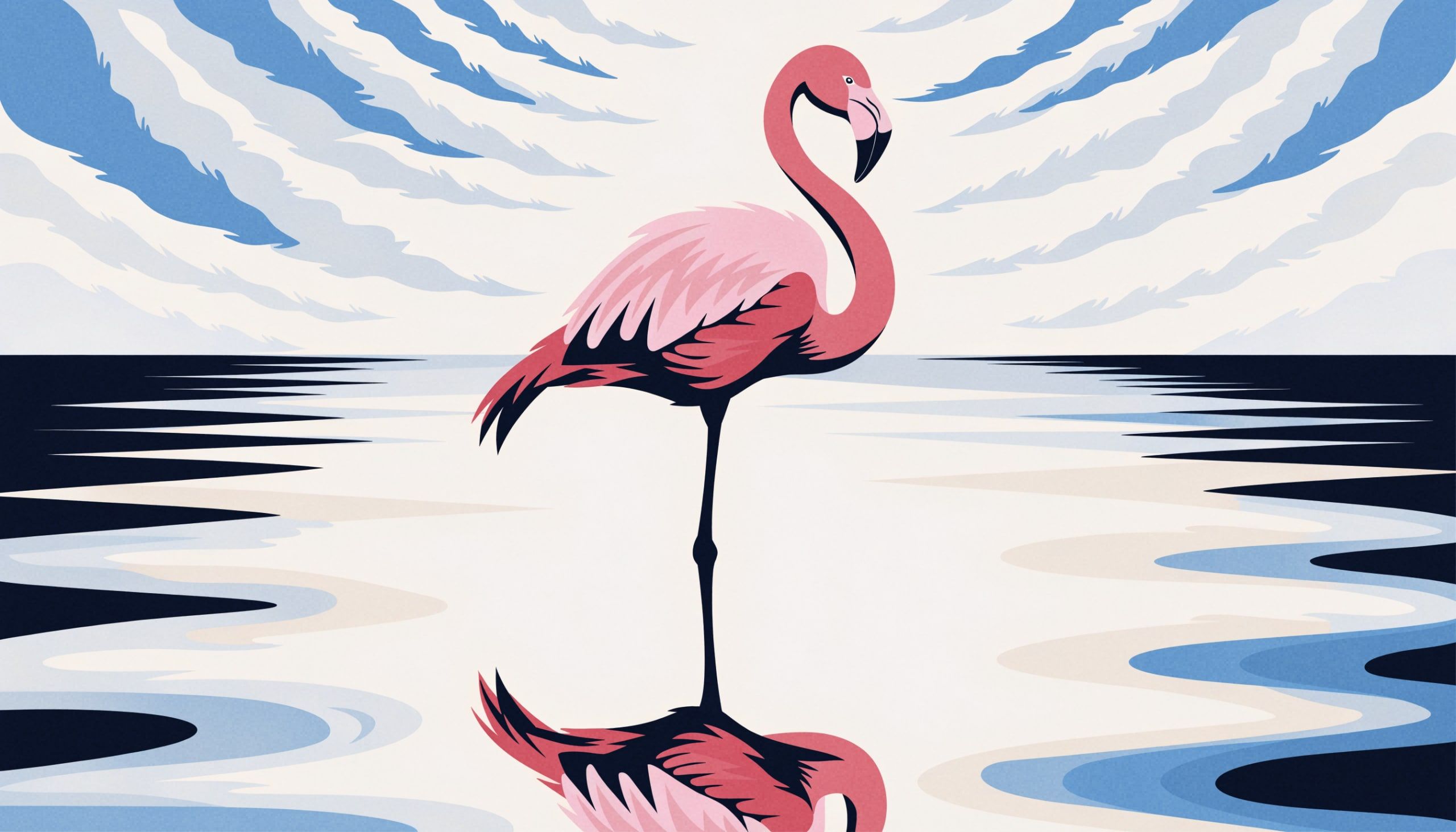
Flamingos spend much of their lives standing on a single leg. They sleep that way, drowse that way, wait out the hot hours that way. For a long time, the most popular explanation was almost poetic: the posture would save heat in the cold water where they feed. Tucking one leg into the feathers cuts the surface exposed to the current in half. The logic holds.
But that hypothesis sat for years next to others, less charming: simply resting one leg at a time, or even avoiding waterborne parasites. None of them had been properly tested. Observation hinted; science hadn’t ruled.
Heat, properly measured
In 2010, two biologists at Saint Joseph’s University published a study tracking captive flamingos against the ambient temperature. The result was clean: the colder it was, the more the birds stood on one leg; the warmer it was, the more they came down on two. The posture is genuinely a thermoregulation strategy, comparable to a human slipping a hand into a pocket when it’s cold. The unused leg is tucked away in a layer of feathers that acts as a duvet.
It’s a real, measured explanation, but it leaves a mystery. Why do flamingos stand on one leg so effortlessly that they can fall asleep on it without falling over?
A passive joint lock, and zero effort
In 2017, an Atlanta team (Georgia Tech and Emory) published in Biology Letters a striking experiment. Working with both live and dead flamingos, they demonstrated that the one-leg posture is held by a passive joint-locking mechanism. When the bird’s centre of gravity is positioned just over its standing leg, the knee locks mechanically, with no muscle having to do any work. The most radical evidence: a deceased flamingo, propped into position, stands on its own.
Standing on one leg costs no more energy than sitting down does.
What makes the posture so restful, then, isn’t a feat of strength but an economy. The flamingo holds for free, because its skeleton holds it in place.
A posture that fuses both logics
The two explanations, in fact, complete each other. The flamingo opts for one-legged standing in the cold because it’s useful for warmth, and it can sustain that posture for hours because it costs almost nothing. The cold gives it the reason; its biomechanics give it the permission.
It’s one of those rare cases in the animal kingdom where visual elegance and thermal efficiency happen to land in exactly the same place — without a single muscle being asked to work.
Other birds don’t spend daybreak resting in silence. Why do birds sing at dawn?