The dark isn’t the problem
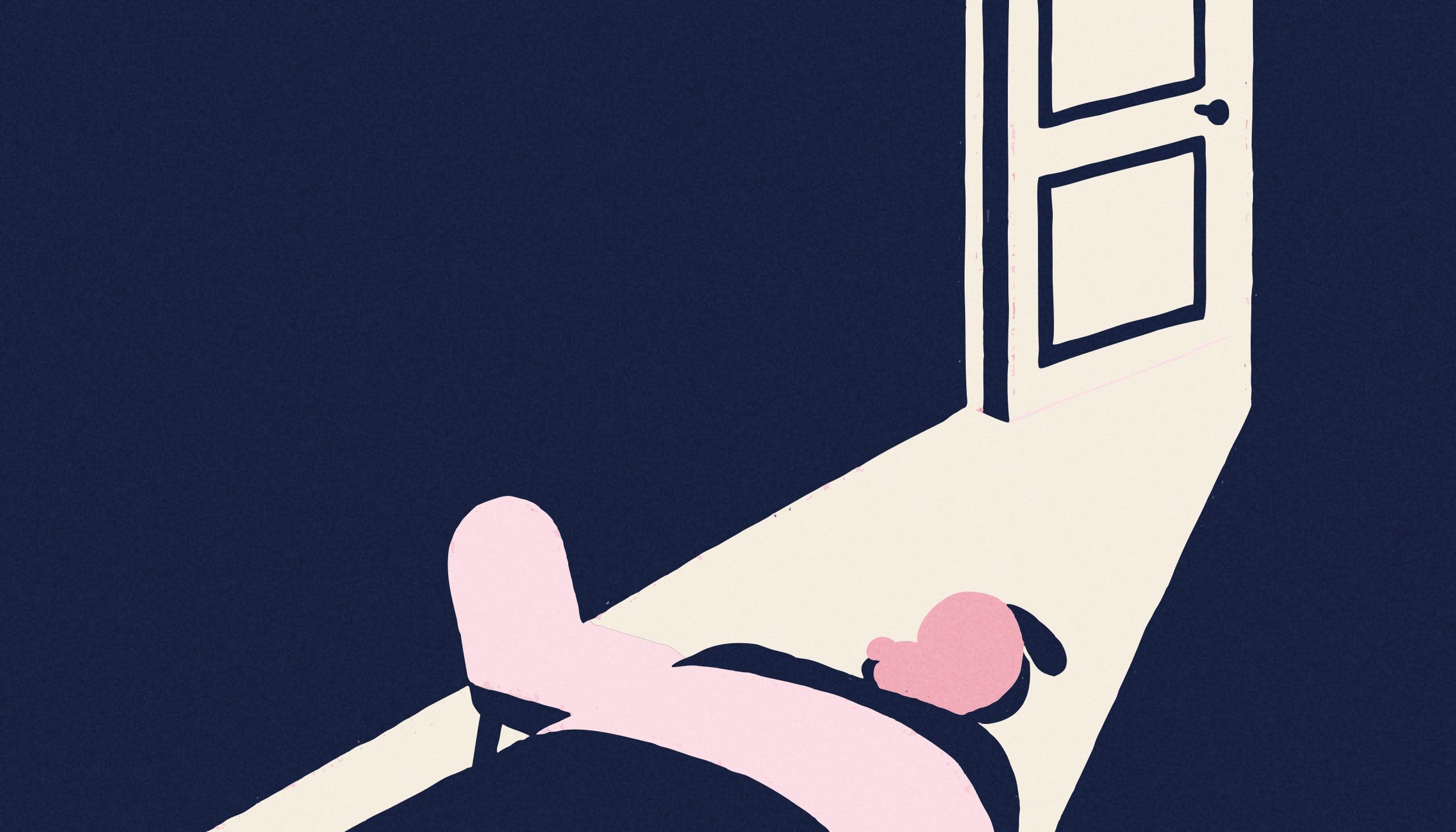
Turn off the light in a four-year-old’s bedroom and the room they know by heart changes its nature. Same furniture, same half-open door, yet suddenly nothing can be checked. Darkness in itself has nothing hostile about it: it is only an absence of light. What the child dreads is not the dark, but the uncertainty it brings.
Our brain leans first on sight to judge whether a place is safe. Cut that source off all at once, and the brain loses its main way to verify. It no longer knows what sits at the foot of the bed. And a brain that doesn’t know prefers, to be safe, to assume the worst.
The brain fills in the blanks
Here a faculty steps in, one that blossoms around two or three: imagination. The child becomes able to picture what isn’t there, to build whole scenes inside their head. The very curiosity that pushes them to ask a hundred questions an hour is what peoples the shadows, once night falls, with shapes that don’t exist.
And for the amygdala, the small node of the brain that fires off fear, an imagined threat and a real one look much alike. The monster under the bed hides nowhere, yet the body answers as though it were there: racing heart, tight muscles, the urge to call out.
An inherited caution
One question is left: why does this fear surface so readily, almost without being taught? Because it comes from far back. For hundreds of thousands of years, night was the most dangerous time for our ancestors: predators on the hunt, poor human night vision, no way to flee what you cannot see coming. Children, the most vulnerable of all, who stayed close to the adults and grew wary of the dark, simply stood a better chance of growing up.
Fear of the dark is, then, a kind of safety reflex wired long before we are born, like other old reflexes the body keeps long after their use is gone. In time, the brain learns that the room stays the same once the light goes out, and the alarm turns the volume down.
Fear of the dark is no whim. It’s the trace, in a very small body, of a world where the dark had teeth.