The morning battle isn’t about willpower
In millions of homes the same scene replays each morning: a teenager who simply will not get out of bed, and that same teenager, come evening, wide awake at eleven. We read it as plain unwillingness, screens, a life off the rails. The truth lies elsewhere, and it is entirely physiological.
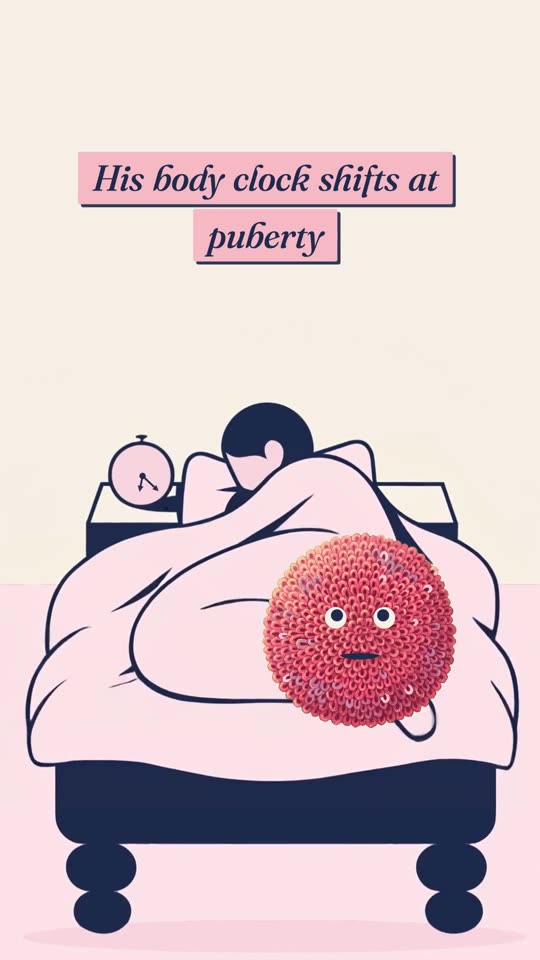
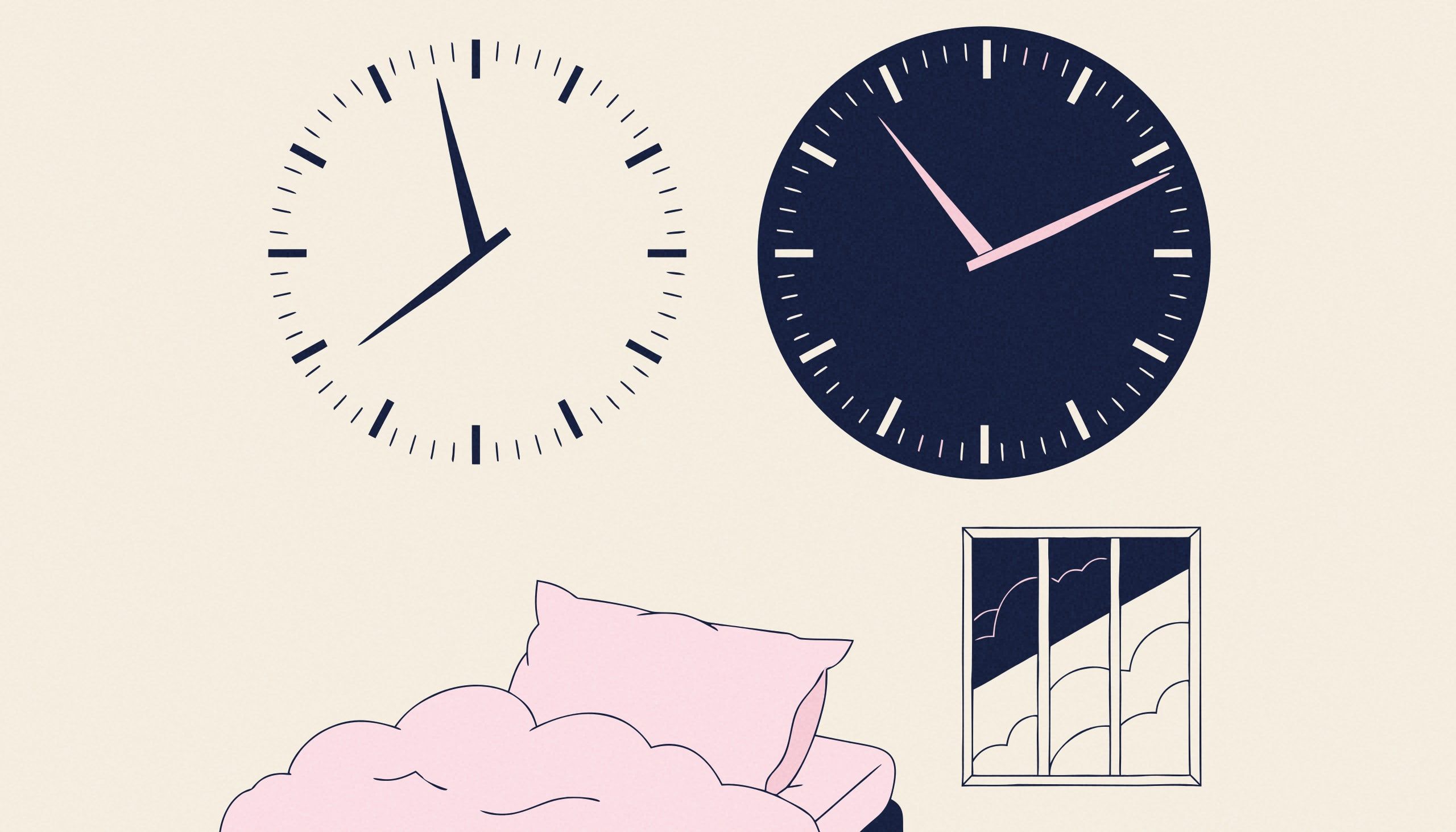
At puberty, something shifts inside the head: the internal clock, that roughly twenty-four-hour rhythm that decides when you feel sleepy and when you feel alert. In a child it is set early. In a teenager it slides back by one to three hours. It is the same brain clock that, later in life, will make time seem to race by faster and faster.
A hormone that runs late
The conductor of this rhythm is called melatonin, the hormone that readies the body for sleep. In most adults it starts to rise in the late evening. In a teenager its release is pushed back by several hours. The result: before eleven or midnight, the brain has simply not received its signal to fall asleep. Asking it to sleep at nine is like asking it to yawn on command, when drowsiness never takes orders.
The trouble is that the total need does not drop along with it. A teenager still asks for eight to ten hours of sleep so that the brain, mid-rebuild, can file and consolidate what it has learned. Fall asleep at midnight, and they ought to wake around nine. School, meanwhile, rings at eight.
A debt that piles up
Every night cut short digs the hole a little deeper. On weekdays the teenager sleeps less than they need; on weekends they pay it all back at once, sleeping until noon. That long lie-in everyone scolds is no luxury: it’s a repayment.
Several countries have understood this and pushed the first class later. Where the experiment has been run, students sleep more, and their results follow.
The teenager asleep until noon is not running from the world. They are quietly settling a debt to a clock that puberty reset without telling anyone.
Yet all it takes is a tomorrow that awaits you for that same quiet to start humming. Why do you sleep so badly the night before a big day?