Skip to content
Quarelia
  • Universes
  • Videos
  • Oddities
  • Search
  • About
Get the next why Subscribe
  • FR
  • EN

The truly weird whys

Oddities

The whys that flip the obvious on its head. What we thought we knew, and what it actually is.

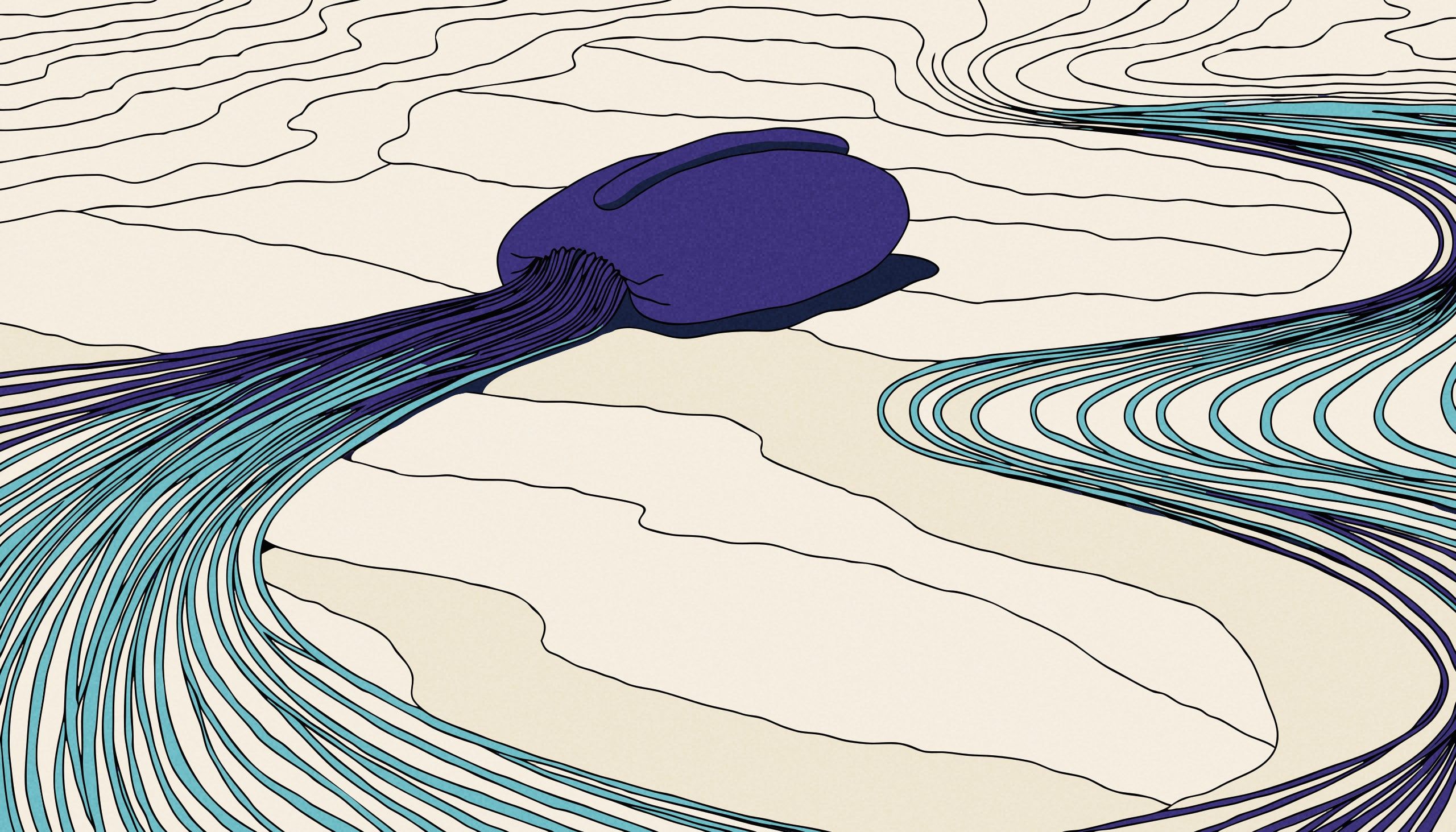
A stretch of wet sand seen from above: a small elongated blue-violet pouch lying flat, and long fine threads running from one end of it across the whole lower half of the frame.
Corallis : Seas · Oceans

Why does a beached Portuguese man o' war still sting?

The sting depends on neither the animal's life nor its will: each cell is a pre-loaded mechanism that fires on contact, even weeks after beaching.

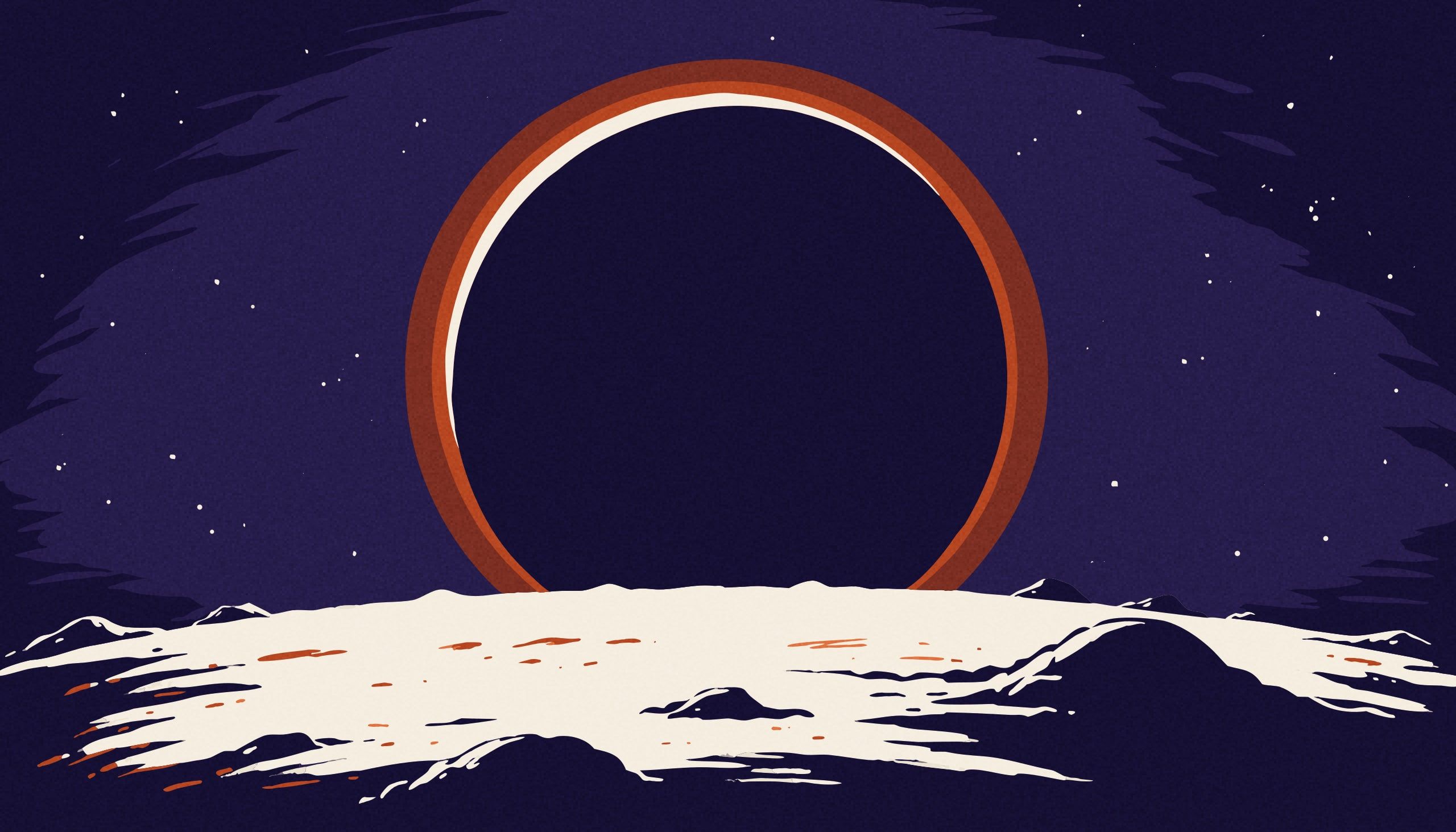
Seen from the lunar surface: Earth as a perfectly black disc, ringed by a thin band of copper light, the only source lighting the ground in the foreground.
Cosmira : Space · Cosmos

Why does the Moon turn red during an eclipse?

Earth's atmosphere scatters blue light and bends red into the shadow. The eclipsed Moon glows with every sunset on the planet at once.

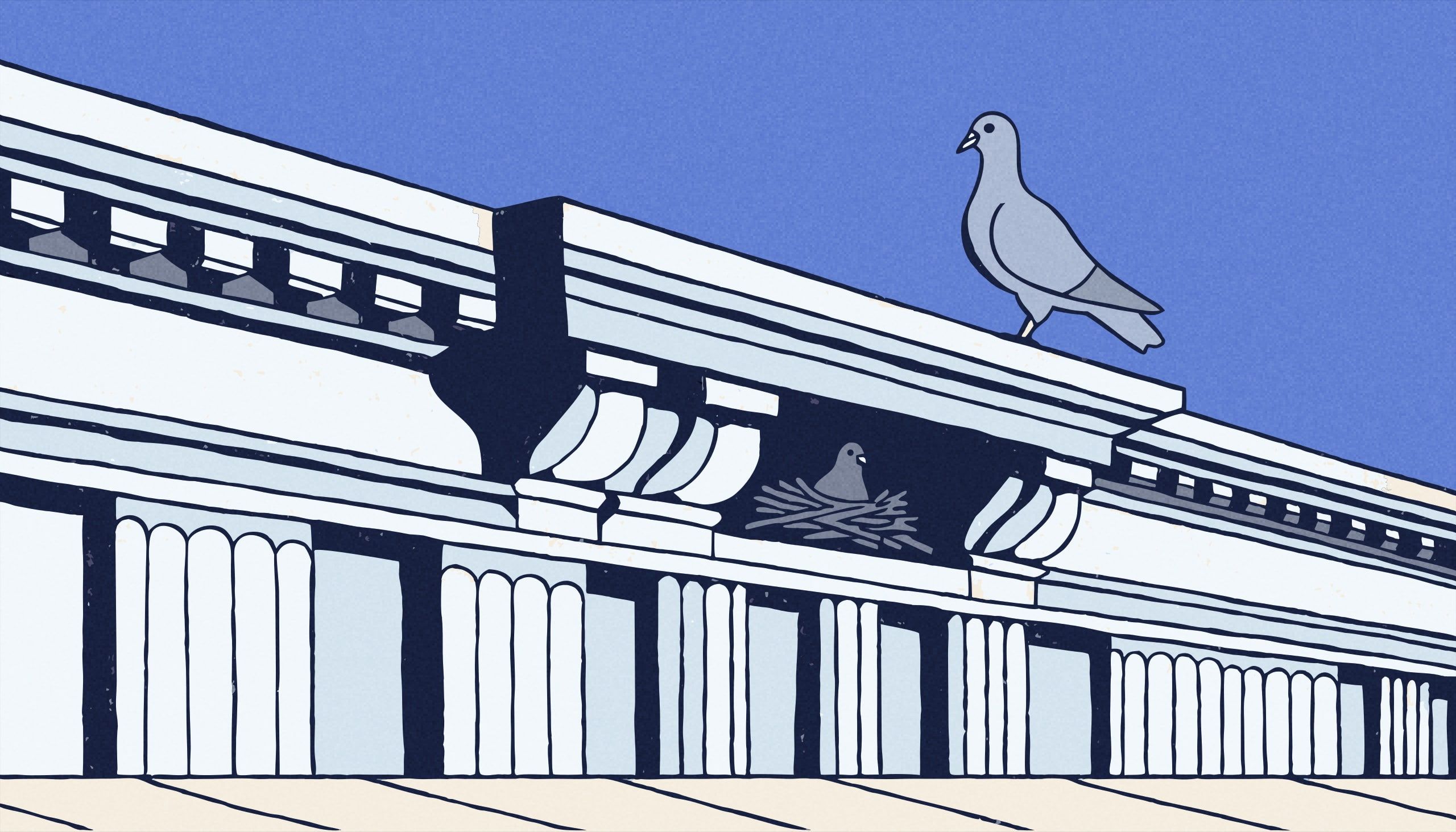
An adult pigeon stands on a building cornice; below it, in the shadowed recess, an almost invisible squab sits in a nest of twigs.
Plumaire : Birds · Sky

Why do we never see baby pigeons?

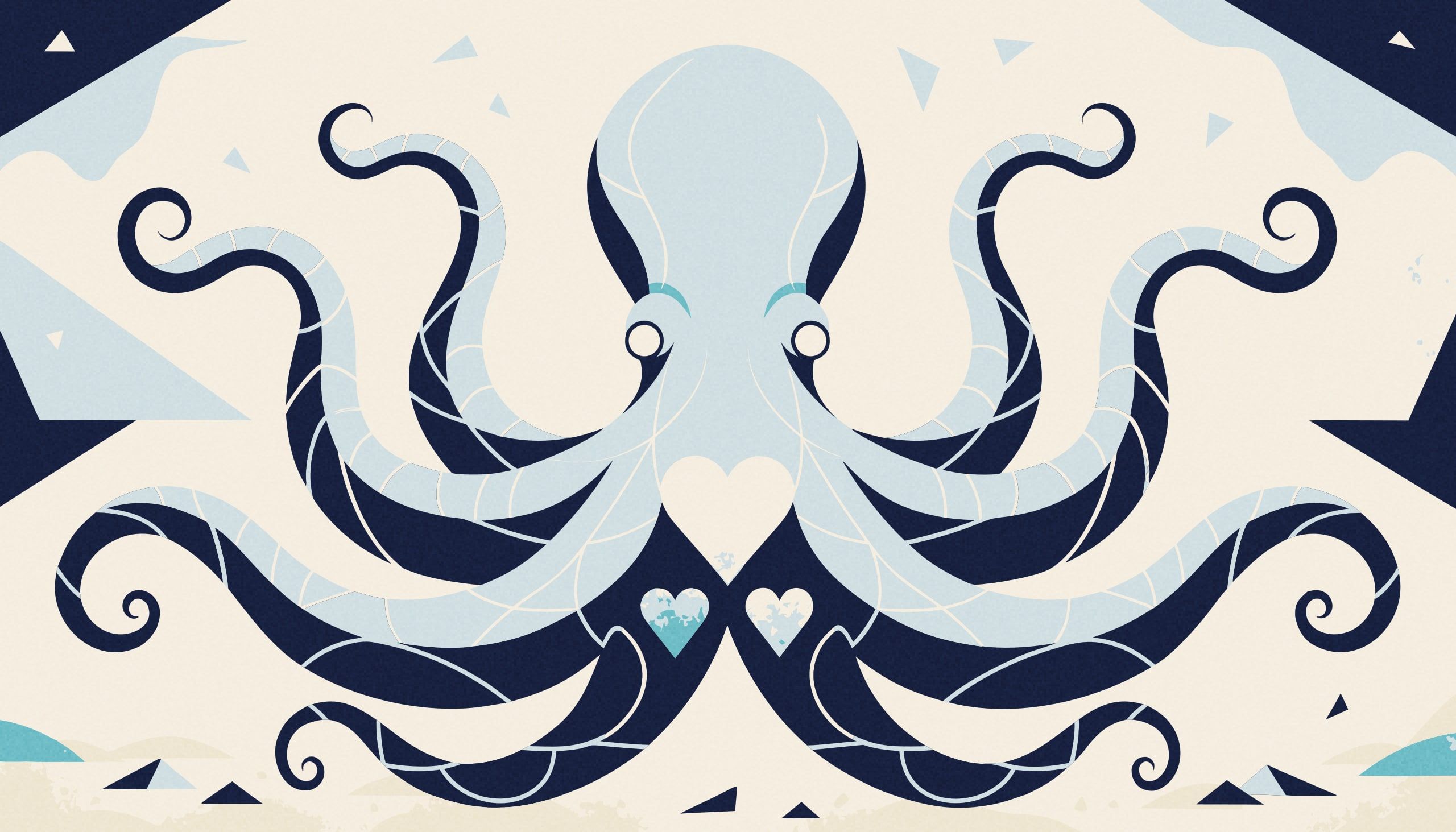
Three hearts and copper instead of iron: the octopus is built for cold water, and its blue blood flows under the sea.
Corallis : Seas · Oceans

Why do octopuses have three hearts and blue blood?

Three hearts, copper instead of iron, and one heart that stops the moment it swims. The octopus solved a problem our own blood gets around another way.

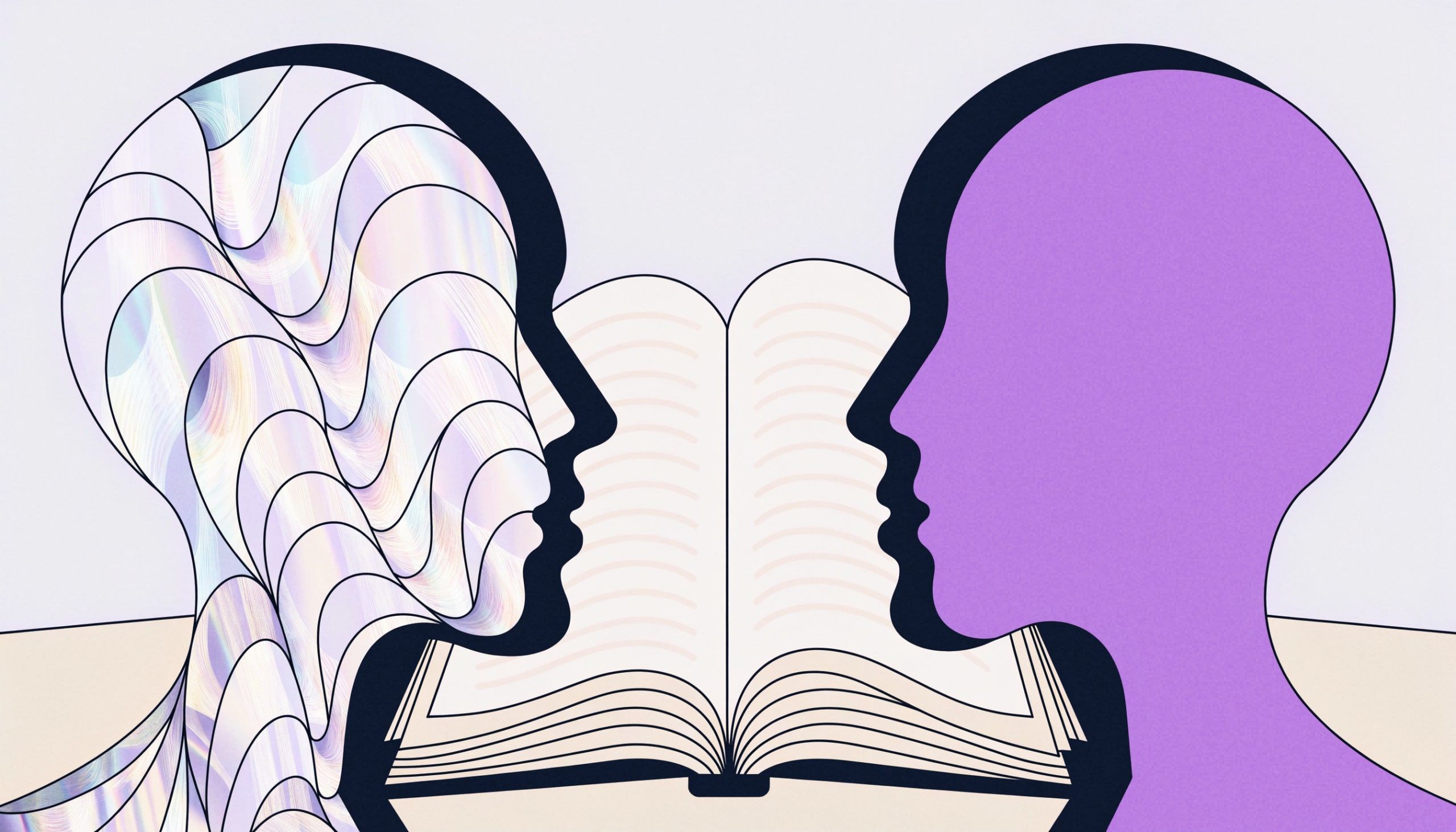
Eyes follow the words, but somewhere in the head, a voice speaks them. Not for everyone: a meaningful share of people read in complete silence, and they often only realise it when they discover others don't.
Lumera : Science · Body · Tech

Why do we hear an inner voice when we read?

Place electrodes on the throat of a silent reader and you pick up tiny contractions near the vocal cords. Reading is an act of speech turned inward.

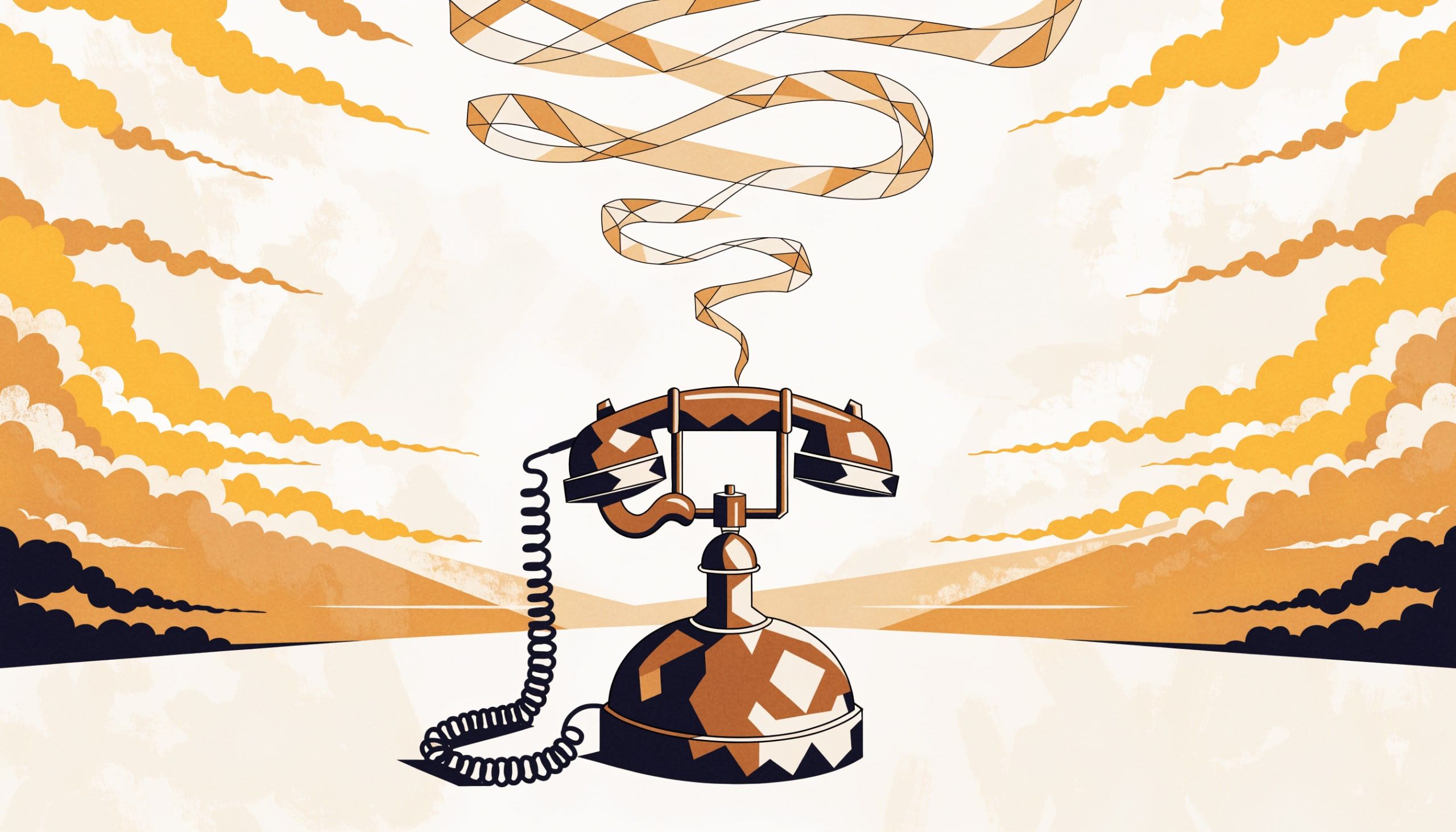
Edison wanted 'Hello'. Bell wanted 'Ahoy'. One of them won, and the word travelled the world, reaching French as 'allô'.
Evelie : We'd never thought about it

Why do we say "hello" when we pick up the phone?

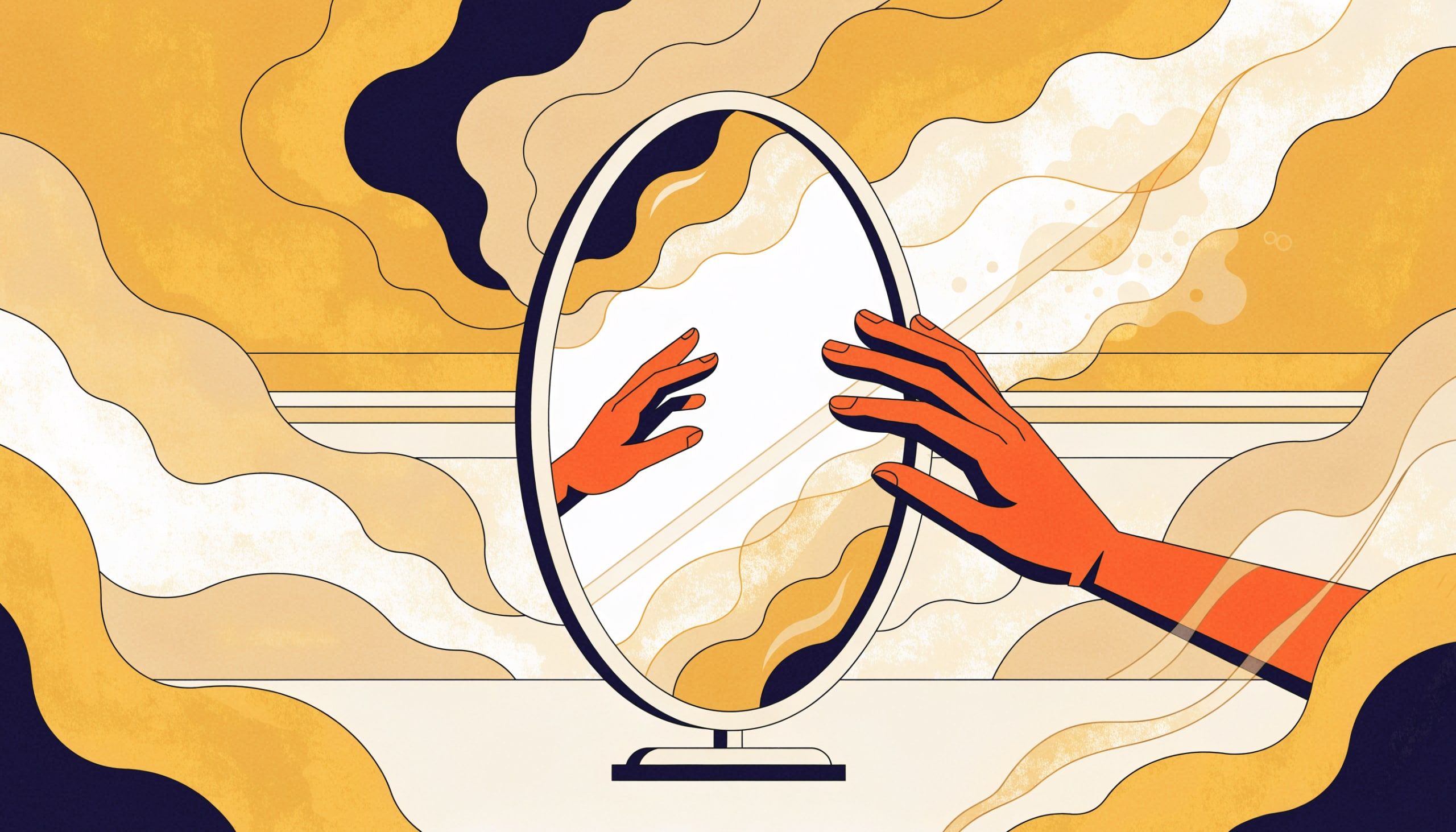
The mirror does nothing: our brain invents the reversal. A visual metaphor, not an optics diagram.
Evelie : We'd never thought about it

Why do mirrors flip left and right but not up and down?

Write a letter on a transparent sheet and press it to the glass. Nothing shifts left or right. The only axis a mirror flips is the one running from you to it.

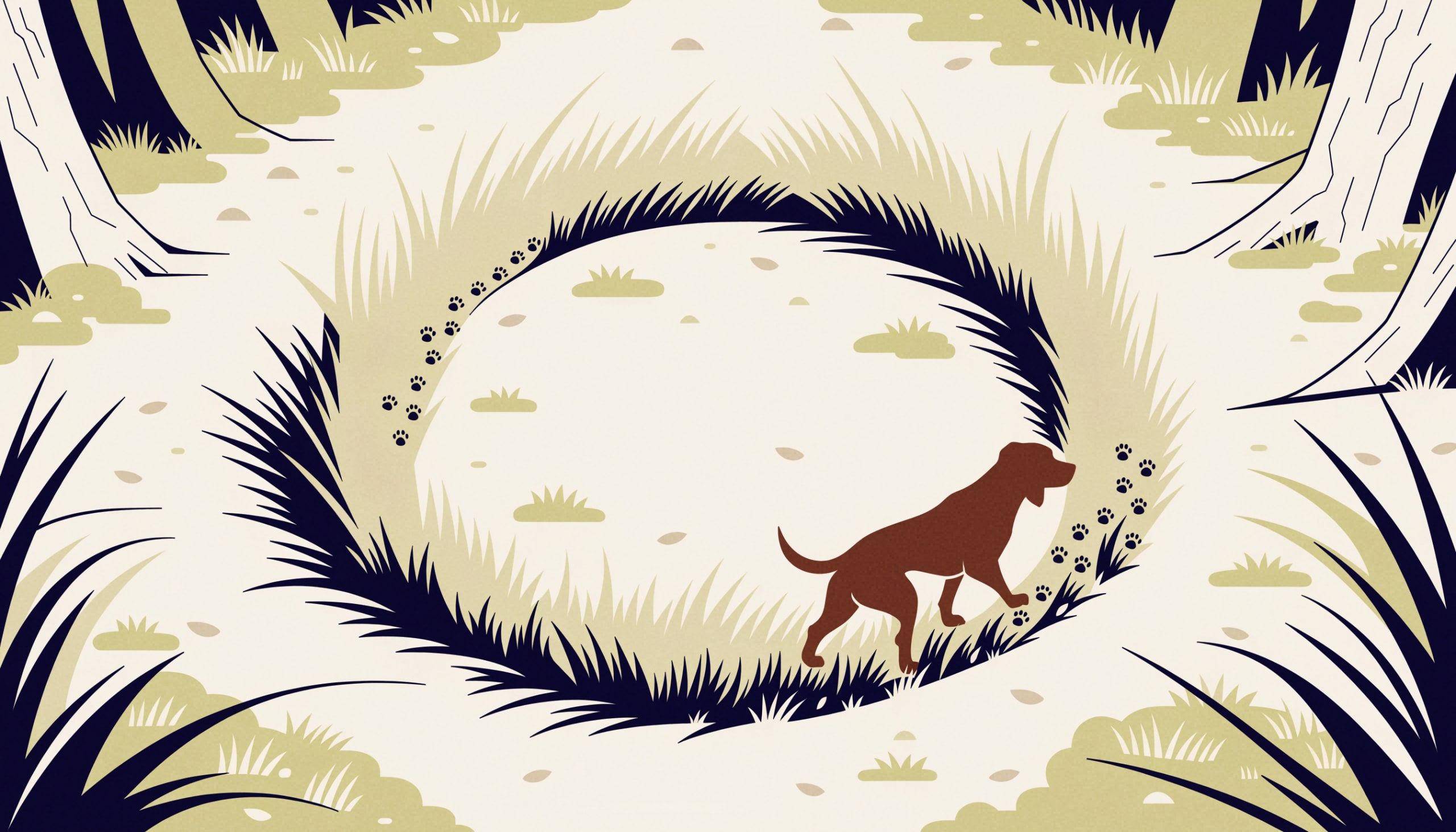
An old habit borrowed from wolves: flatten the grass, scare off whatever might bite, sniff the wind, and the gesture survives even on a parquet floor where none of it makes sense anymore.
Sylvora : Nature · Animals

Why do dogs circle before lying down?

A wolf trampled the grass flat and turned its nose into the wind before sleeping. The dog repeats the same circle on a parquet floor where none of it applies.

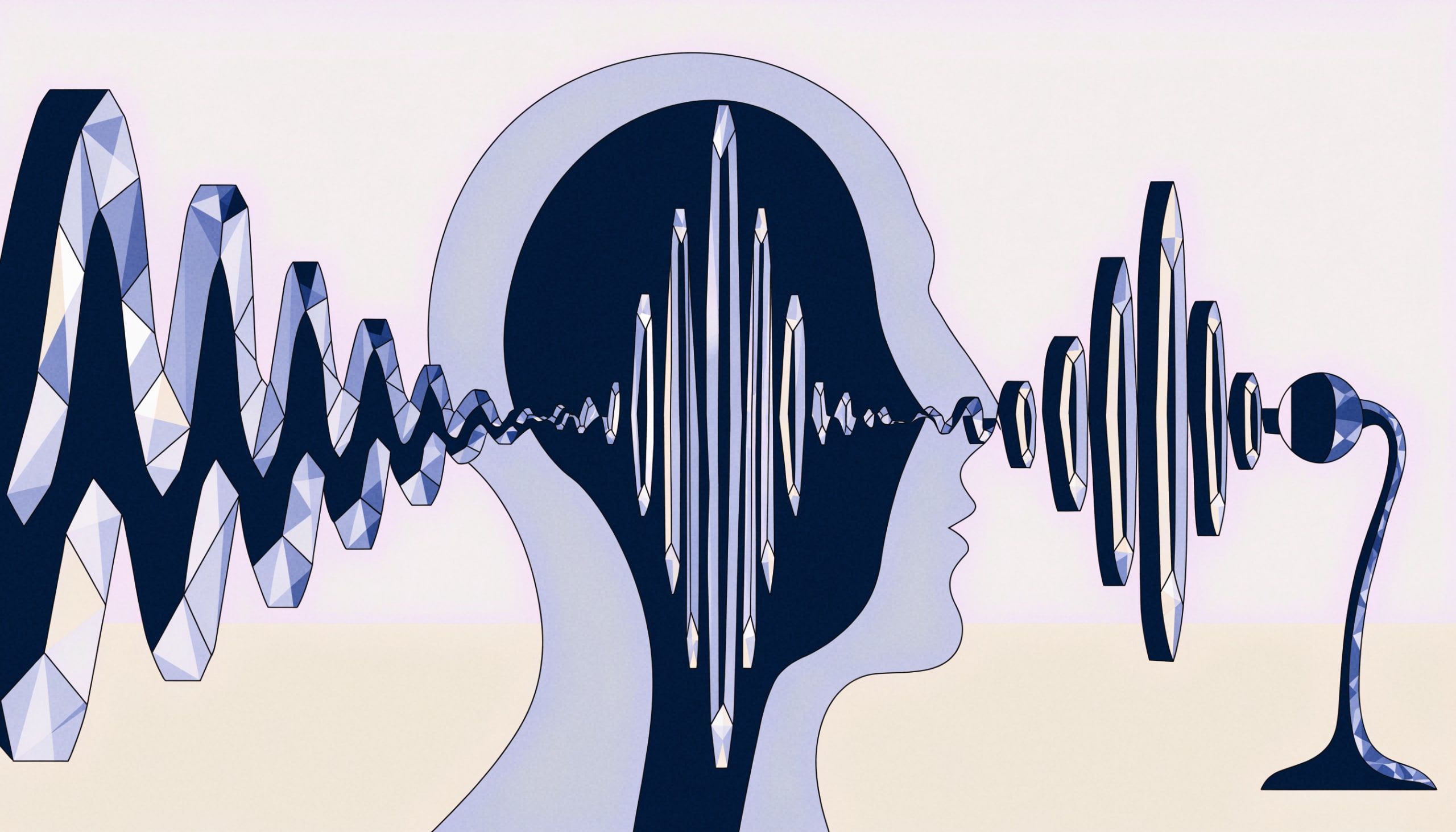
When you speak, you hear two voices at once: one through the air, one vibrating through your skull. A recording only keeps the first.
Lumera : Science · Body · Tech

Why does your own voice sound strange when you hear it recorded?

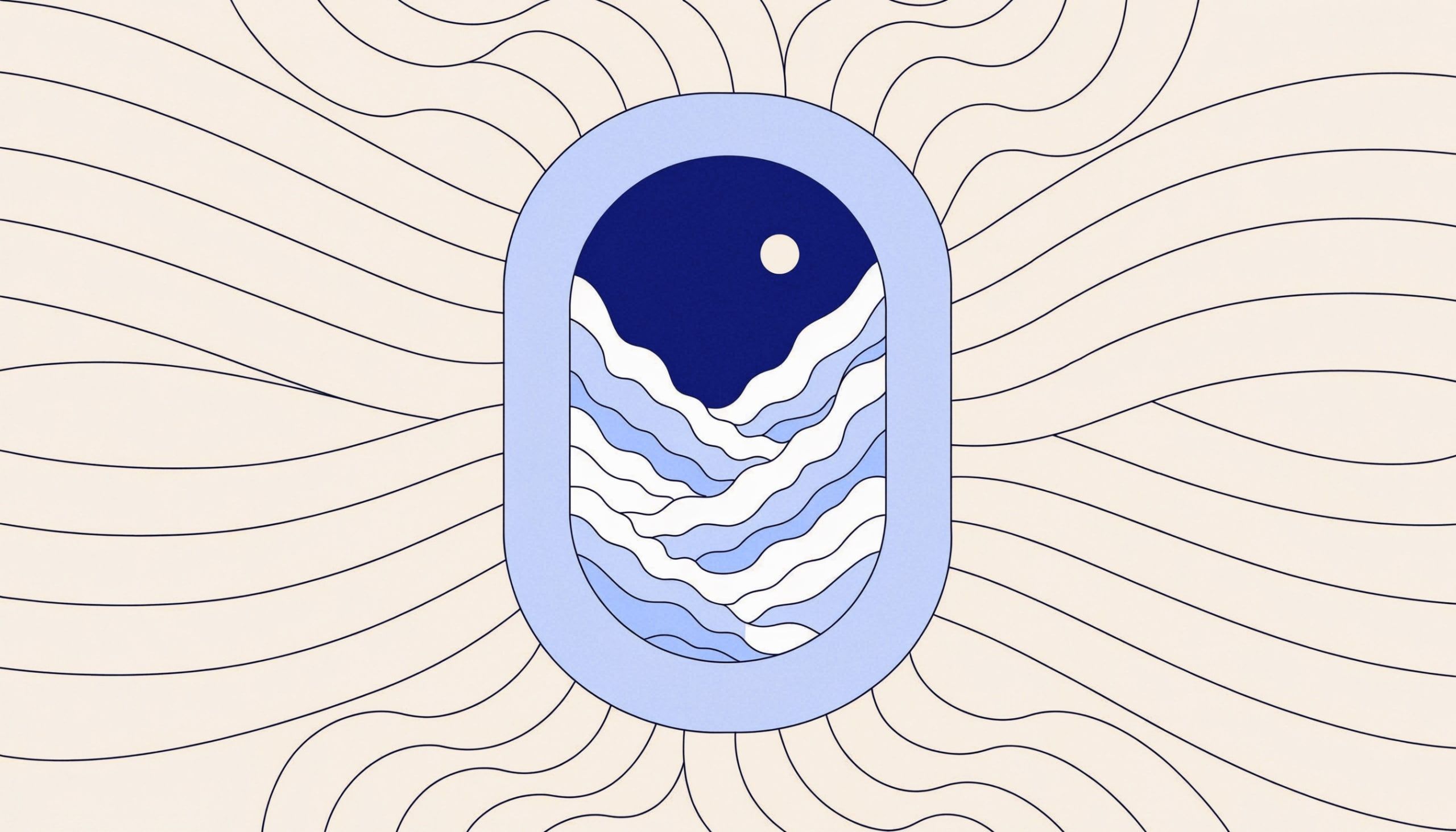
The first pressurised airliners had nearly square windows. Two came apart in mid-flight in 1954: a corner concentrates stress where a curve disperses it.
Plumaire : Birds · Sky

Why are aircraft windows round?

A whole Comet fuselage was sunk in a water tank and pressurised 3,000 times before the metal split. The crack started at the corner of a window.

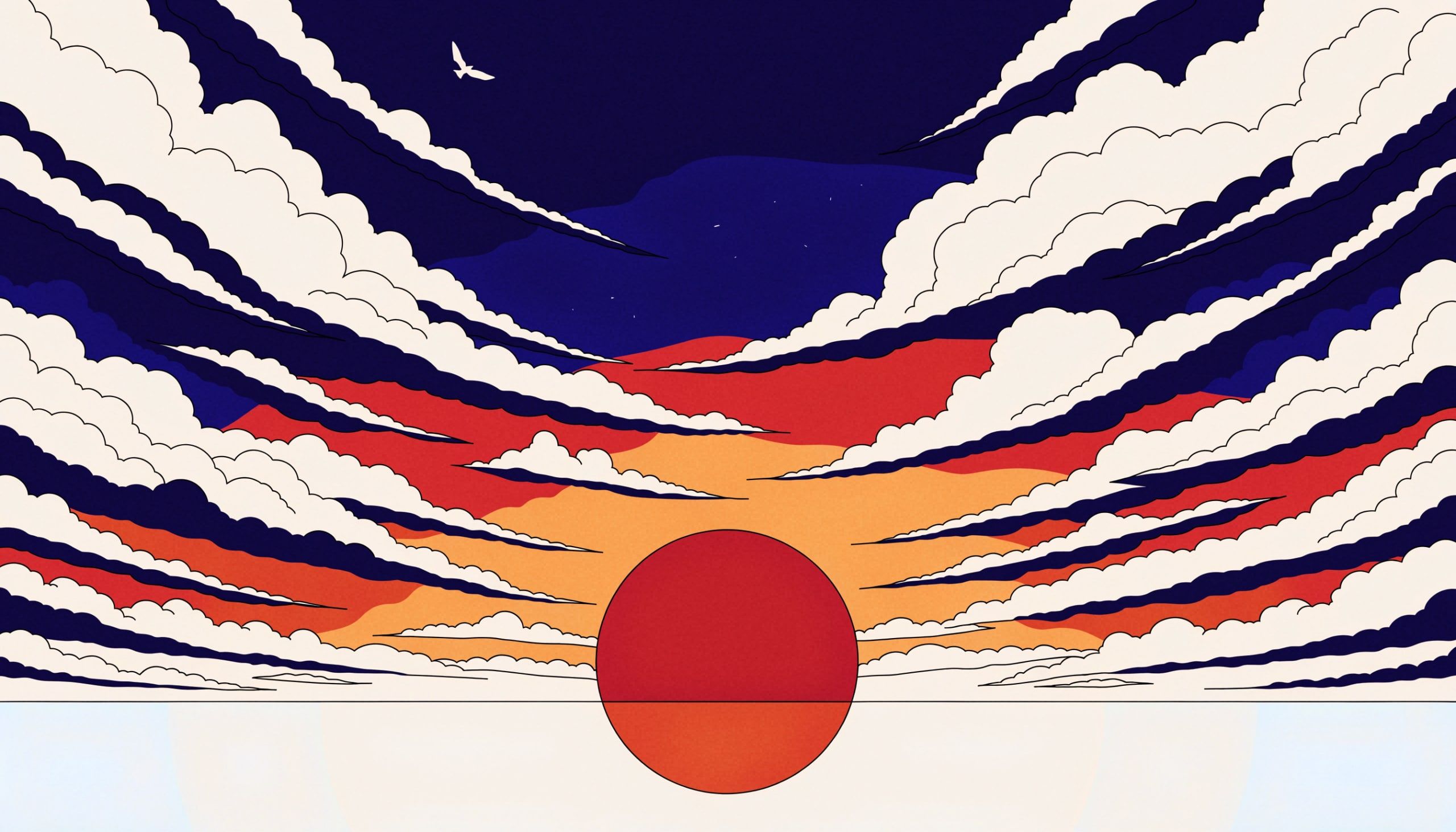
When the sun sinks, its light has to push through far more atmosphere to reach us. The blue scatters away on the way; the red survives. The sky doesn't change: the path lengthens.
Cosmira : Space · Cosmos

Why are sunsets red?

Air scatters blue five to ten times more strongly than red, a law the future Lord Rayleigh described in 1871. At dusk, the light's grazing path leaves only the red.

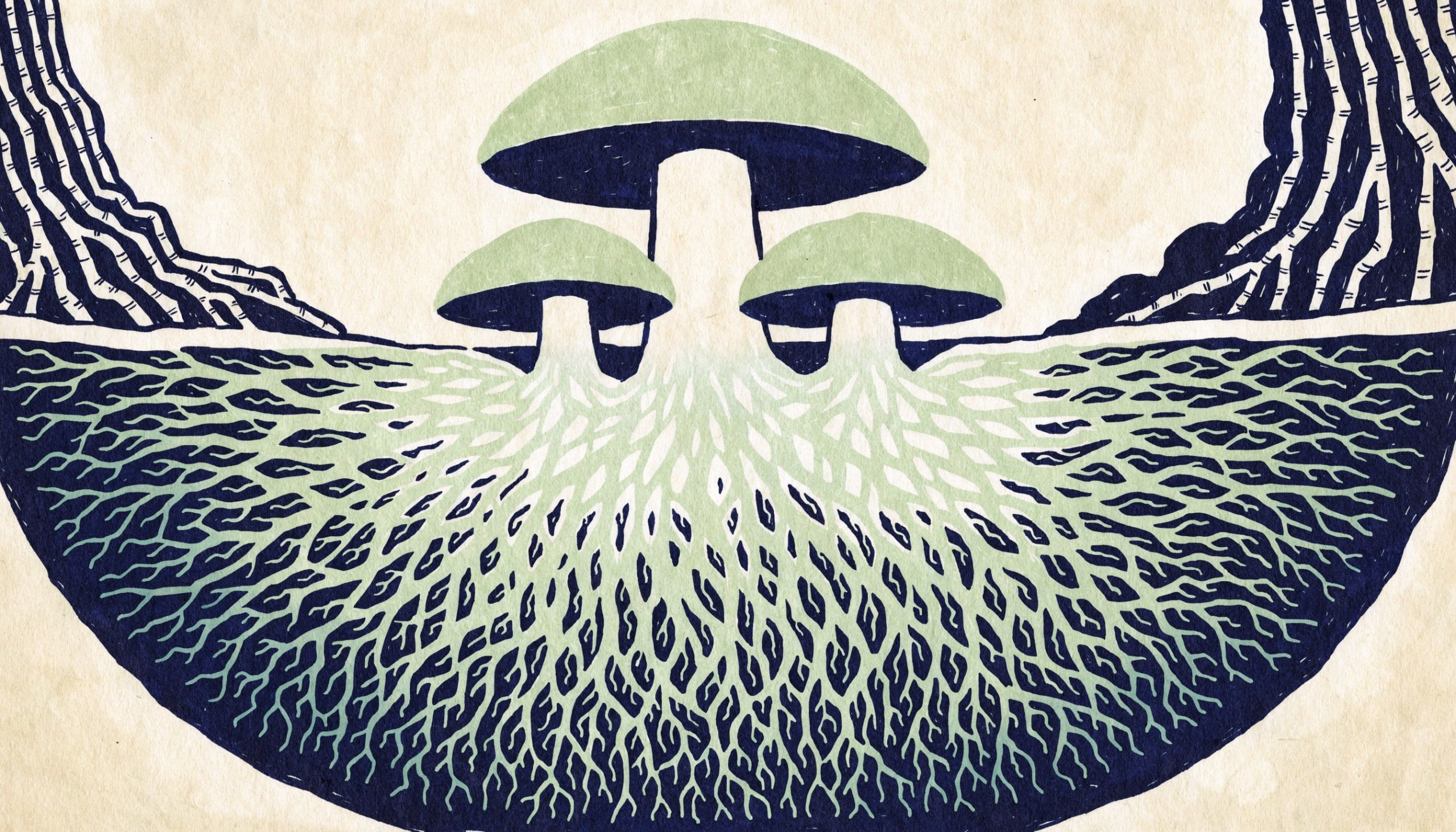
They don't photosynthesise, they have no digestive tract, and their DNA places them in a kingdom of their own, closer to us than to any tree.
Sylvora : Nature · Animals

Why aren't fungi plants or animals?

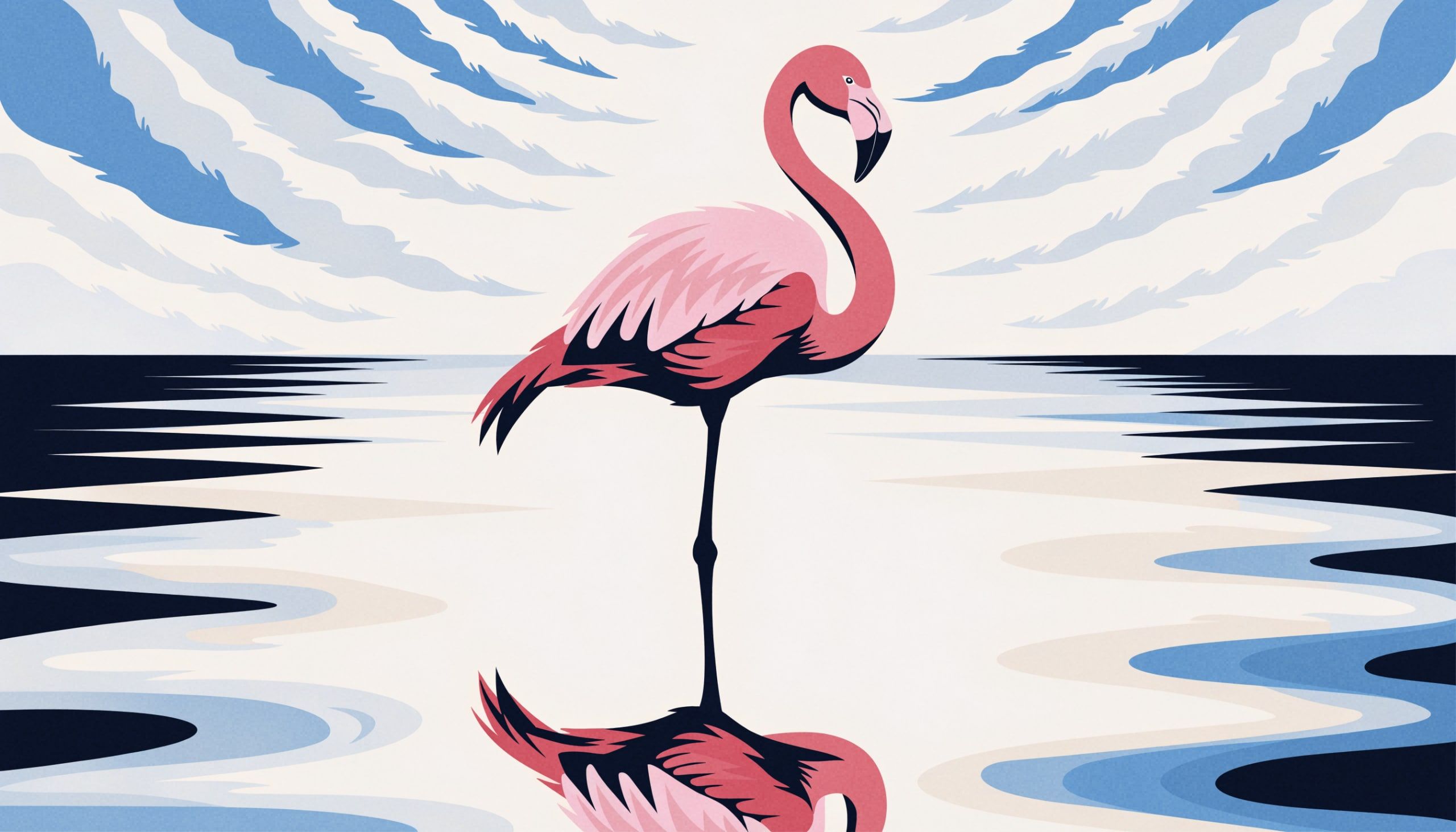
Neither a whim nor an exercise: the posture saves heat, and a passive joint mechanism lets the bird stand effortlessly, even asleep.
Plumaire : Birds · Sky

Why do flamingos stand on one leg?

Captive flamingos stand on one leg more often the colder it gets, and come down on two when it warms. The tucked leg works like a hand in a pocket.
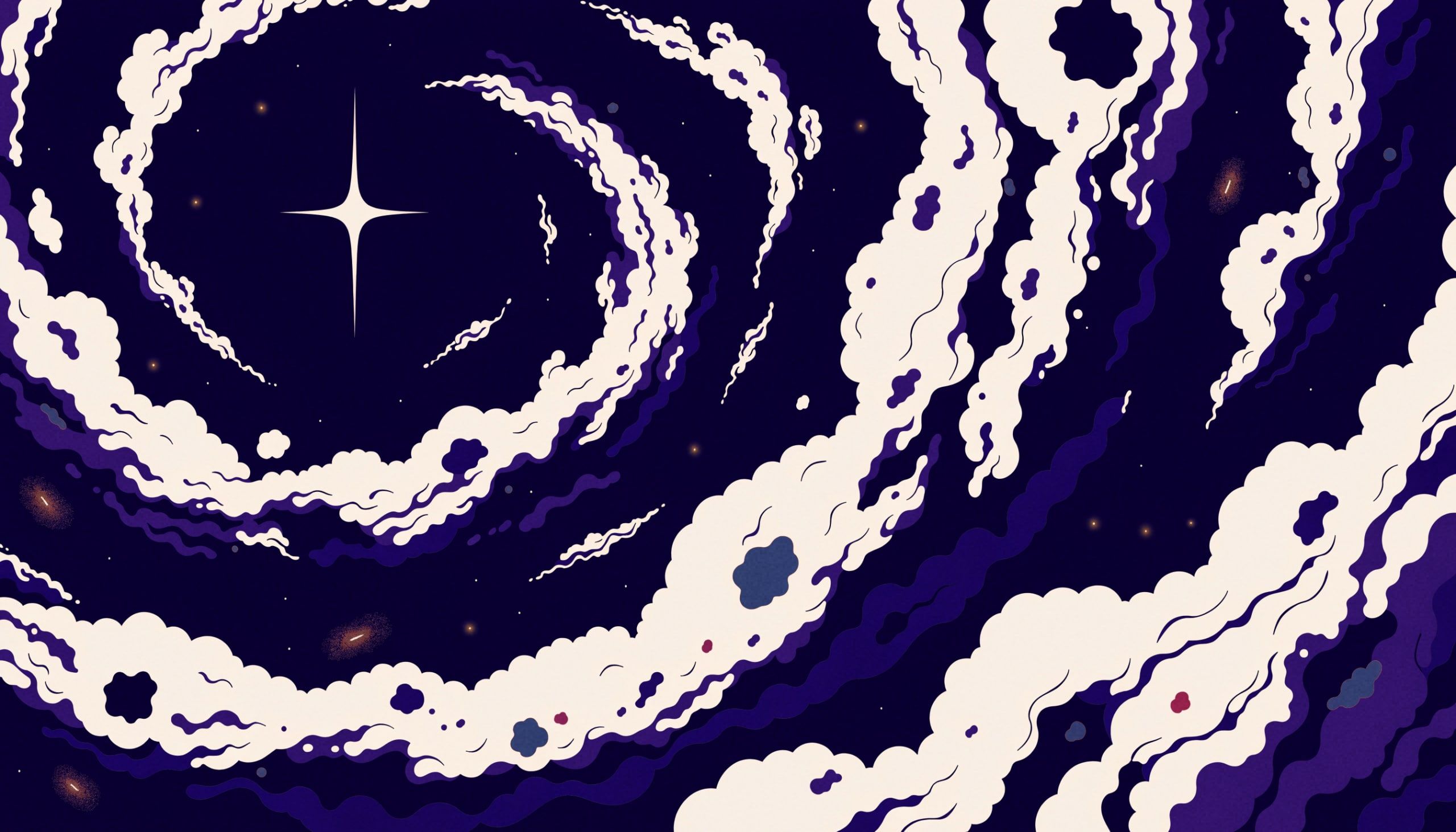
Olbers' paradox: the universe has an age, light from the most distant stars hasn't had time to reach us, and the light that does is stretched into the invisible.
Cosmira : Space · Cosmos

Why is the sky dark at night?

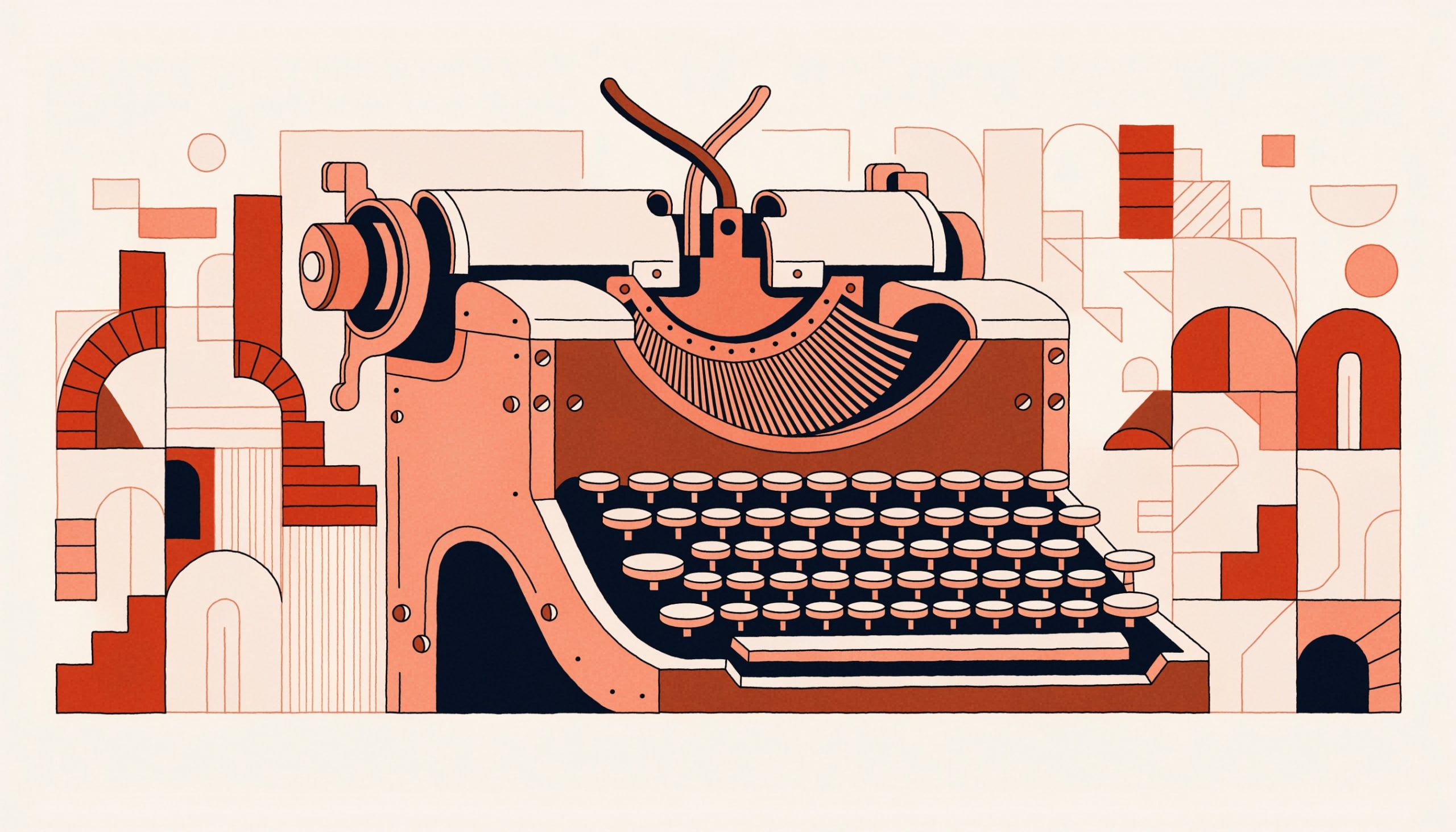
An engineering decision made in 1873 on a long-dead mechanical machine. No one ever undid it, because millions of fingers had already learned it.
Chroneve : History · Time

Why isn't the keyboard in alphabetical order?

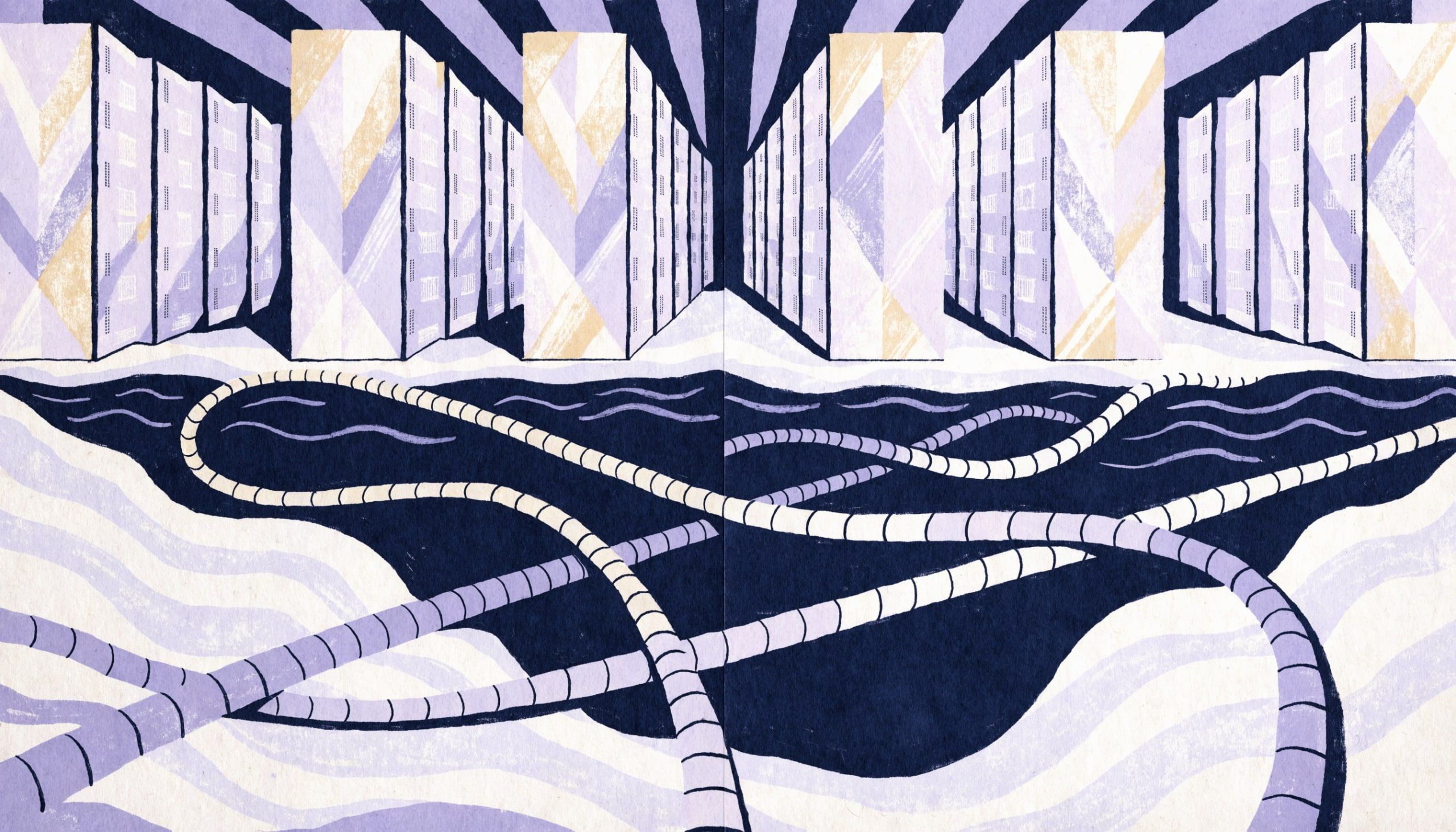
Not in the sky, not in a cloud. In climate-controlled warehouses and on the ocean floor: 1.5 million km of cables and millions of servers.
Lumera : Science · Body · Tech

Why isn't the internet in the sky?

Newsletter

One question every Sunday, in your inbox.

Unsubscribe in one click, no spam ever. By subscribing, you agree to our privacy policy.

Almost there: check your inbox to confirm your subscription.

Quarelia

All the whys, in one place.

Explore

  • The 8 universes
  • Oddities
  • All archives

Themes

  • Animals
  • Sky & space
  • Body & brain
  • History & origins

About

  • Our approach
  • Newsletter
  • Contact

Follow

  • Instagram @quareliatv
  • TikTok @quareliatv
  • YouTube @quareliatv

© 2026 Quarelia. All rights reserved.

  • Legal notice
  • Privacy

Made with curiosity