Nature · Animaux
← All universes

Sylvora

Nature · Animals

  • animals
  • plants
  • forest
  • behaviors
  • living world

About this universe

Sylvora is the wide clearing where animals and leaves keep their secrets. Here you learn why dogs circle before lying down, why cats purr, or why fungi are neither plant nor animal. And when a shiver runs across your skin, that's still an animal speaking inside you.
The whys of this universe

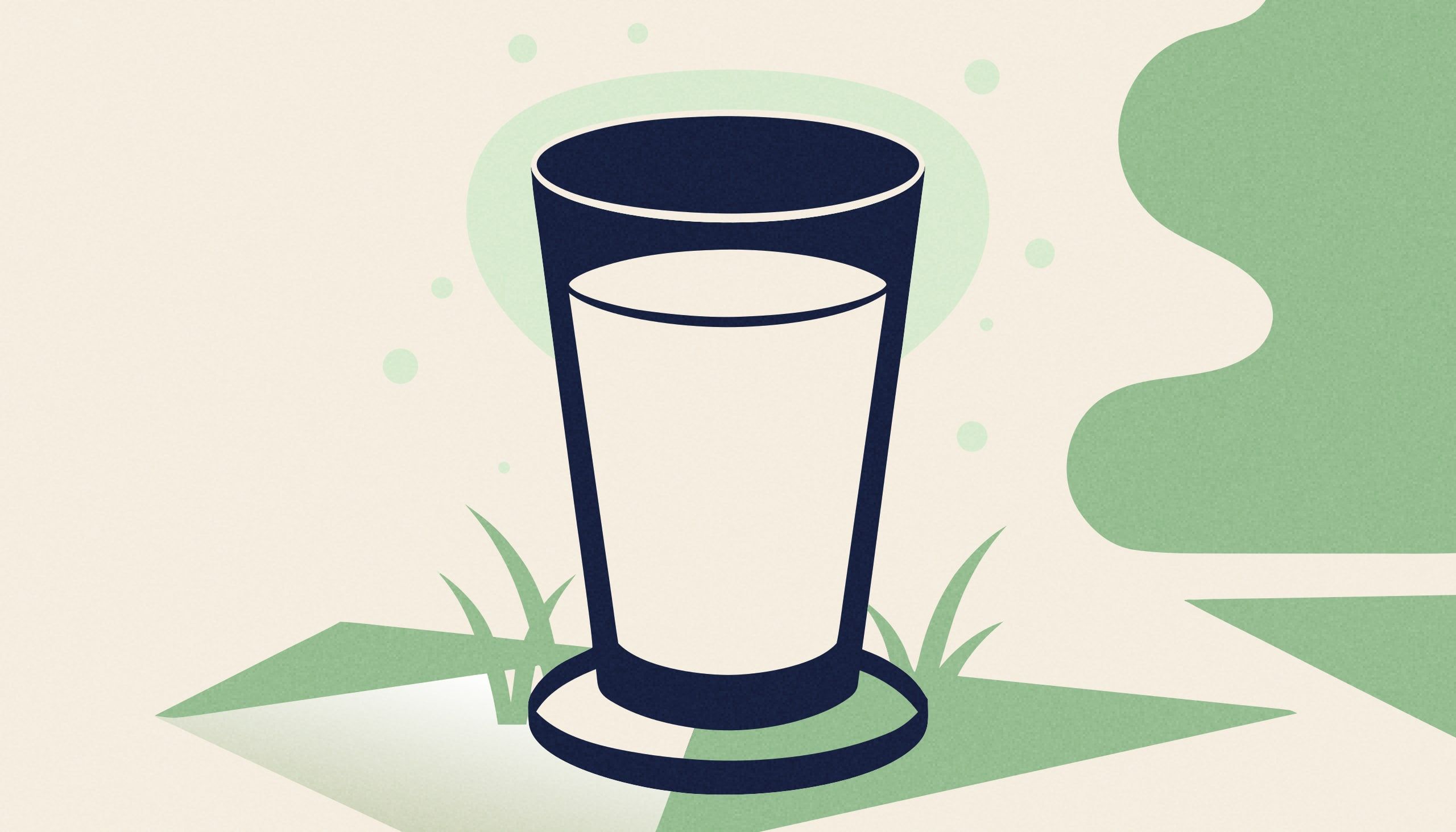
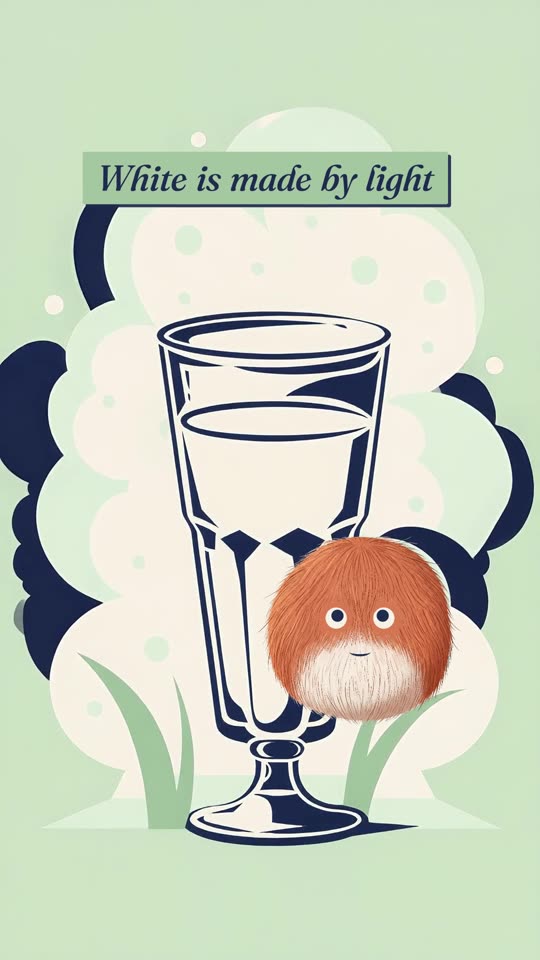
  1. A tall glass of creamy-white milk with a navy outline, centered on a mint-green background; a cream halo and a few cream dots surround it like light bouncing, and two blades of green grass stand at the foot of the glass.

    Why is milk white?

    Because its fat droplets and protein grains throw all the light back in every direction, without favoring any single color. Skim the fat off and the white thins to a bluish translucence; concentrate it into butter and the carotene from the grass finally shows through, yellow.

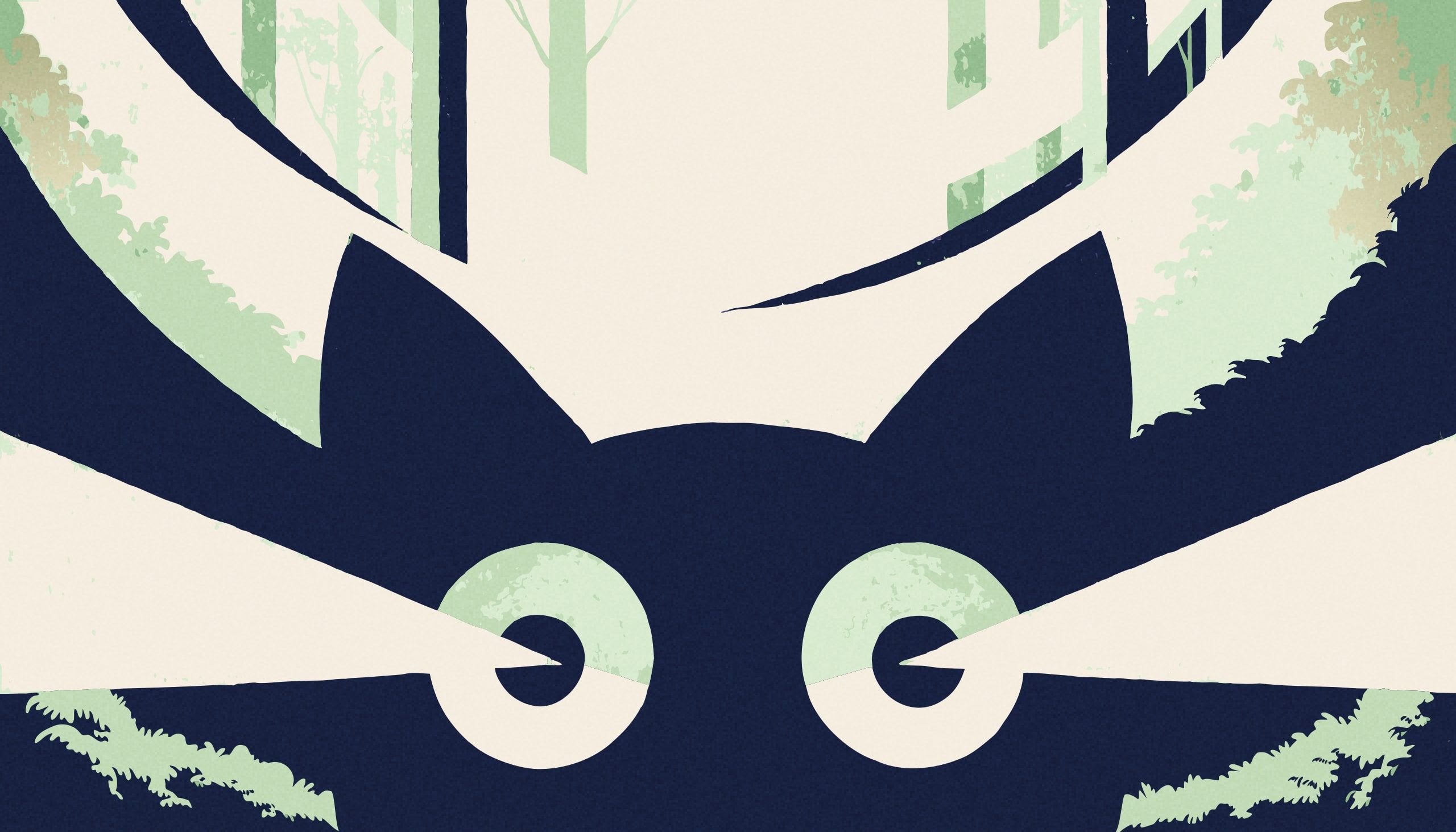
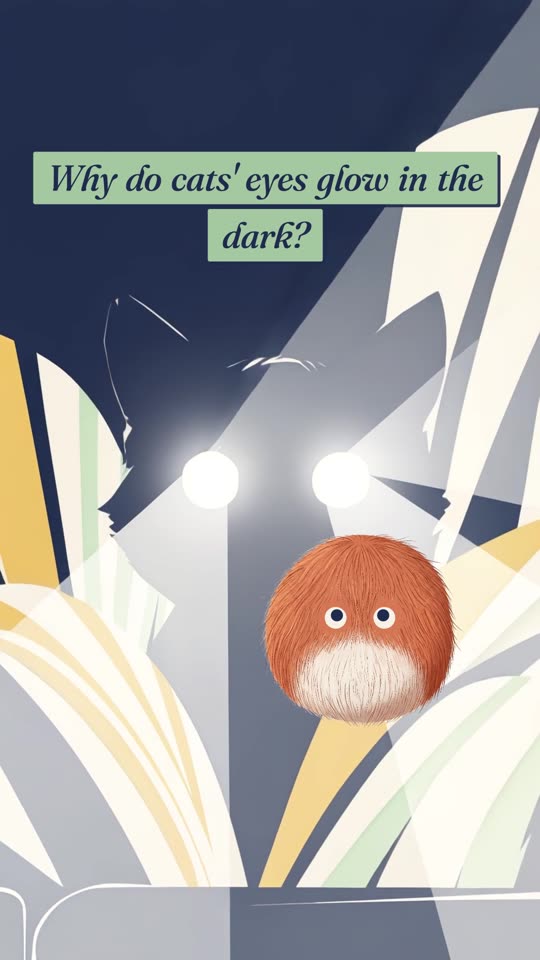
  2. A stylised cat's head emerges from the gloom of a forest; its two big round eyes glow green and bounce the beam of light striking them back toward us.

    Why do cats' eyes glow in the dark?

    Because a mirror at the back of their eye, the tapetum lucidum, sends light a second time toward the cells that catch it. The mirror has a price: the light it bounces scatters a little, so the cat sees in the dark through a faint blur we don't have.

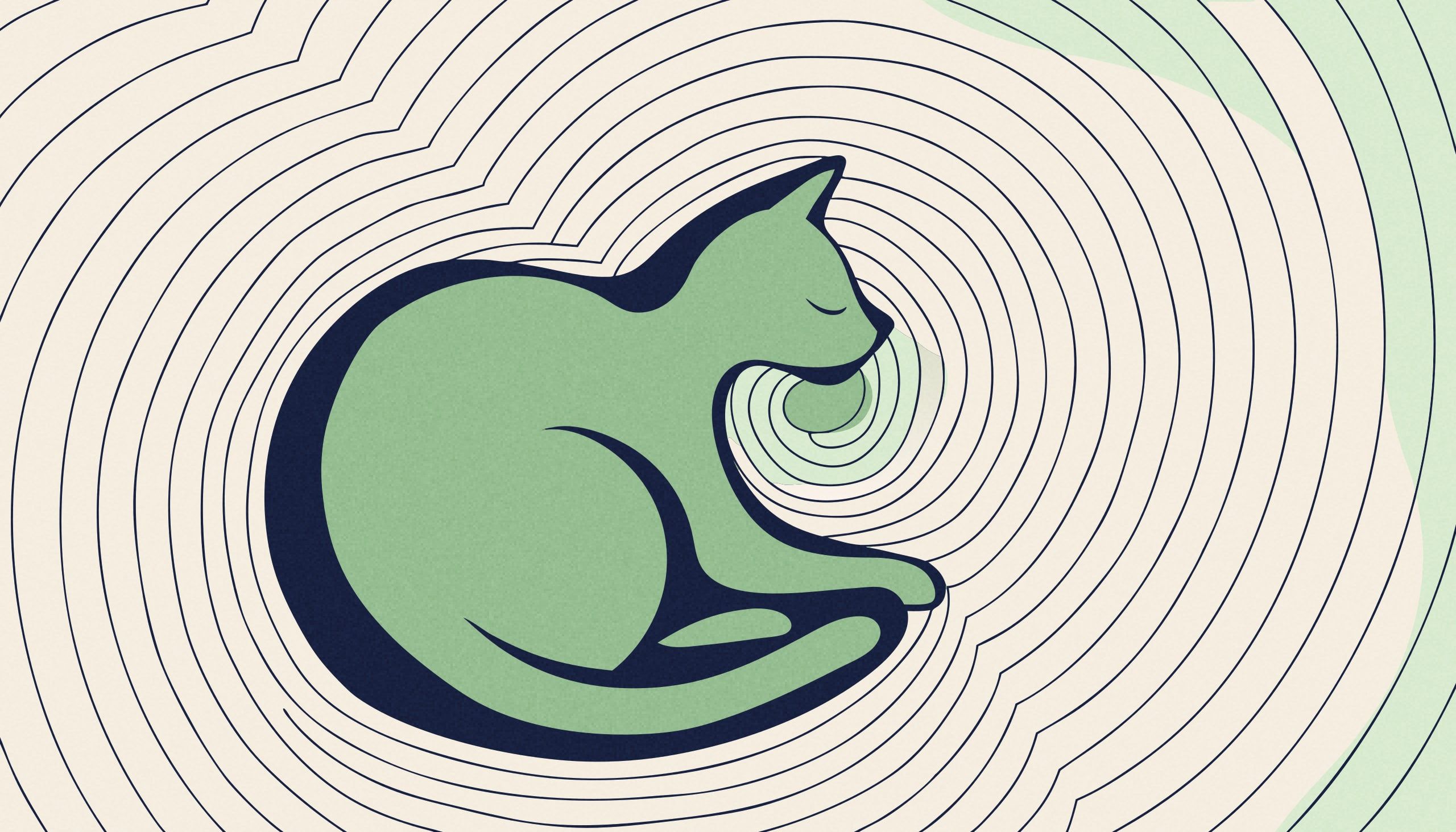
  3. Sylvora — Why do cats purr?

    Why do cats purr?

    Purring comes from the larynx, which makes the passing air vibrate; cats use it to calm themselves, to ask for things, and perhaps to heal.

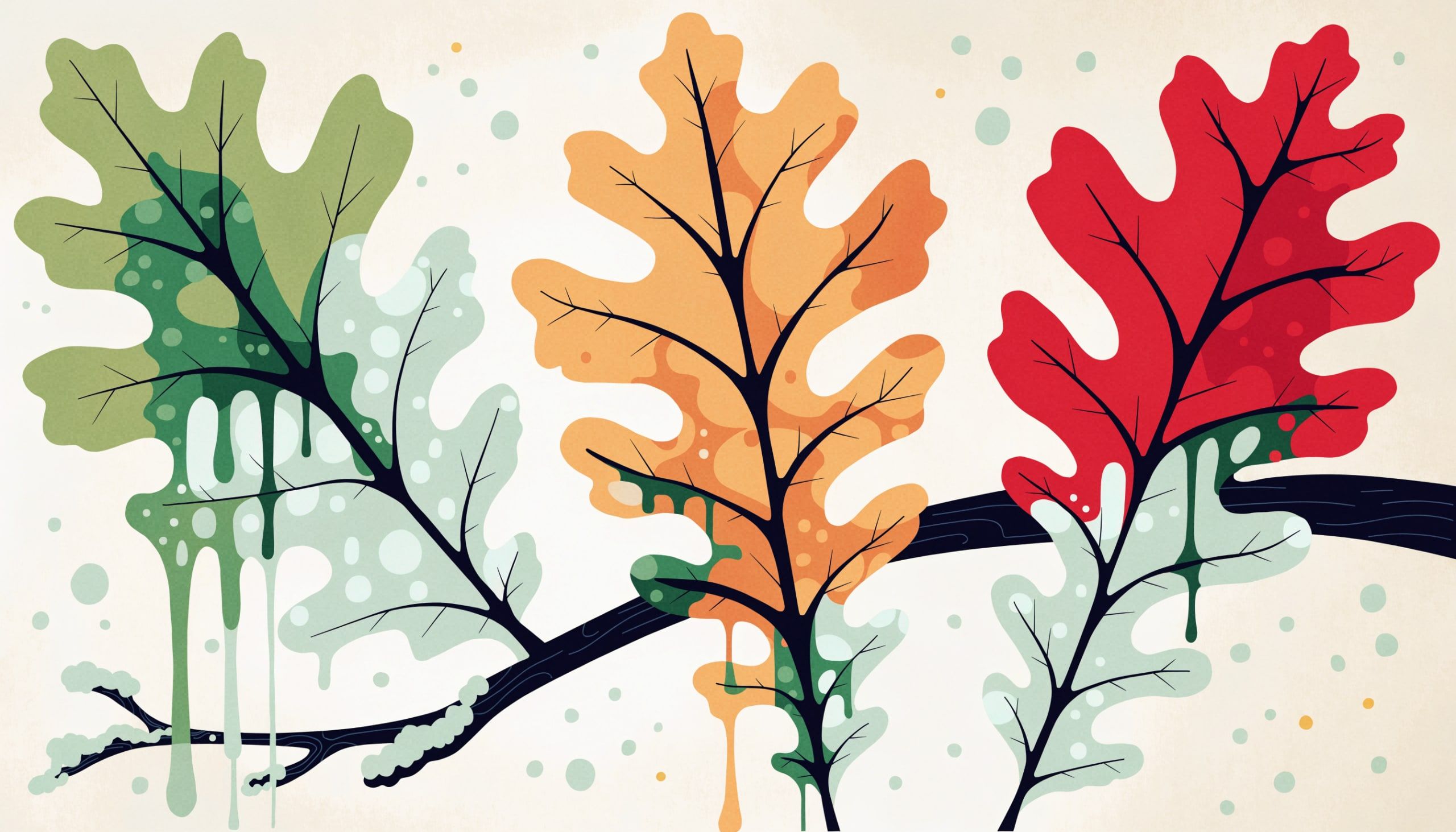
  4. When the tree shuts down its chlorophyll, the yellows it had been hiding finally show, and a few species build a brand-new red before the leaf falls.

    Why do leaves turn red in autumn?

    Because once a tree stops making chlorophyll, the yellows hiding underneath finally show, and certain species also build a brand-new red just before letting their leaves go. What that red is for, nobody has settled. Sunscreen for a leaf still emptying itself, or a deterrent for insects looking for somewhere to lay eggs.

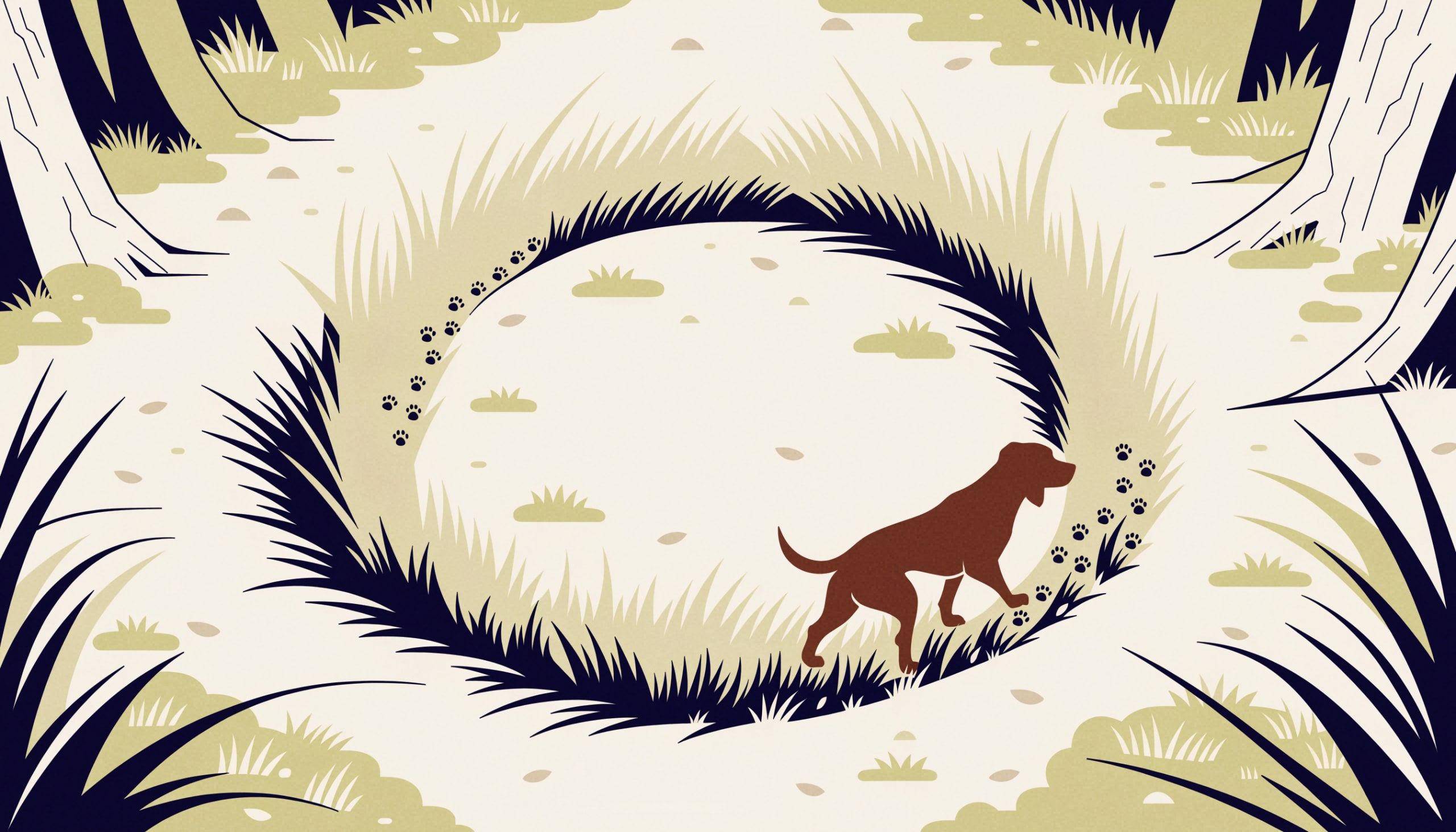
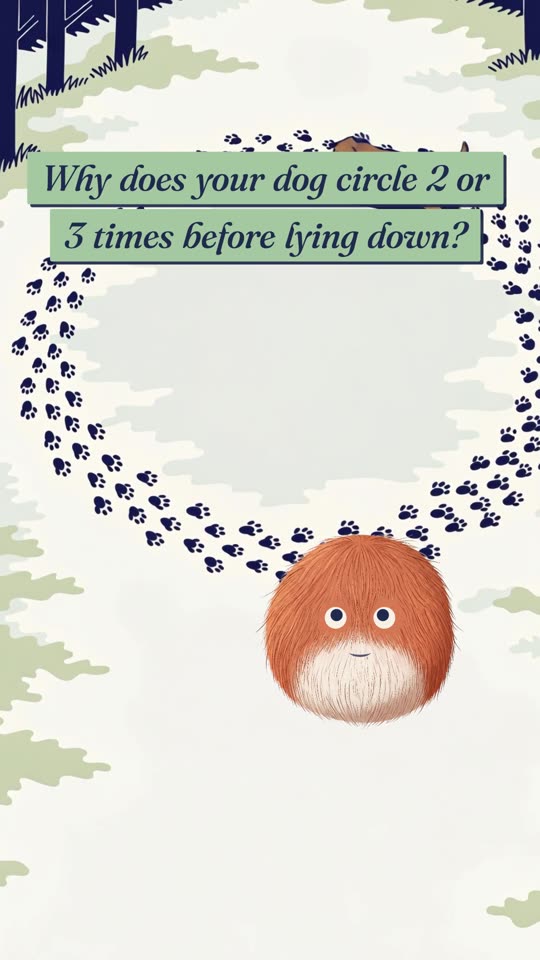
  5. An old habit borrowed from wolves: flatten the grass, scare off whatever might bite, sniff the wind, and the gesture survives even on a parquet floor where none of it makes sense anymore.

    Why do dogs circle before lying down?

    Because it's a leftover from their wolf ancestors: turning in circles flattened the grass, hollowed out a sleeping spot, scared off insects and snakes, and let the dog face into the wind. Indoors the need is gone, but the loop still settles which patch of floor is warmer, and, in a pack, who sleeps against whose back.

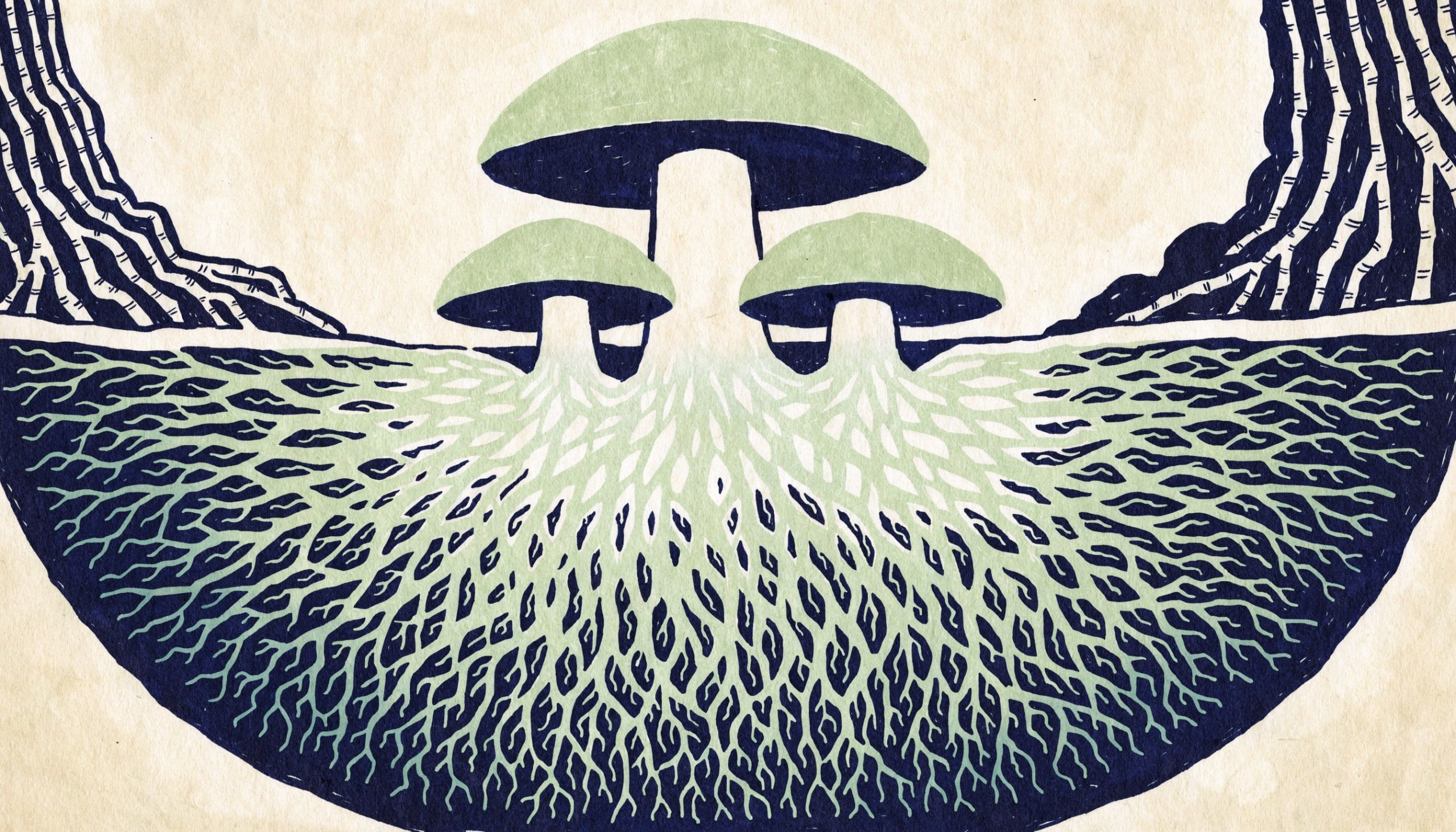
  6. They don't photosynthesise, they have no digestive tract, and their DNA places them in a kingdom of their own, closer to us than to any tree.

    Why aren't fungi plants or animals?

    Because they don't photosynthesise like plants and have no digestive system like animals, and their DNA places them in a kingdom of their own, closer to us than to any tree.

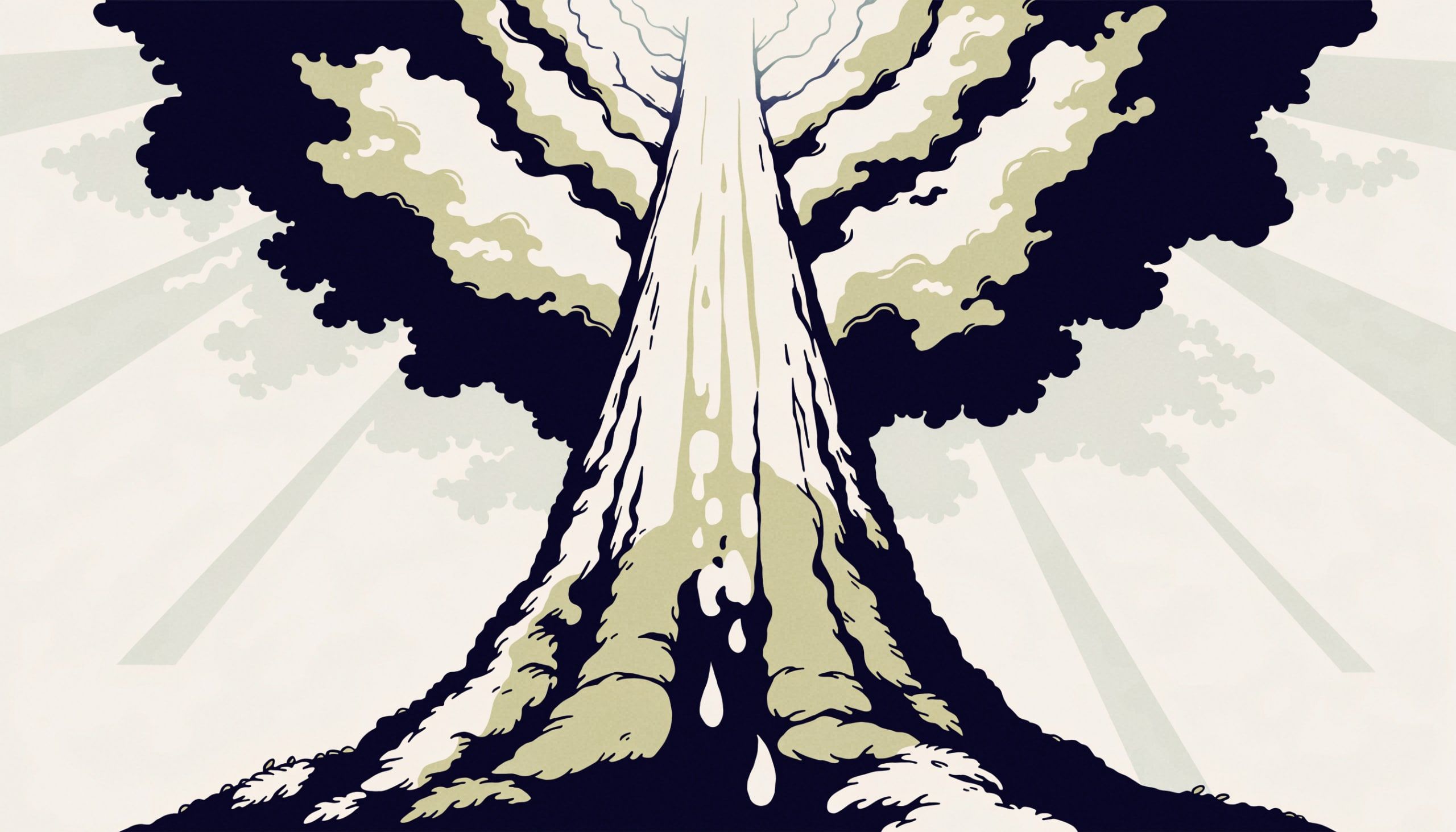
  7. Past a certain height, a tree can no longer pull water all the way up to its leaves: the liquid breaks inside its channels before it reaches the crown.

    Why don't trees grow infinitely tall?

    Past a certain height, a tree can no longer lift water to its highest leaves: the column of water snaps inside its channels before it reaches the crown. Redwoods, Tasmanian mountain ash and Douglas firs are unrelated and grow oceans apart, yet all three stop just short of the same ceiling, somewhere around a hundred metres.