
About this universe
Chronève is the corridor where the past refuses to pass. Here you find why the keyboard isn't in alphabetical order, why the Vikings reached America five centuries before Columbus, or why empires always end up collapsing. Many of our certainties are just old habits left in place, like the very way we cut the week into seven.

The whys of this universe
-
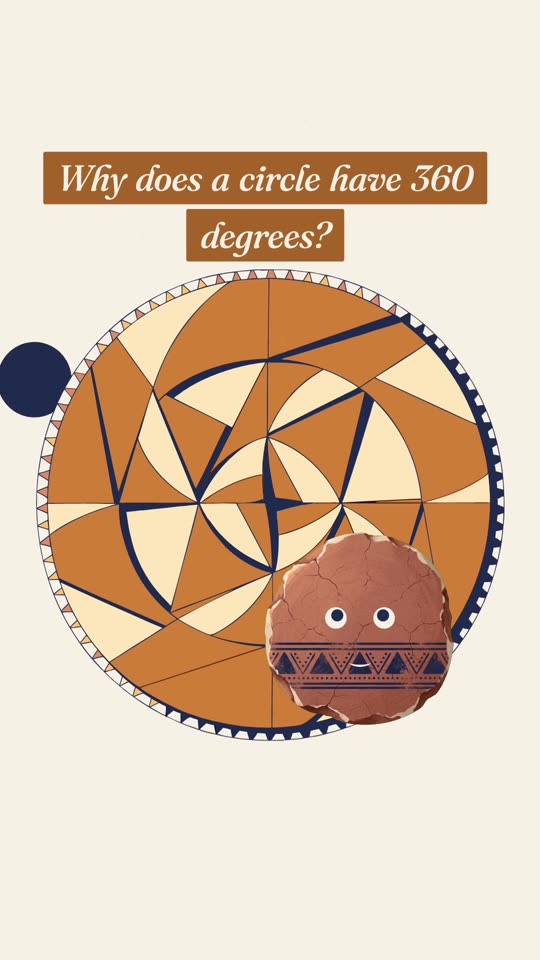
Why does a circle have 360 degrees?
Because the astronomers of Babylon counted in base 60, a system that splits the circle into an easy-to-share number, and the figure crossed four thousand years unchanged.
-
Why did the Vikings reach America nearly 500 years before Christopher Columbus?
Because the Vikings sailed westward in stages (Norway, Iceland, Greenland, then America), guided by currents, prevailing winds, and oral knowledge, long before Columbus charted his course.
-
Why do we talk about "left" and "right" in politics?
Because at France's National Assembly in 1789, the king's supporters sat to the right of the presiding officer and the revolutionaries to the left, and the word outlived the chambers and regimes that gave rise to it.
-
Why do empires always end up collapsing?
Because past a certain size, empires pay more for their own complexity than it returns, and because the same internal strains (too many elites, widening inequality, frozen institutions) recur in every cycle, from the Bronze Age to Rome to the Maya.
-
Why does time seem to speed up as we get older?
Because each new year takes up a smaller share of the life behind you, and because a brain settled into routine lays down fewer dense memories for you to look back across.
-
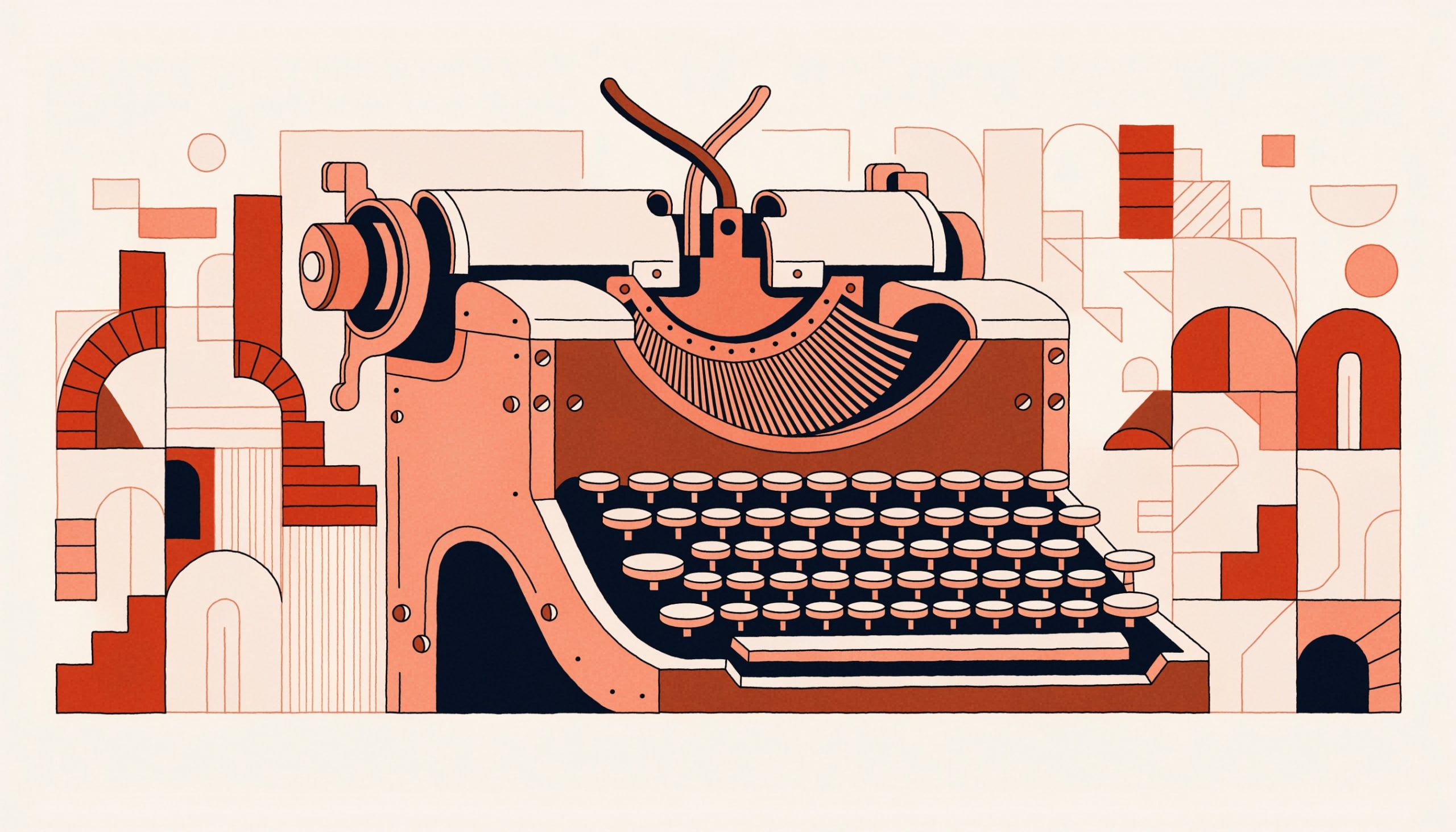
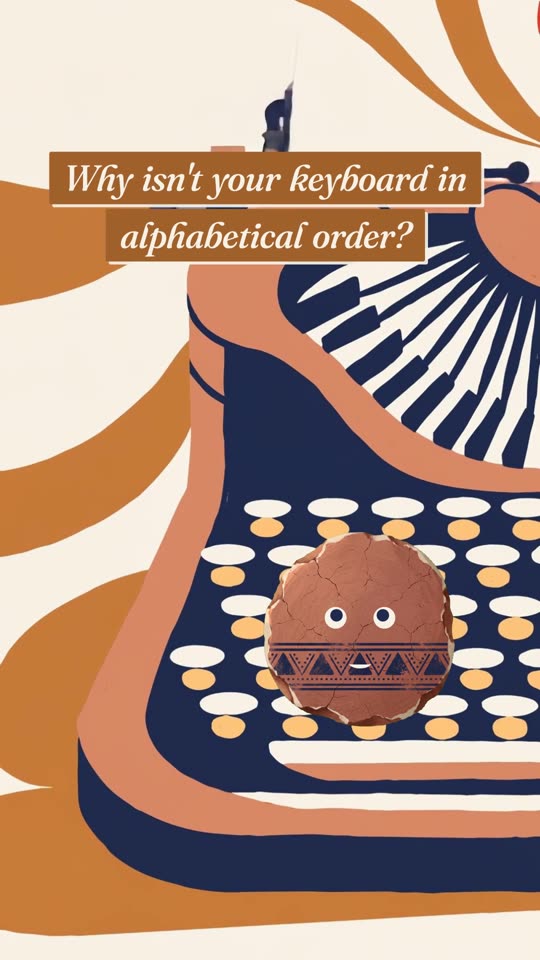
Why isn't the keyboard in alphabetical order?
Because the QWERTY layout was frozen in 1873 on the first commercial mechanical typewriters, where some letters had to be kept apart so that the type bars wouldn't jam. The technical need vanished with the type-bar machines, but the muscle memory of millions of fingers didn't.