
About this universe
Évélie is the universe of the obvious we'd never questioned. Here you find why we say "hello" on the phone, why mirrors flip left and right, or why a tennis stadium carries a pilot's name. Behind each everyday detail there often sleeps an old convention left in place by habit.
The whys of this universe
-
Why do you never see your own eyes move in a mirror?
Because your brain switches vision off during every fast eye movement: at the instant your eyes jump, you go briefly blind without ever noticing. Follow a finger slowly across your face, though, and your eyes glide instead of jumping, so the cut never comes and you catch them moving at last.
-
Why isn't the longest day the hottest?
Because heat builds up rather than settling in at once: as long as the Earth takes in more energy from the Sun than it gives back, its temperature keeps rising, and that surplus runs on for weeks past the solstice. The peak lands in late July at our latitudes. On the coast it comes later still, and the sea itself can go on warming into September.
-
Why do we clink glasses before drinking?
We clink to share a gesture of trust and togetherness, a social ritual far more than the anti-poison trick of legend. The rule that really survives everywhere isn't about the glass, it's about the gaze: in Germany, looking away mid-clink is said to cost seven years of bad luck.
-
Why is Roland-Garros named after a pilot?
Because the stadium built in 1928 for the Davis Cup was named after Roland Garros, a World War I aviator killed in 1918, at the insistence of his former classmate who had become president of the Stade Français sports club. The pilot never held a racket. What he did leave behind is the steel plates bolted to his propeller so he could fire a machine gun through it, an idea the Germans captured in 1915 and perfected.
-
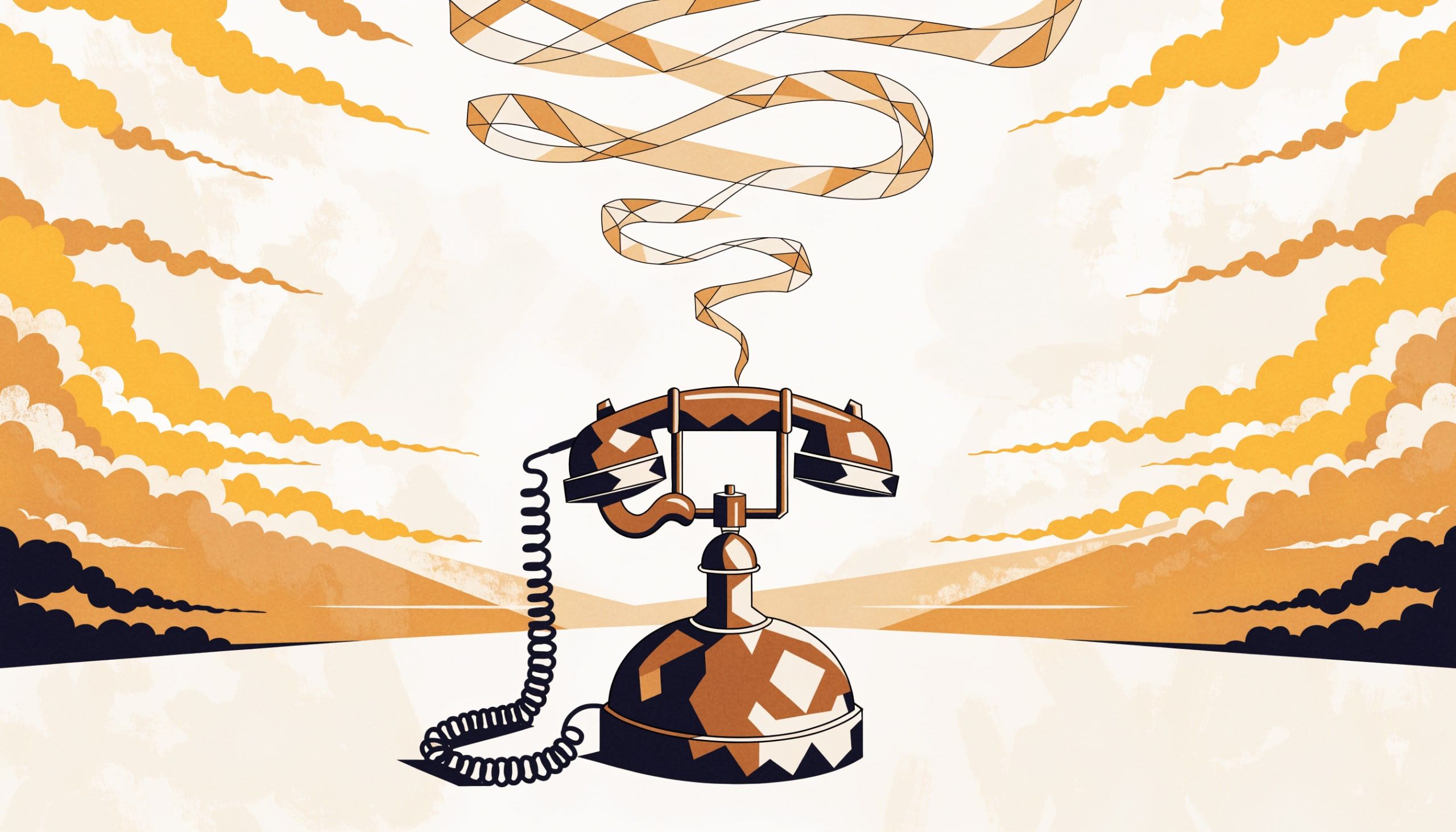
Why do we say "hello" when we pick up the phone?
Because Edison pushed "Hello" as the standard greeting, against the "Ahoy" Bell preferred. The word spread through the first telephone companies, and French turned it into "allô". Other languages went their own way, like the Japanese Moshi-moshi, first spoken to prove the caller was not a spirit.
-
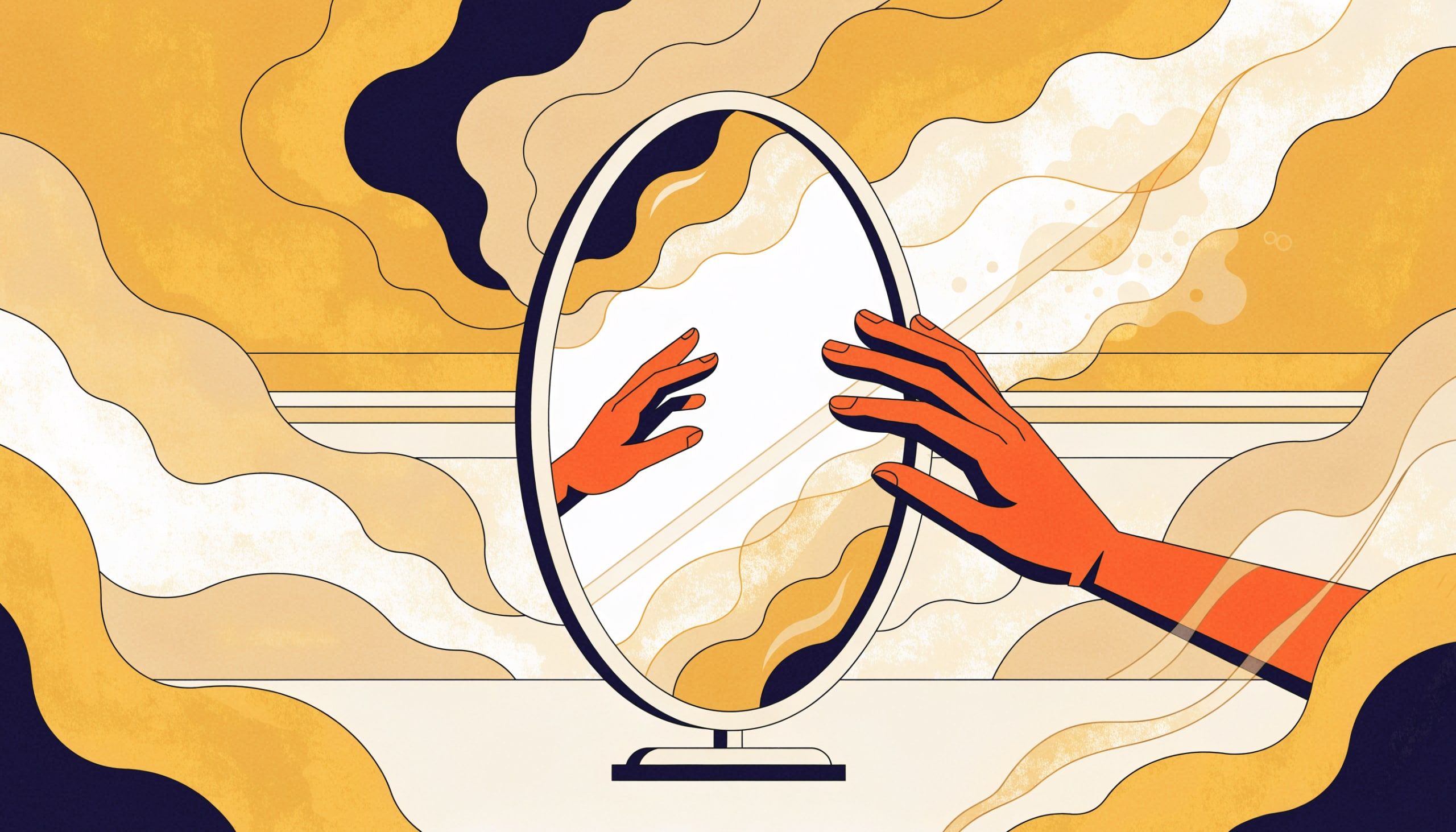
Why do mirrors flip left and right but not up and down?
Because they do neither. A mirror flips only one axis: the one running toward it. The left-right reversal is something our brain invents, which is why it moves: lie on your side in front of a mirror, and the reversal you see becomes head-to-foot instead.
-
Why do we play pranks on April 1st?
Nobody quite knows. The most popular theory points to a 16th-century calendar reform, but the French expression was already on the page in 1466, a century before the royal edict it is meant to explain.
-
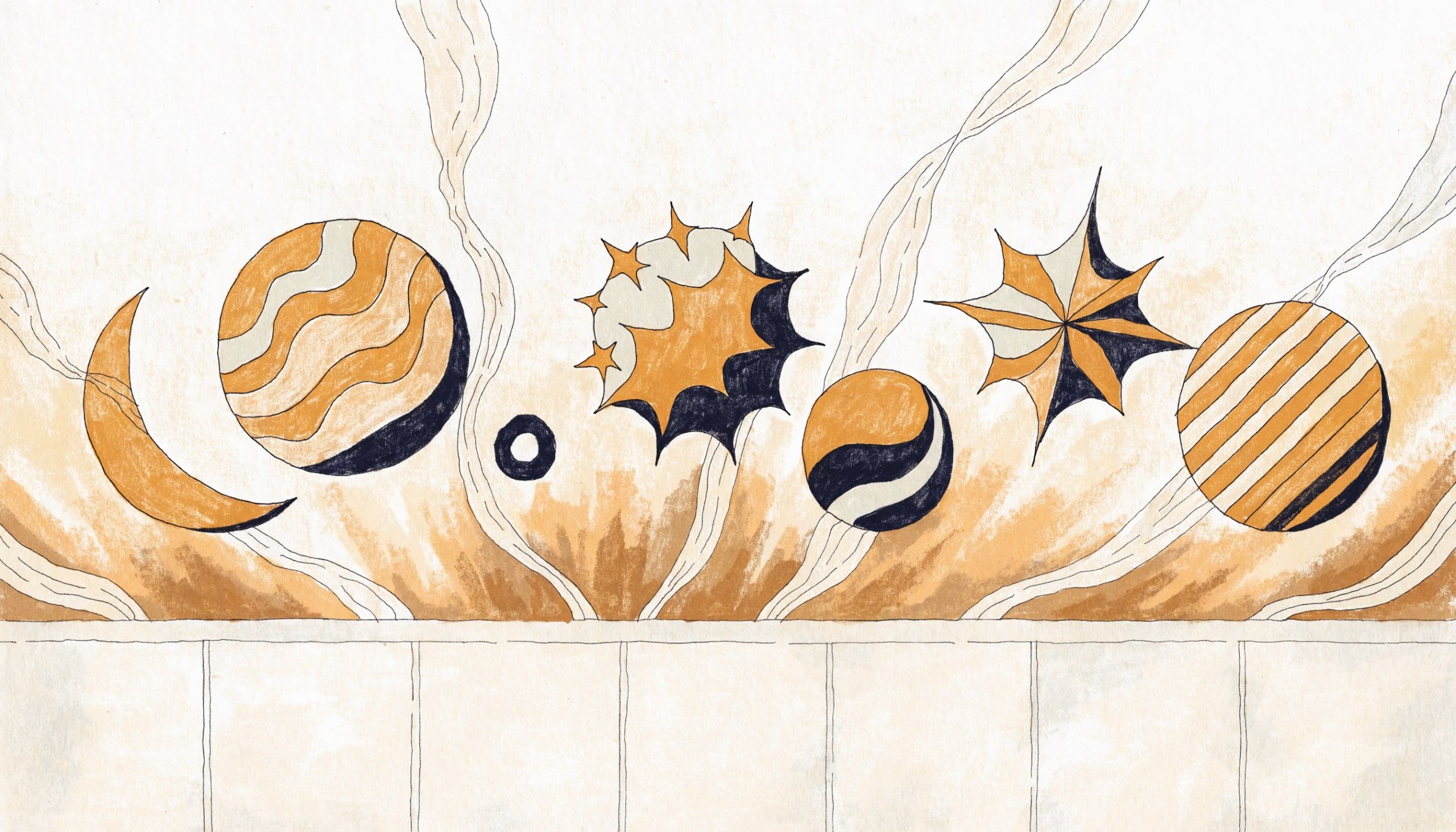
Why does the week have seven days?
Because the Babylonians counted seven moving objects in the sky, and that grouping survived the Roman Empire and the Abrahamic religions. Nothing in astronomy requires seven. Revolutionary France imposed a ten-day week in 1793, the Soviet Union a five-day one in 1929, and both went back to seven.