Sciences · Corps · Tech
← All universes

Lumera

Science · Body · Tech

  • human body
  • physics
  • technology
  • brain
  • chemistry

About this universe

Luméra is the universe of the body, the senses and machines. Here you understand why we get goosebumps, why your voice sounds strange recorded, and why a voice assistant struggles to understand. Many of these reflexes come from far away, inherited from furred ancestors.
The whys of this universe

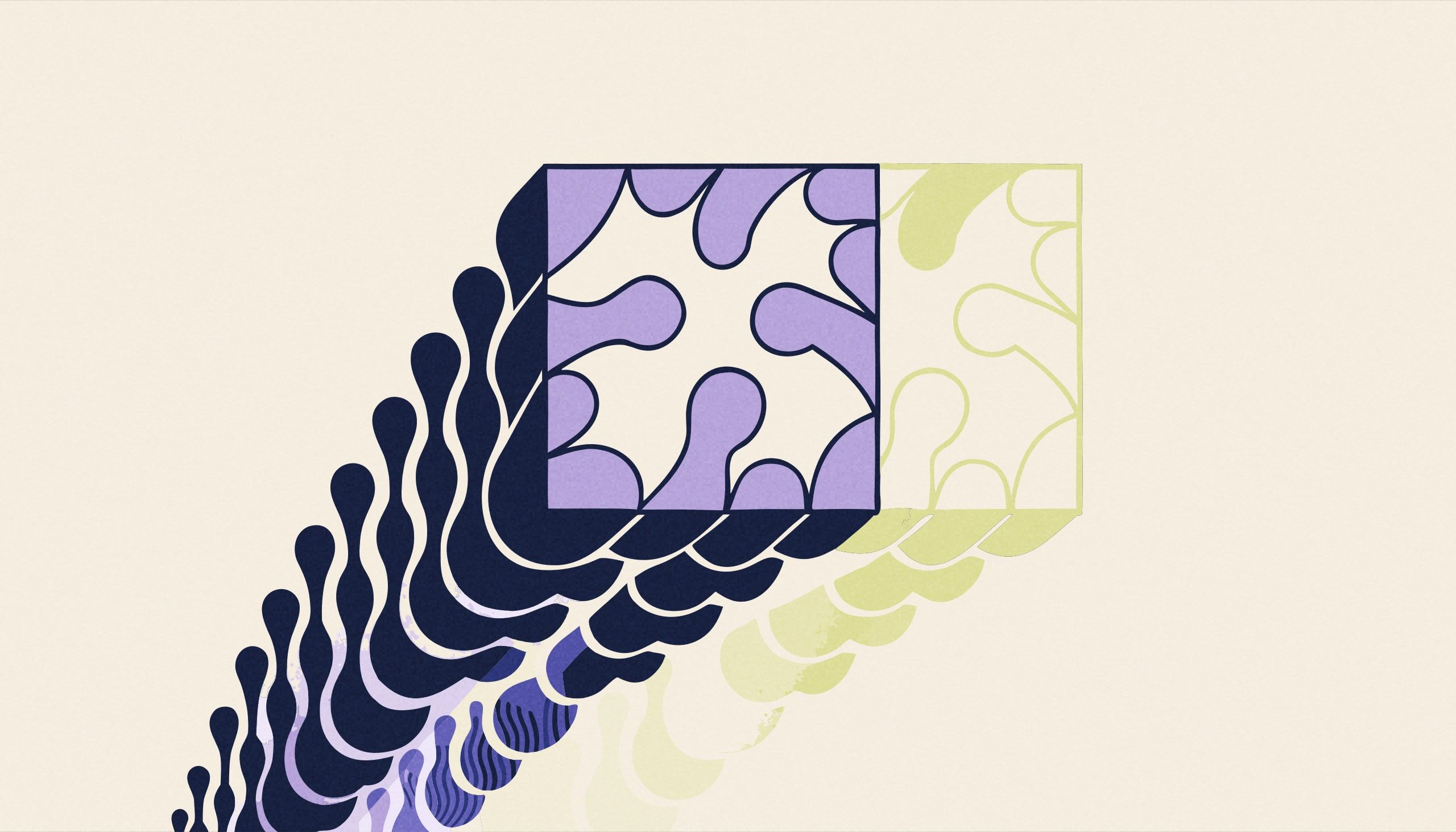
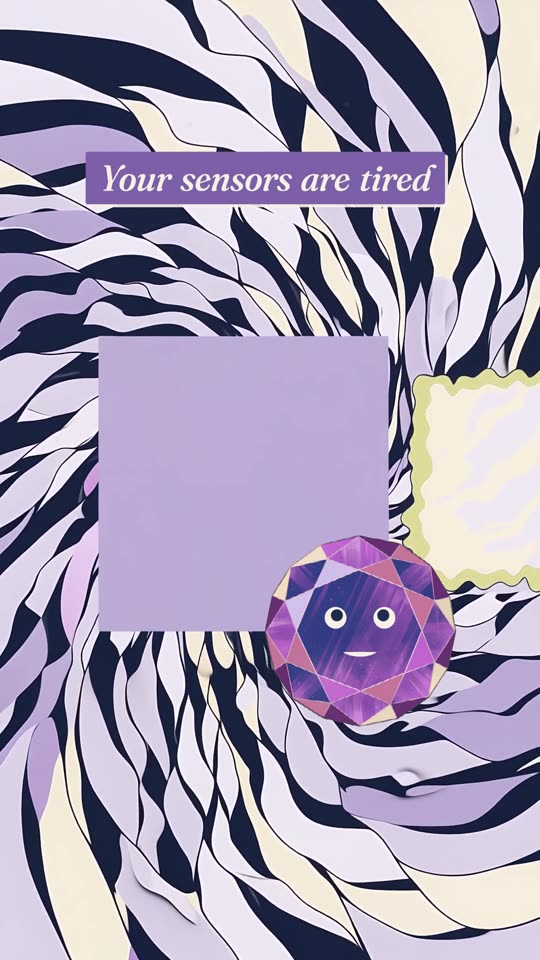
  1. A square with violet patterns and, offset to the right, its pale yellow double fading away like an after-image; a trail of navy and lilac droplets rises from the lower-left corner toward the two squares.

    Why do you see the opposite color after staring at one?

    Because staring at a colour tires out the eye's sensors that detect it, and the brain receives only the signal of the others, which make up the opposite shade. That's why the ghost follows your gaze: look left and it slides left, since it was never on the wall.

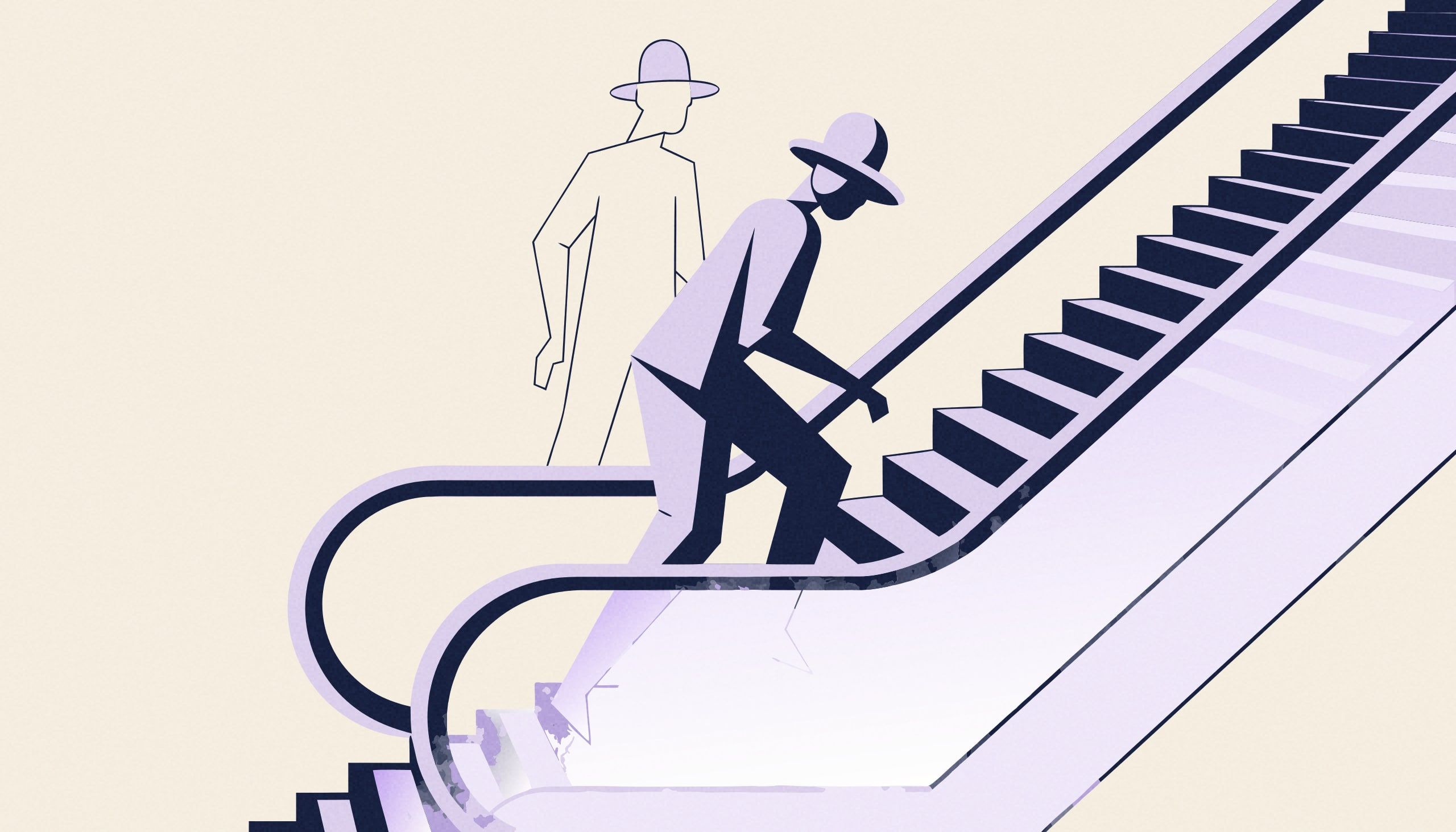
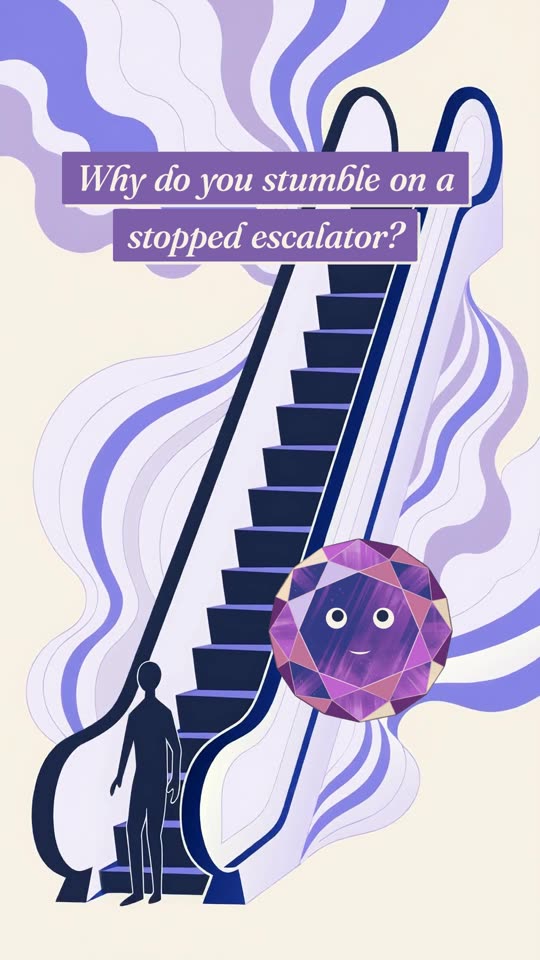
  2. A still escalator seen from the side, its steps and handrail drawn in flat lavender shapes, climbing diagonally across the frame.

    Why do you stumble on a stopped escalator?

    Because your brain has memorised the escalator's motion and pushes your body forward, even when the steps aren't moving. The same anticipation makes your leg slam down on a last stair that isn't there, and keeps the ground swaying after a long boat crossing.

  3. Lumera — Why does a voice assistant struggle to truly understand?

    Why does a voice assistant struggle to truly understand?

    Because understanding human language takes far more than recognizing words: it requires grasping context, intent, and implied meaning, something today's machines still can't do the way a brain does. Even a flawless memory wouldn't close the gap: the word hot means nothing to a system that has never felt cold.

  4. Eyes follow the words, but somewhere in the head, a voice speaks them. Not for everyone: a meaningful share of people read in complete silence, and they often only realise it when they discover others don't.

    Why do we hear an inner voice when we read?

    Because most brains automatically convert written text into inner speech: a leftover from learning to read aloud. But a meaningful share of the population hears nothing at all when they read; it's called anendophasia.

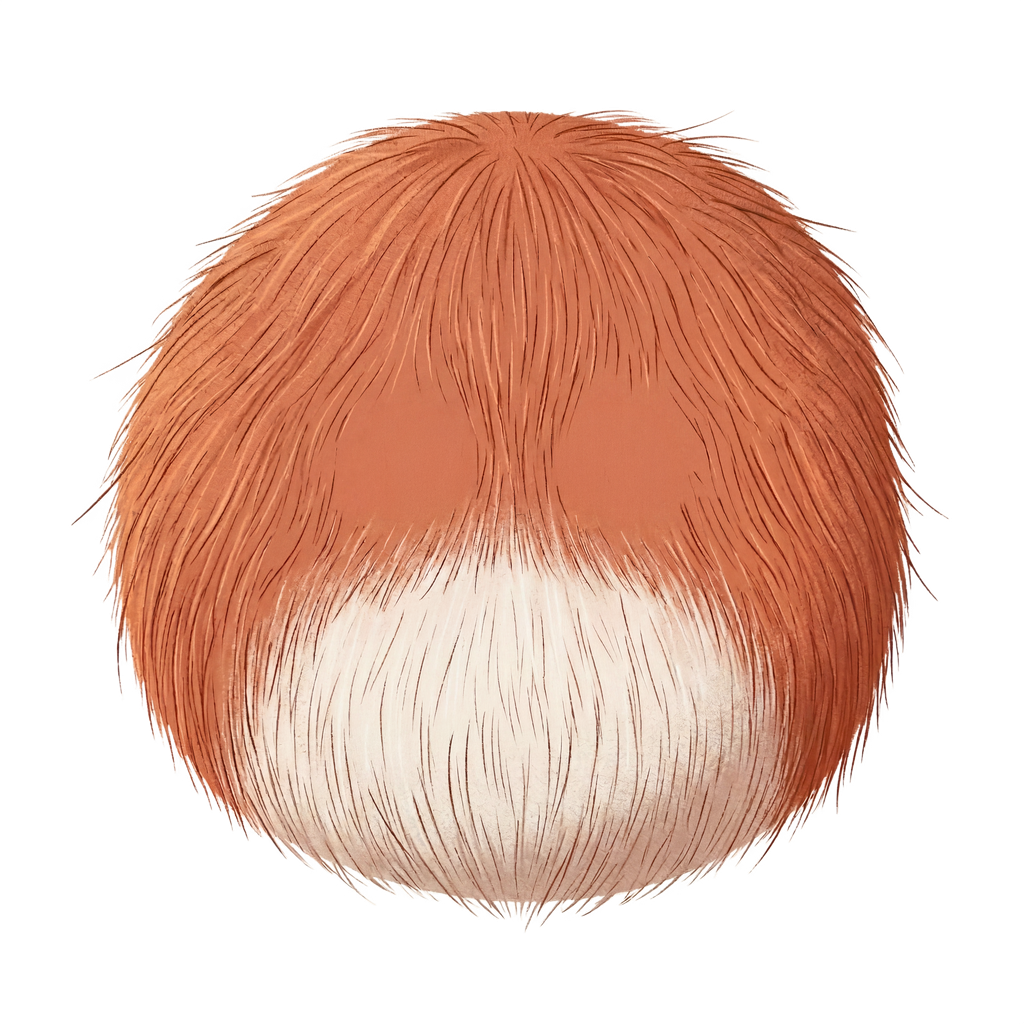
  5. A reflex left over from a coat we no longer have. In the cold or under strong feeling, every hair gets pulled upright.

    Why do we get goosebumps?

    Because we inherited a reflex built for a coat of fur we no longer have. Each hair is still hooked to a tiny muscle that yanks it upright in the cold, on skin that has nothing left to lift. Music pulls the same wire: half to two thirds of people get chills from certain pieces, dopamine included.

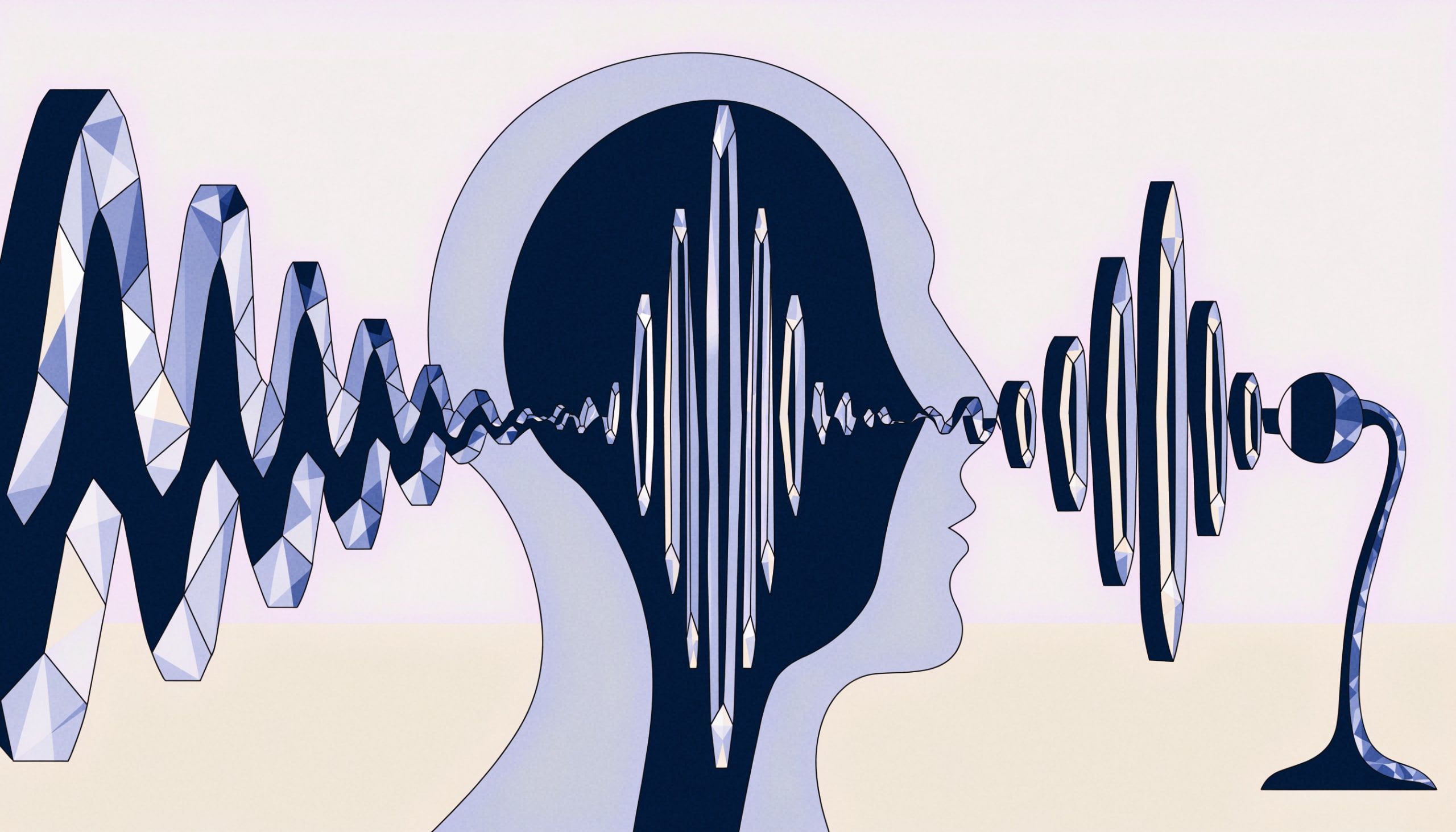
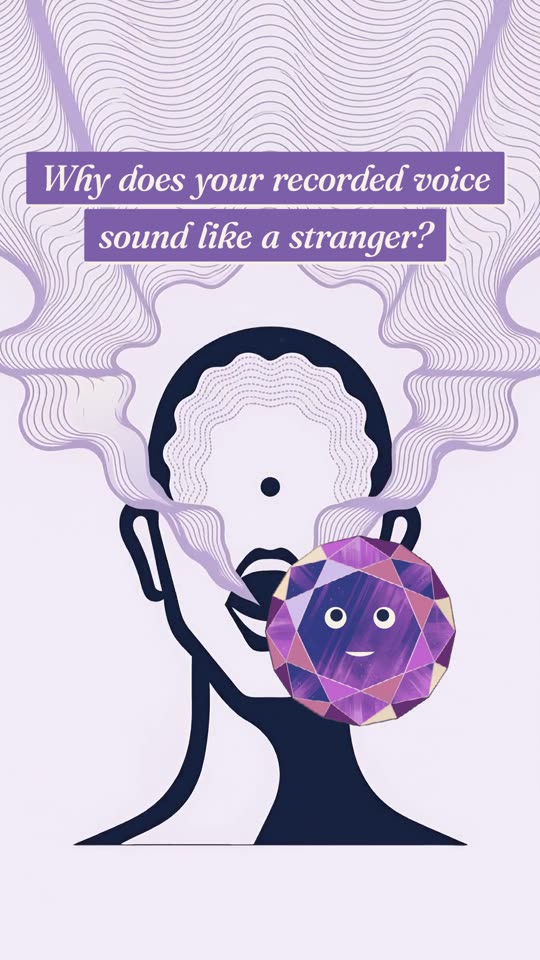
  6. When you speak, you hear two voices at once: one through the air, one vibrating through your skull. A recording only keeps the first.

    Why does your own voice sound strange when you hear it recorded?

    Because you hear yourself through two channels at once: air, and the bones of your skull, which add a low-frequency warmth nobody else hears. A recording keeps only the air-borne voice, the slimmer, brighter one others have always known. That discomfort has been studied since 1966, and it fades: the brain ends up accepting the new version as just as valid.

  7. Watching someone yawn lights up the same circuits in your brain: an old way for social animals to keep their arousal levels in step.

    Why is yawning contagious?

    Because watching someone yawn fires the same circuits in your brain as yawning yourself: likely an old way for social animals to keep their arousal levels in step. Small children are the exception, catching their first yawn only around four or five, when they start attributing mental states to others.

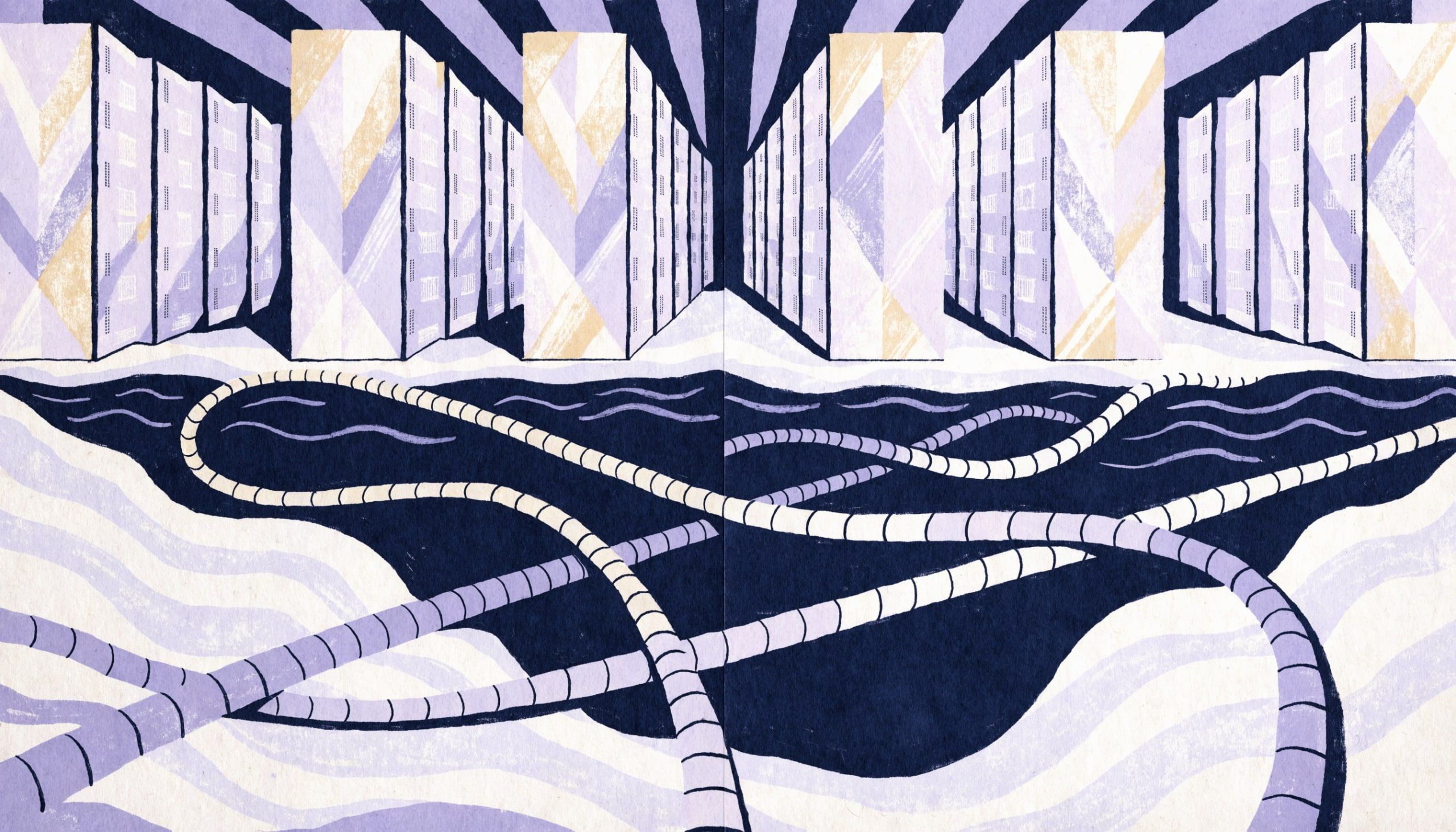
  8. Not in the sky, not in a cloud. In climate-controlled warehouses and on the ocean floor: 1.5 million km of cables and millions of servers.

    Why isn't the internet in the sky?

    In climate-controlled concrete warehouses and at the bottom of the oceans. Not in the sky, not in a cloud: in over 1.5 million kilometres of submarine cables and a few million servers stacked on shelves. Those cables break 150 to 200 times a year, and each time a ship sails out to haul them back to the surface.