
Espace · Cosmos
← All universes

Cosmira

Space · Cosmos

  • planets
  • stars
  • galaxies
  • black holes
  • exploration

About this universe

Cosmira is the night sky that never ends, where every question is measured in light-years. We look at Jupiter, black holes, and comets with the kind of humility that keeps you curious.

The whys of this universe

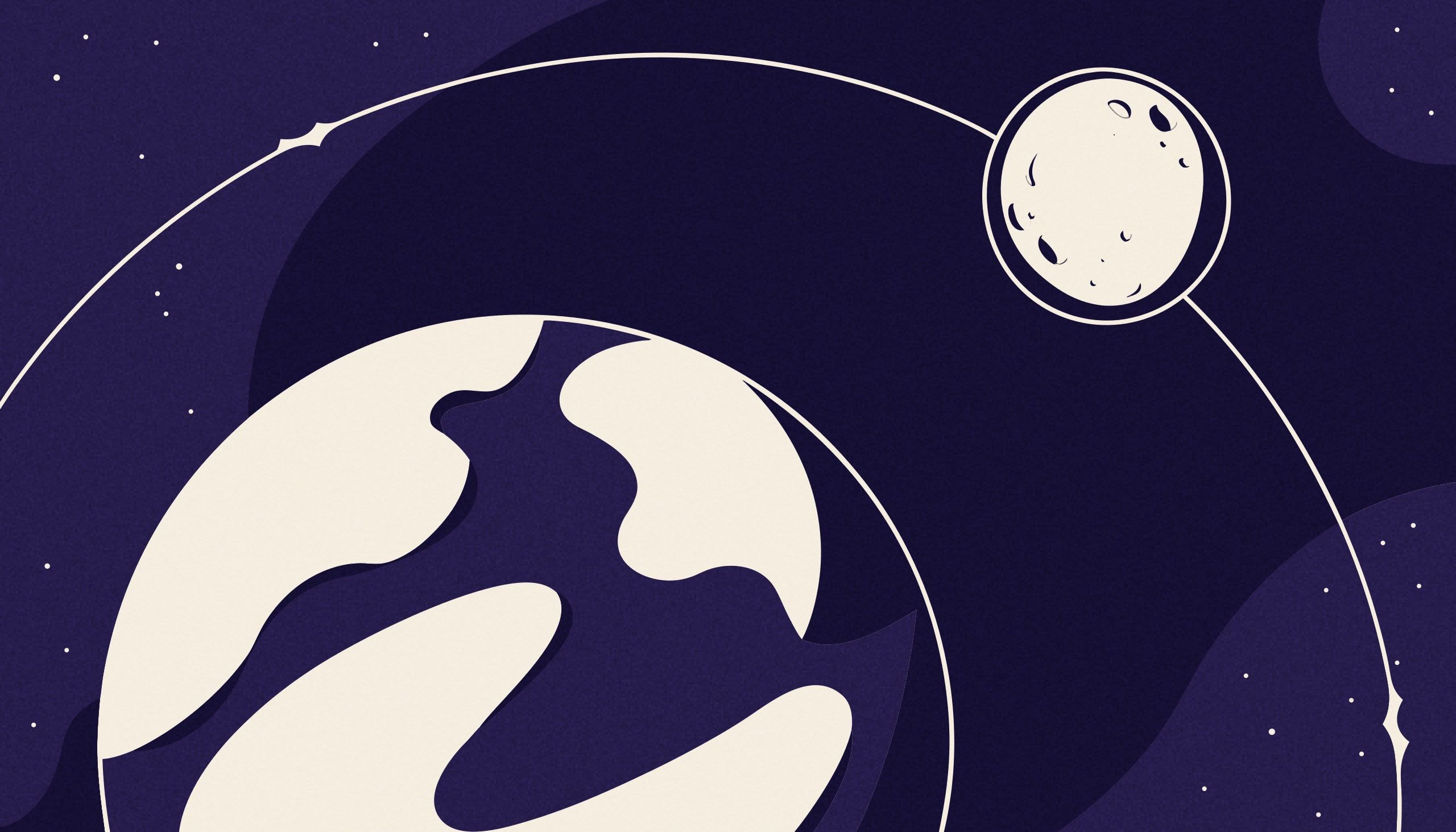
  1. Past a certain size, gravity crushes every bump back toward the centre. A sphere is what a massive body always ends up becoming.

    Why are planets round?

    Past a certain size, a body's own gravity becomes strong enough to flatten every peak and fill every hollow toward its centre: a sphere is simply the shape a massive object ends up with after falling on itself long enough.

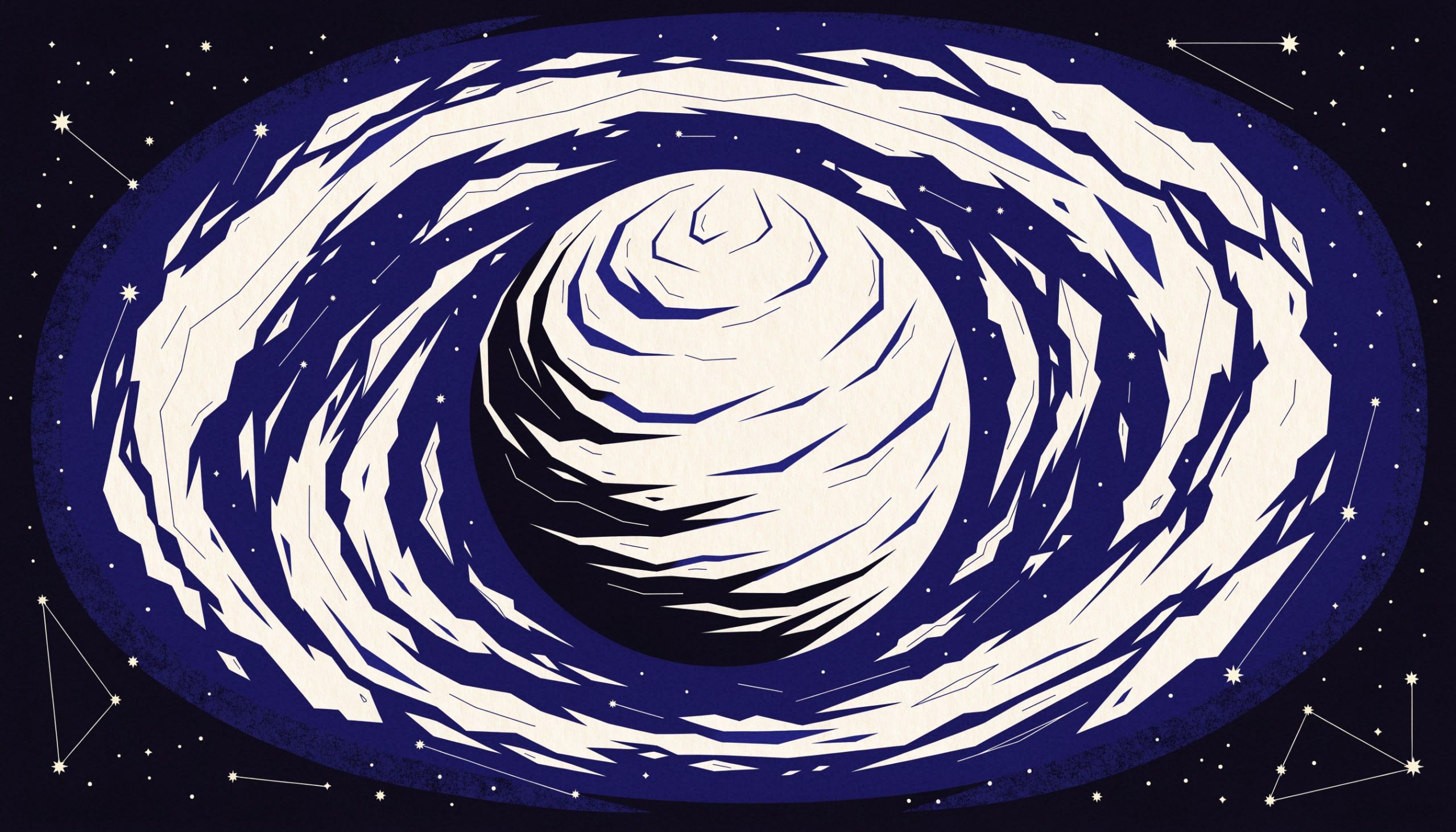
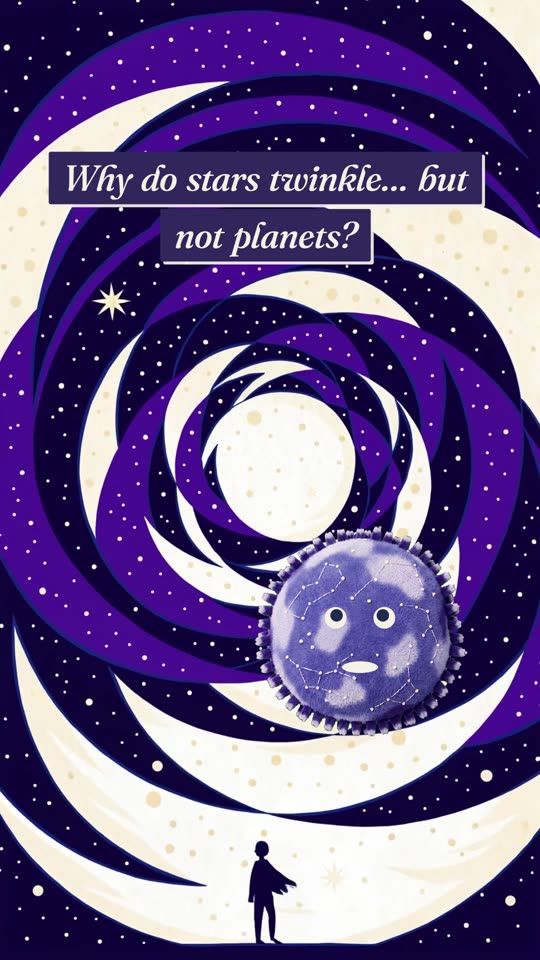
  2. Their light crosses kilometres of restless air before reaching the eye. Planets, being closer, don't twinkle.

    Why do stars twinkle?

    Because their light crosses kilometres of restless air before reaching your eye, and the atmosphere makes that tiny pinpoint dance. Planets, being closer, don't twinkle.

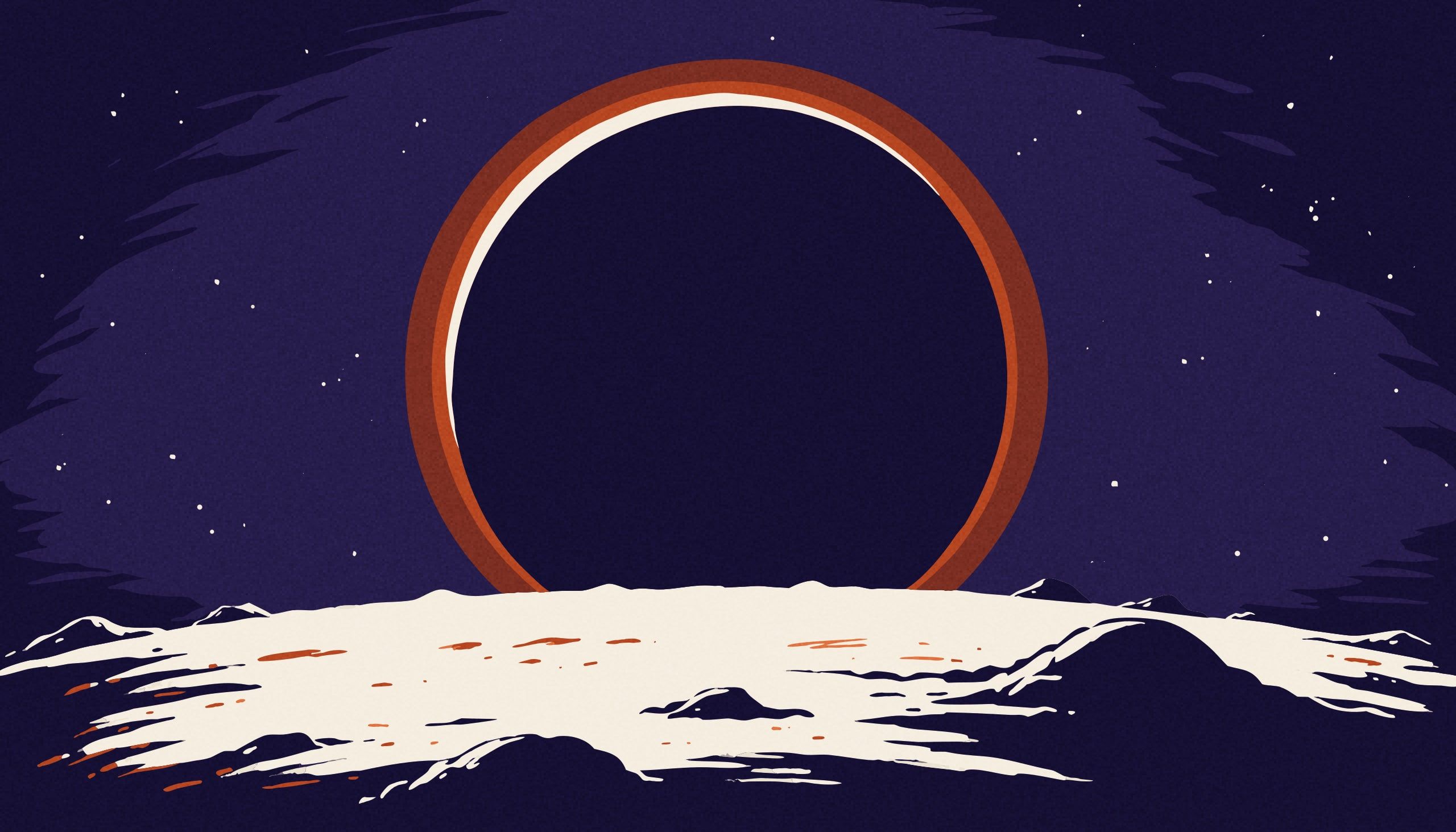
  3. When the sun sinks, its light has to push through far more atmosphere to reach us. The blue scatters away on the way; the red survives. The sky doesn't change: the path lengthens.

    Why are sunsets red?

    Because the light from a sun near the horizon has to pass through a far thicker layer of atmosphere than at noon. The blue is scattered out of the line of sight by the molecules of the air; the red passes through almost untouched. And what reaches you is what's left.

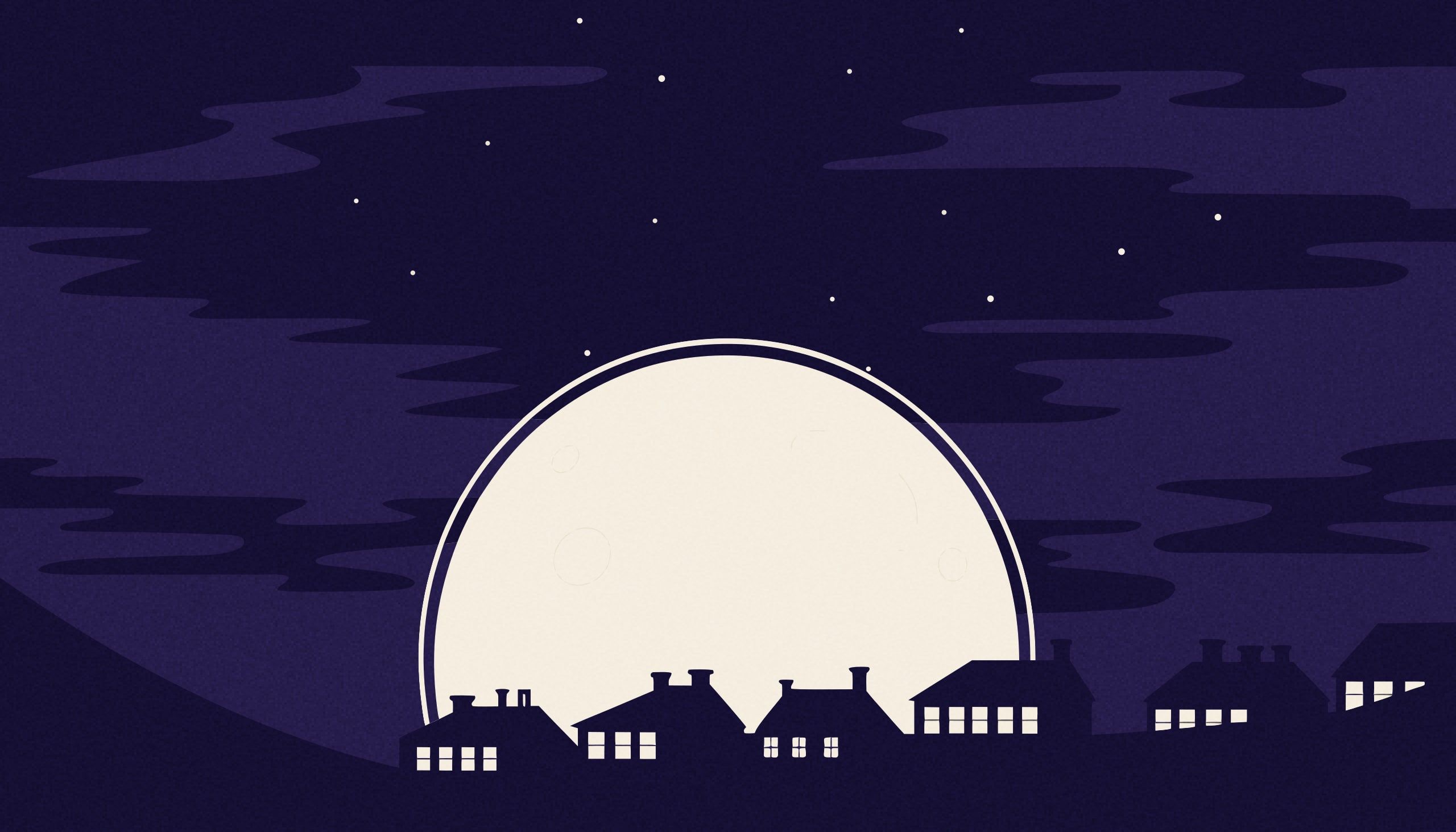
  4. Olbers' paradox: the universe has an age, light from the most distant stars hasn't had time to reach us, and the light that does is stretched into the invisible.

    Why is the sky dark at night?

    Because the universe has an age: light from the farthest stars hasn't had time to reach us yet. And the light that does arrive has been stretched so far by cosmic expansion that it has slipped out of the visible range.