Mer · Océans
← All universes

Corallis

Seas · Oceans

  • ocean
  • fish
  • waves
  • depths
  • diving

About this universe

Corallis is the salt expanse that breathes twice a day. Here you learn why there are tides, why the sea is salty, and why waves always arrive parallel to the shore. Beneath that water runs almost everything you read online, too, through cables laid on the floor.
The whys of this universe

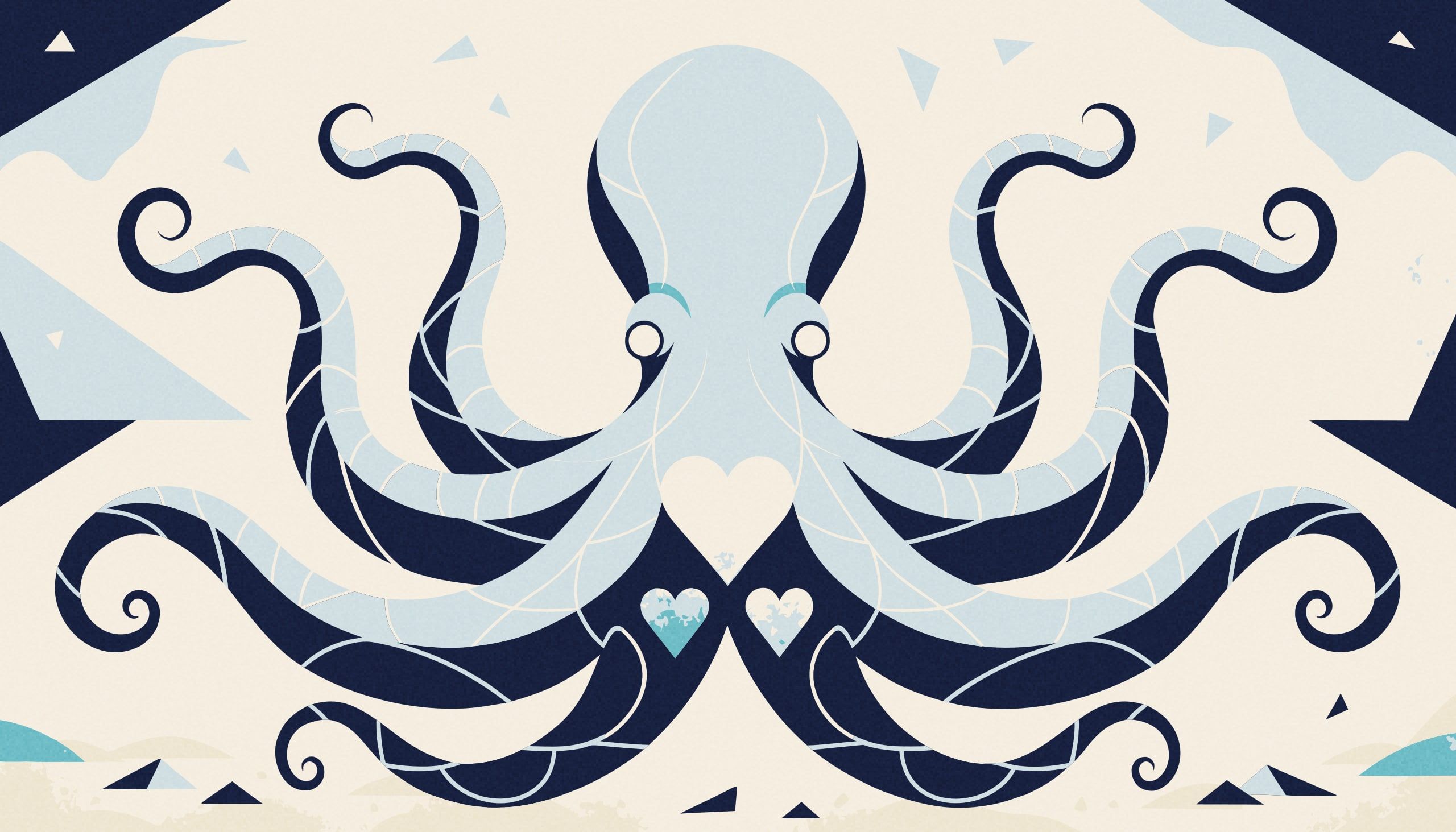
  1. Three hearts and copper instead of iron: the octopus is built for cold water, and its blue blood flows under the sea.

    Why do octopuses have three hearts and blue blood?

    Because its blood carries oxygen with copper rather than iron the way ours does, which turns it blue and makes it efficient in cold water. But that system struggles to push the blood along: it takes two hearts to feed the gills, and a third for the rest of the body. That third one stops beating whenever the animal swims, which is why an octopus usually crawls instead.

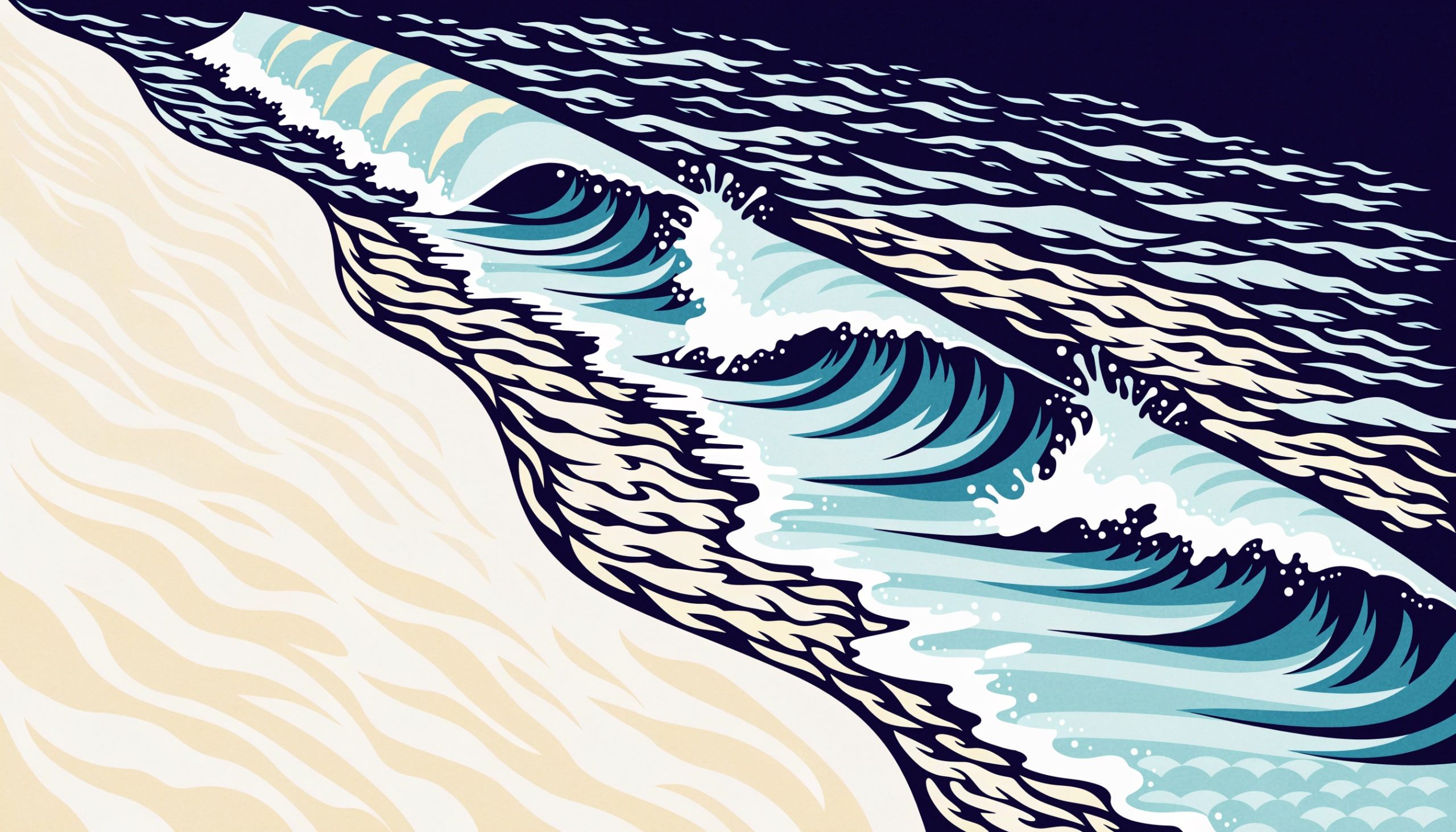
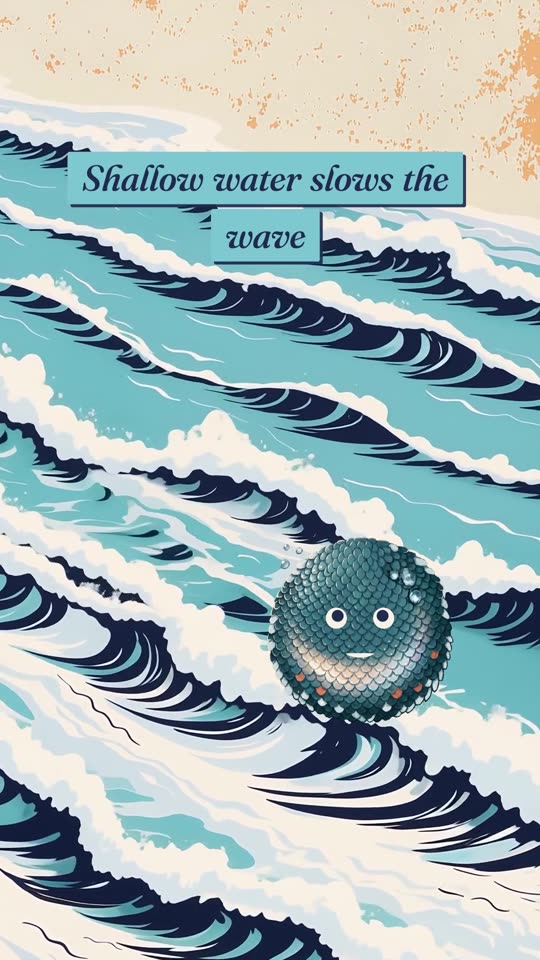
  2. As a wave moves into shallow water it slows down. Arriving at an angle, one end brakes before the other, the wave pivots and ends up facing the beach.

    Why do waves always arrive parallel to the shore?

    Because a wave arriving at an angle slows down unevenly, one end braking in the shallows before the other, so the whole line pivots until it faces the beach. Headlands and reefs bend that rule, concentrating the waves instead, which is exactly what makes the good surf spots.

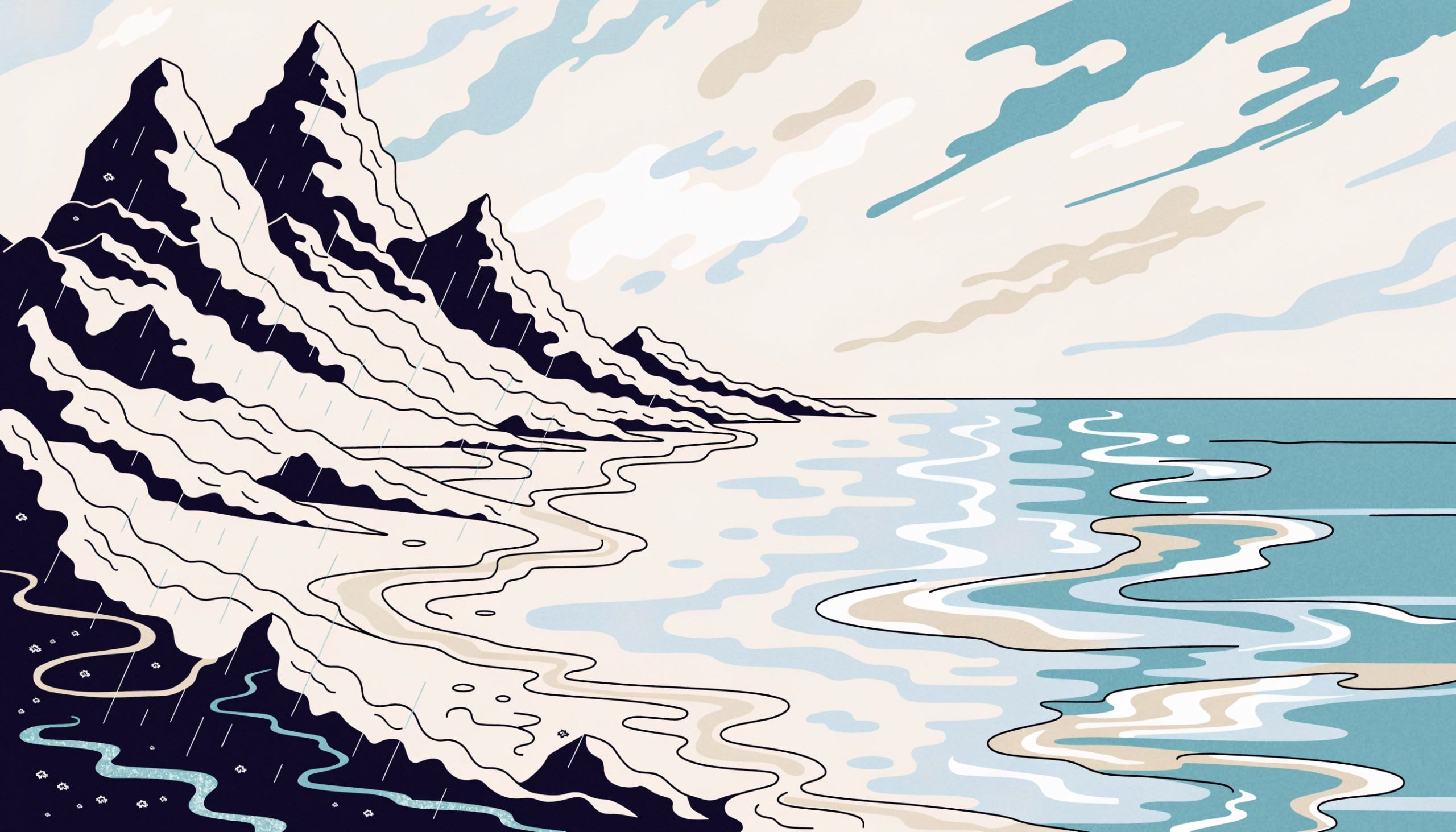
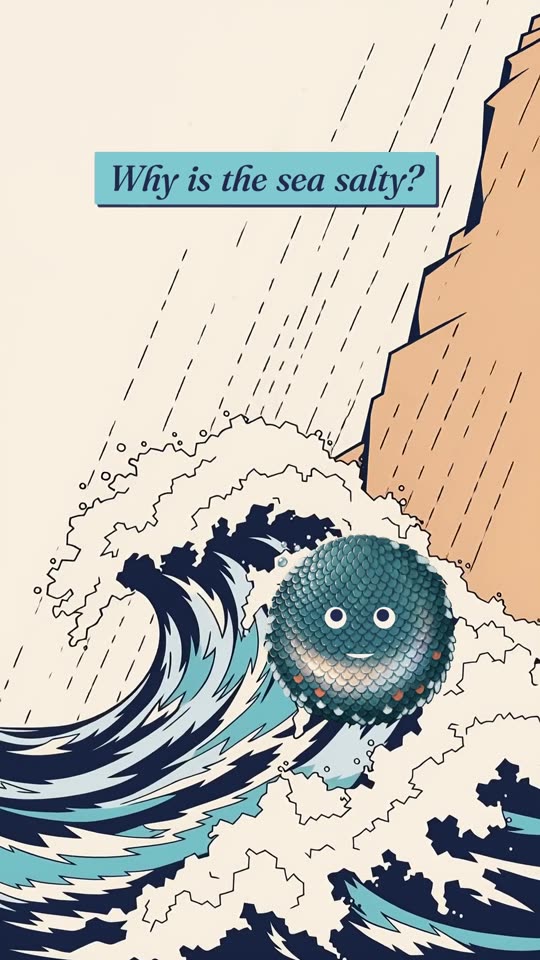
  3. Rain dissolves the rocks, rivers carry the salt down to the ocean, the water evaporates, and the salt stays behind.

    Why is the sea salty?

    Because rain has been dissolving rock for billions of years: rivers carry the salt to the ocean, the Sun lifts the water back into the sky, and the salt is what stays behind. Rivers aren't the whole story, though: chlorine, the sea's most abundant ion, is rare in rock and comes mostly from volcanoes.

  4. The Moon pulls the sea harder on one side of Earth than the other. The ocean stretches into two bulges that the planet rotates through each day.

    Why are there tides?

    Because the Moon pulls on the sea harder on one side of Earth than the other: the ocean stretches into two bulges that the planet rotates through each day. The Sun pulls too, but the Moon, 400 times smaller, lifts the oceans about twice as effectively.